Chengdu Side Quest: Exploring an abandoned, underground mall

This past Spring, I came across a post on Reddit about an abandoned, five-story underground mall in Chengdu, China. The pictures were an interesting – albeit incredibly eerie – time capsule and the history of the place was absolutely fascinating. Built originally as a Cold War bomb shelter in 1960, it was later converted into a shopping mall and underground network known as Diyi Dado that opened in the early 1990s. Further lore details the illegal and illicit activity that eventually wound up there, sort of like an underground version of Hong Kong’s infamous Kowloon Walled City.

As I was out-and-about one day, I came across one of its entrances. My eyes lit up.

It wasn’t too far from my hotel in the general vicinity of Tianfu Square. The first entrance I saw was completely boarded up. As I walked further down the street, I came across another … and another. With no plans and all the time in the world, I vowed to find the one open entrance to this mythical place.
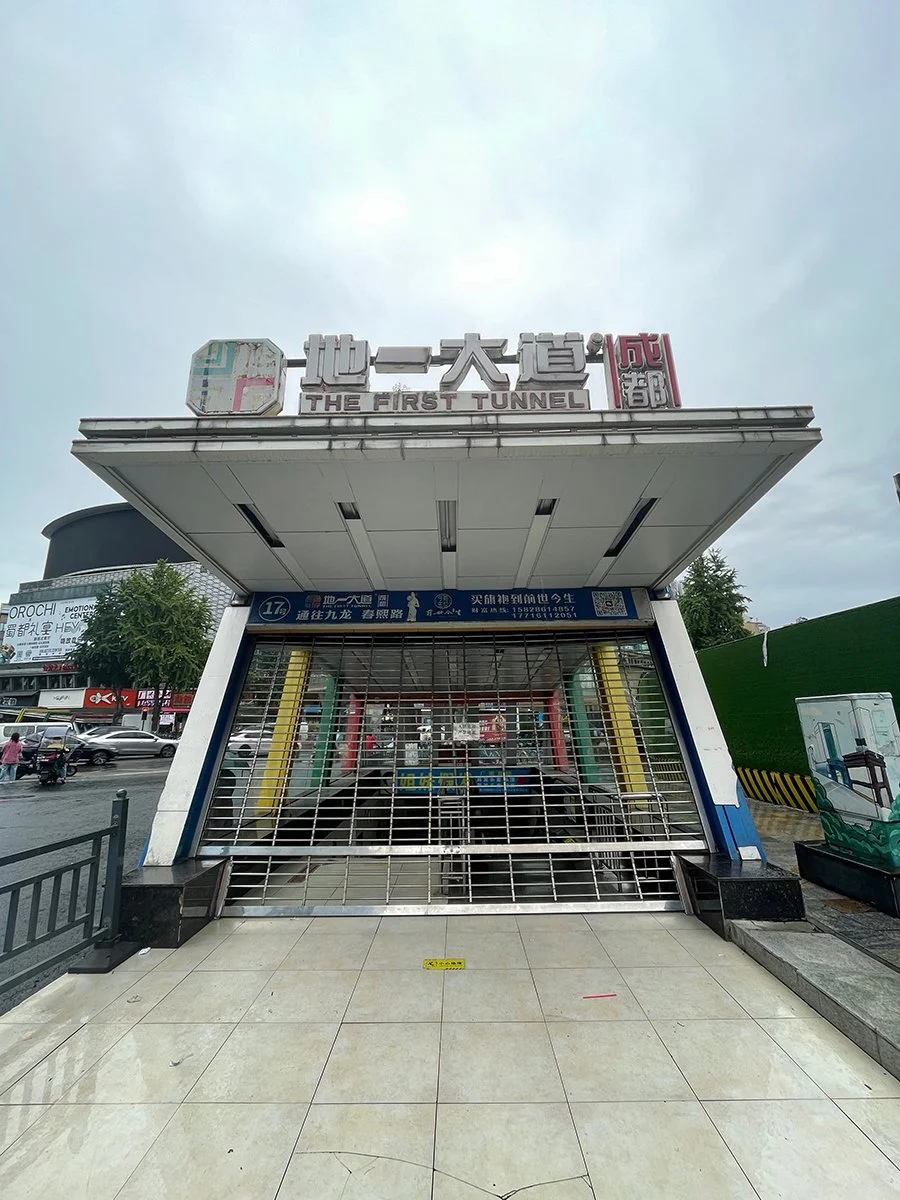
Closed-off entrance to the abandoned underground mall in downtown Chengdu, China (©2026 Deborah Clague).

And so I did.
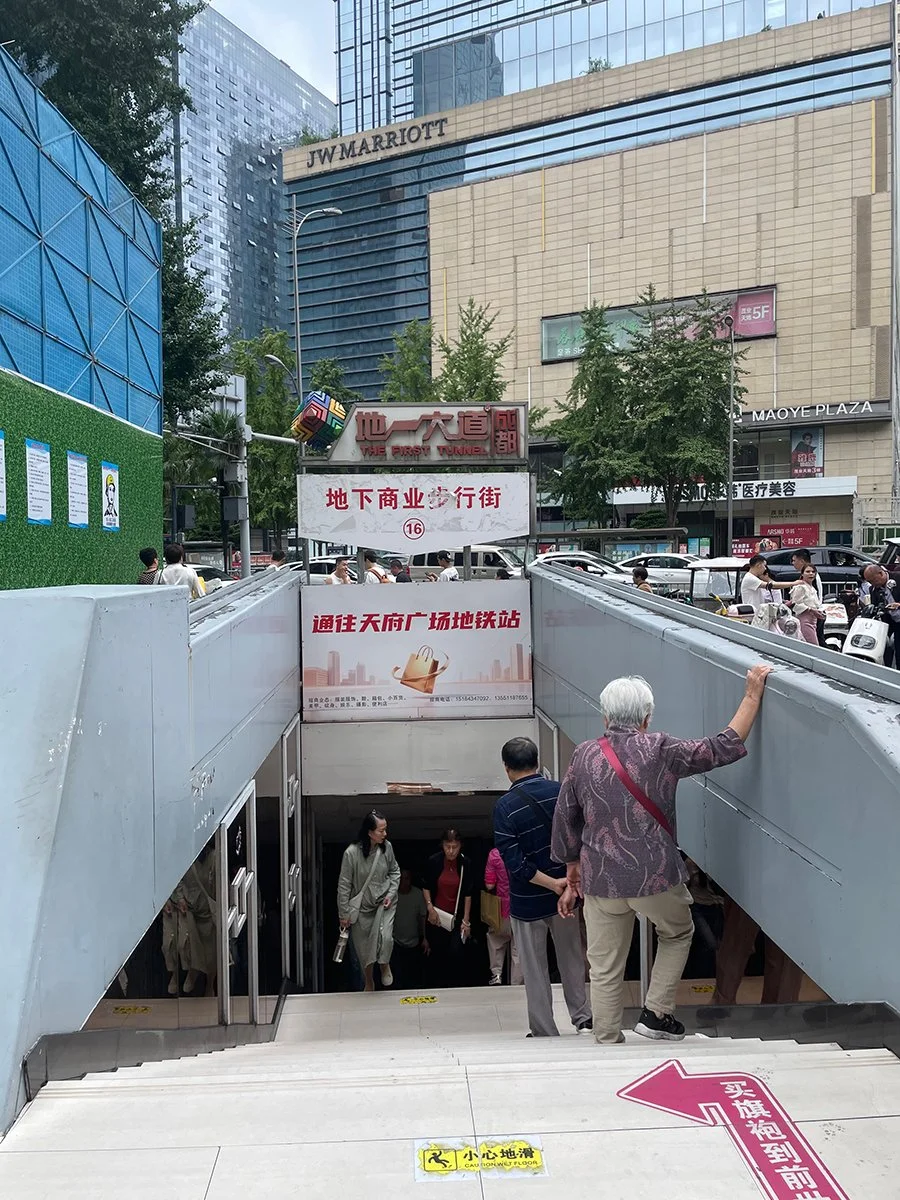
Currently the only publicly-accessible entrance to the abandoned underground mall in downtown Chengdu, China (©2026 Deborah Clague).

Upon entering the mall, there are a few shops still open. These include a food stall, multiple nail salons, phone accessories, clothing store and one shop specializing in military gear. Continuing to walk further beyond this, all storefronts – dozens and dozens of them – are completely closed up, some with dusty furniture and merchandise still inside. All resembling an early 90s liminal space fever dream.

Diyi Dado’s area is absolutely massive at 90,000+ sq.m. The most curious thing is that there was absolutely no barrier to me entering this abandoned mall, despite it resembling an OH+S nightmare. Some people looked at me, perhaps questioning why a middle-aged white woman was wandering through, but no one stopped me and I decided to explore. I eventually went down two levels. The lighting started to get darker and the smell of mildew started to get stronger. I regretted not wearing a face mask and fear going down deeper into this mall will one day be my cancer origin story. But in the moment, I just sought the adventure.

This was actually one of the most fascinating things I experienced during my recent trip to China and offered such an unsanitized (figuratively and literally) glimpse into the development of China that no museum could match. With how quickly everything evolves in this country, I anticipate it won’t exist in the near future. I’m actually shocked it’s still around today.

There are very, very few images and background on this abandoned mall on the internet. Here it is, in all its glory, as of September 2026.
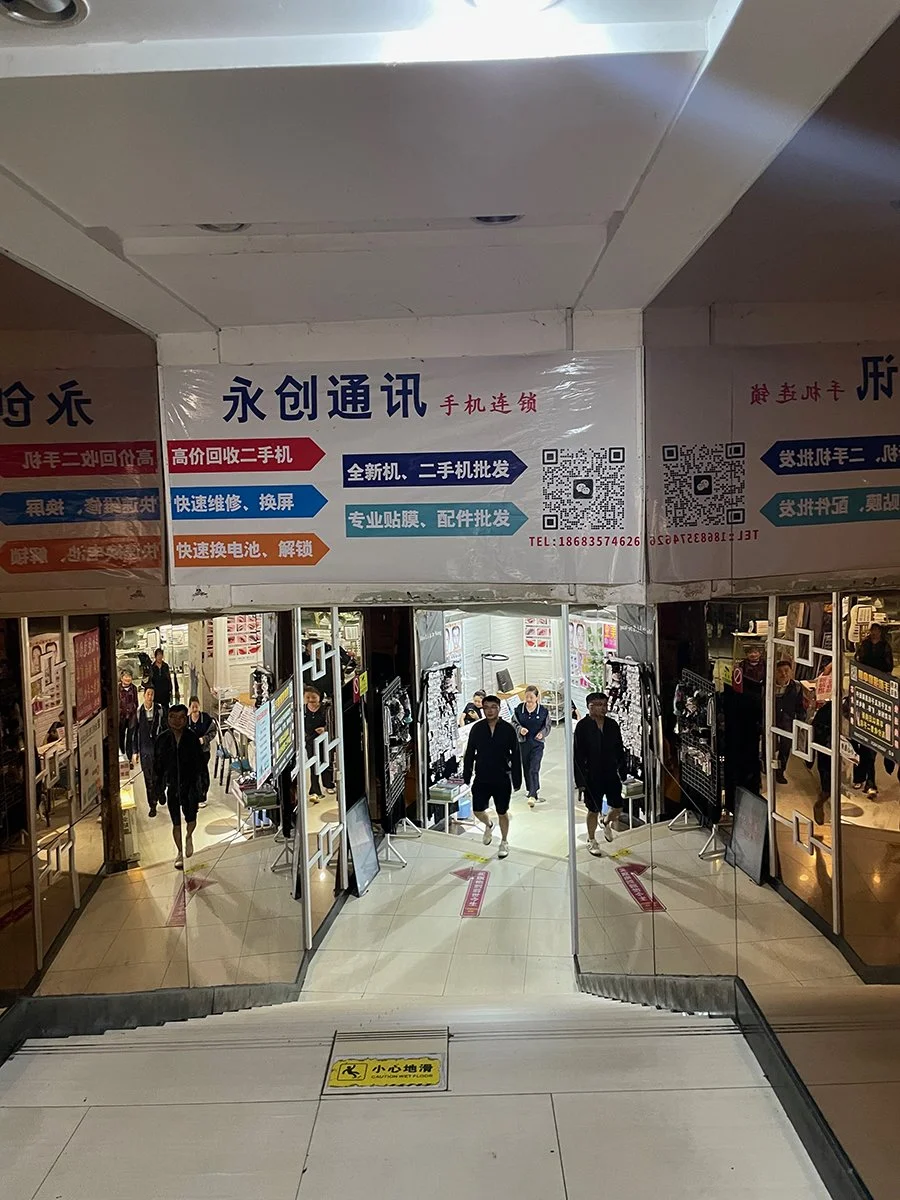
The abandoned, underground mall in Chengdu, China (©Deborah Clague).
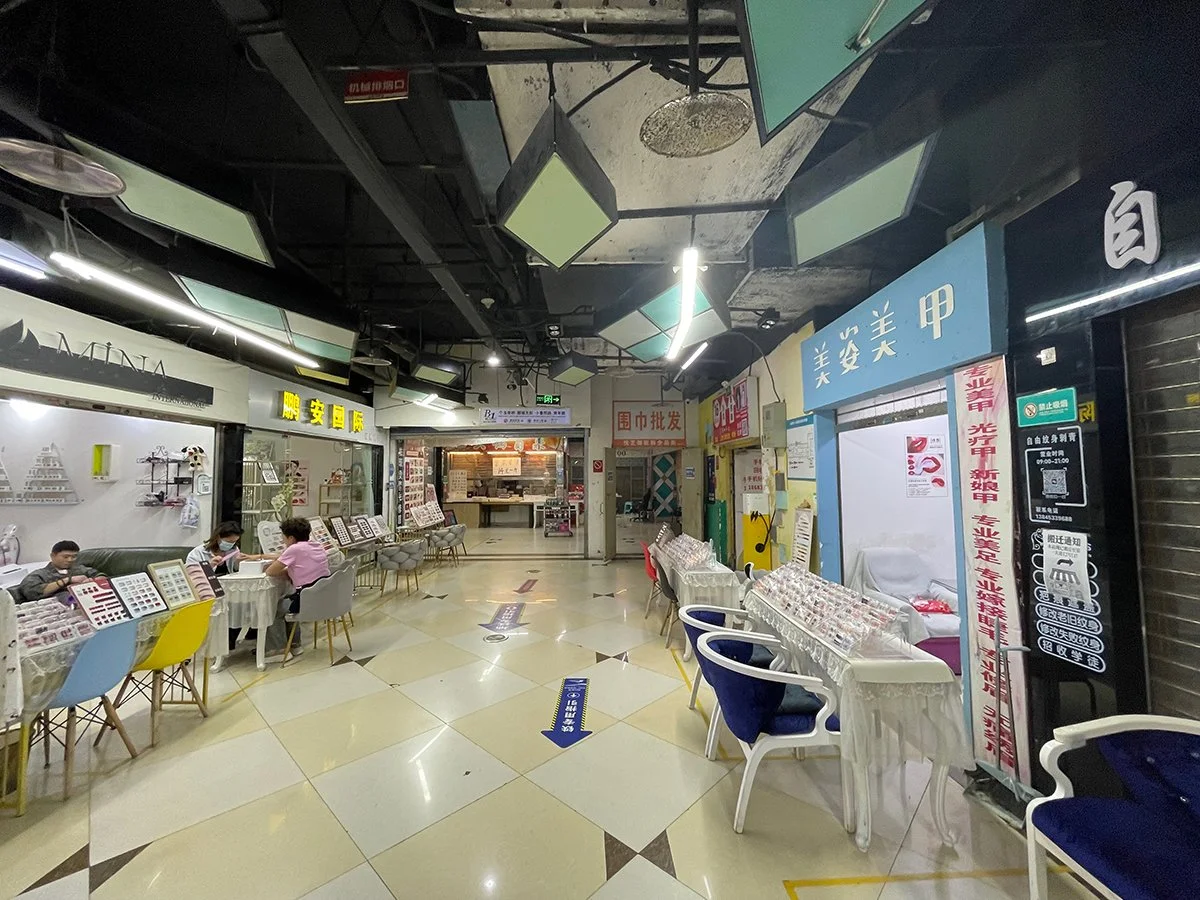
Entrance shops at the abandoned, underground mall in Chengdu, China (©Deborah Clague). These shops are all that is left of this as of September 2026.
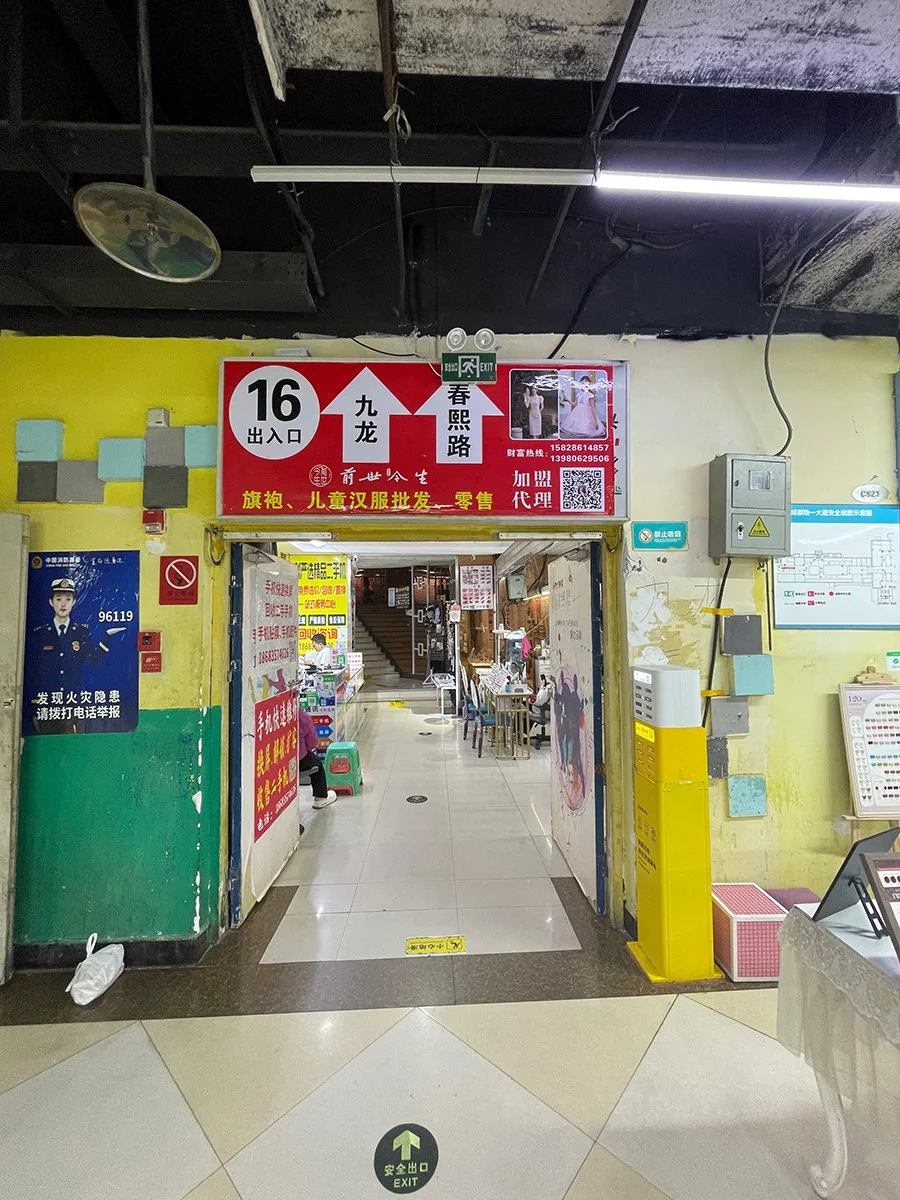
Entrance shops at the abandoned, underground mall in Chengdu, China (©Deborah Clague).
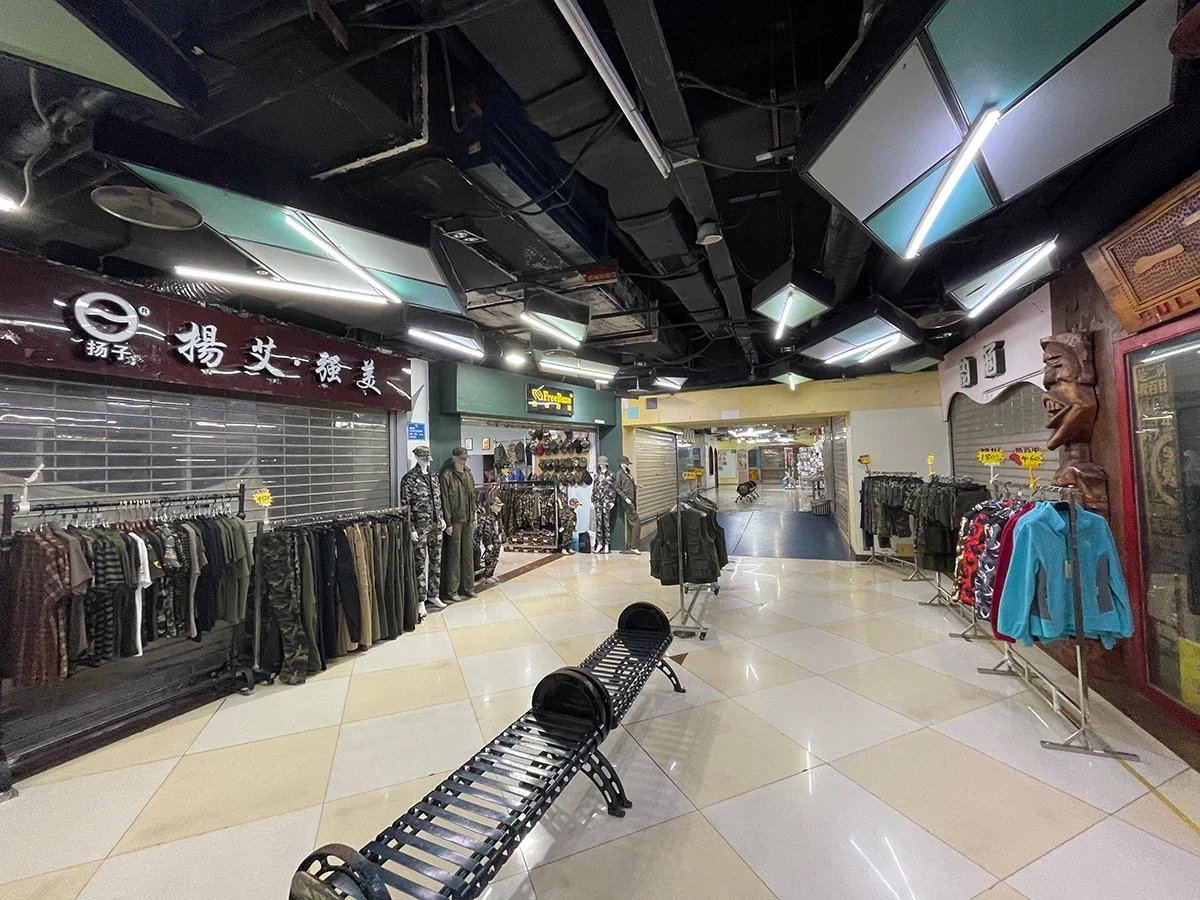
The abandoned, underground mall in Chengdu, China (©Deborah Clague).
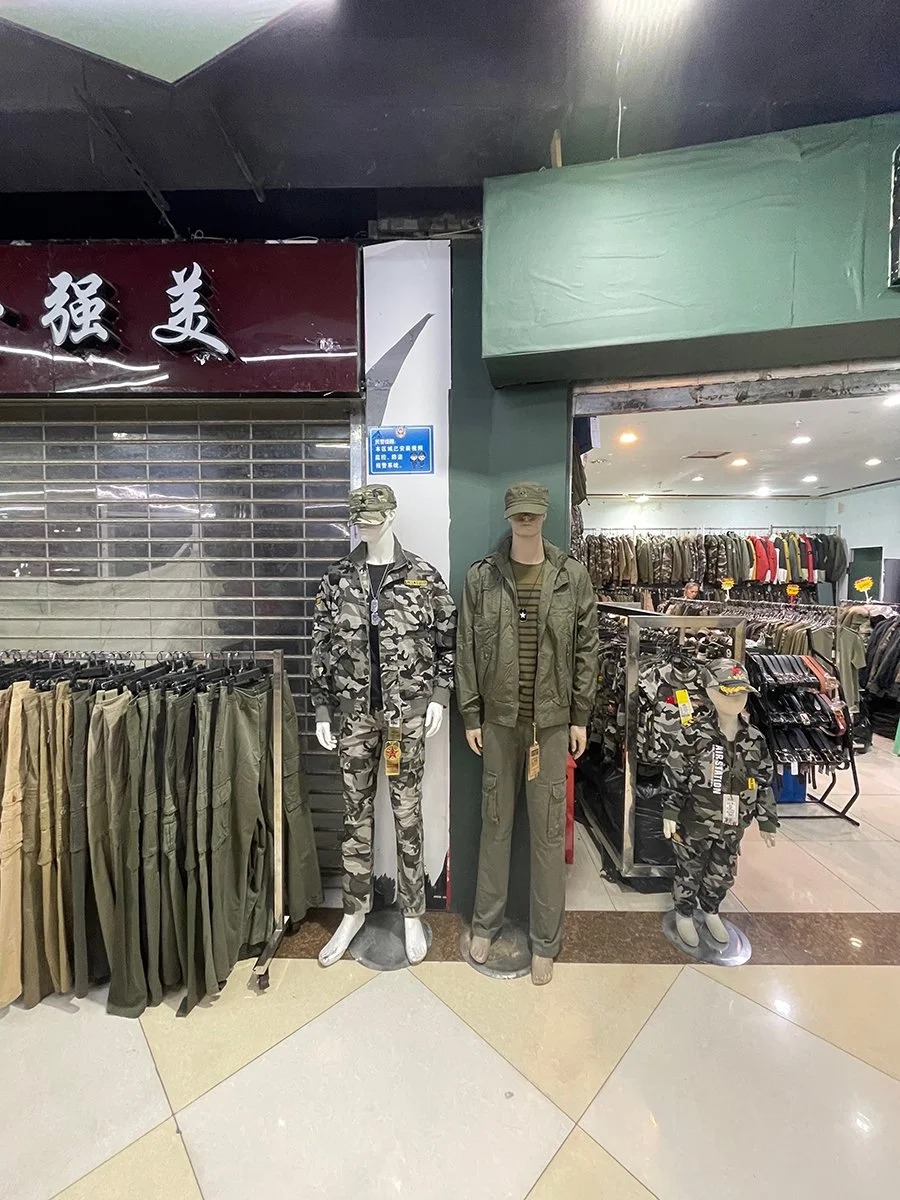
Entrance shops at the abandoned, underground mall in Chengdu, China (©Deborah Clague). This shop seemed to specialize in army fatigues and camouflage gear.
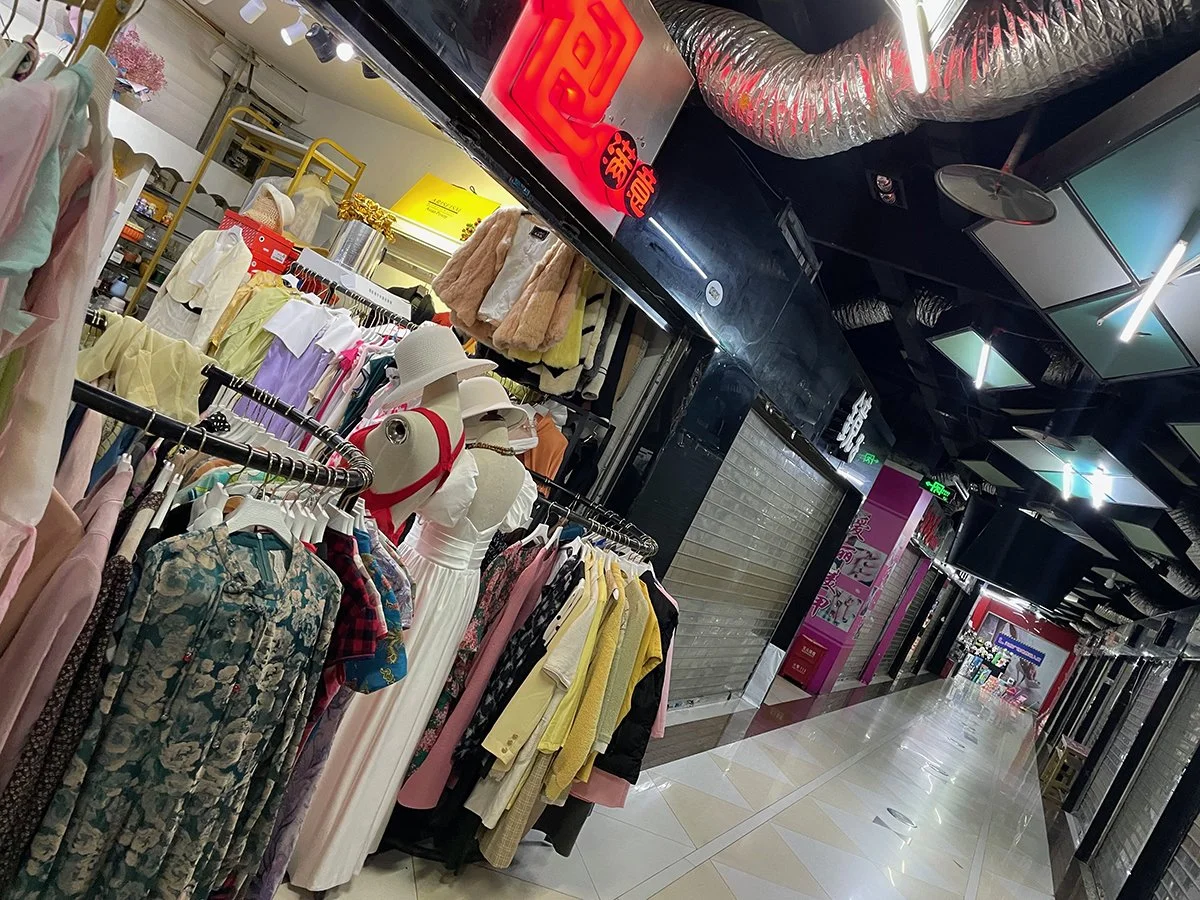
Entrance shops at the abandoned, underground mall in Chengdu, China (©Deborah Clague).
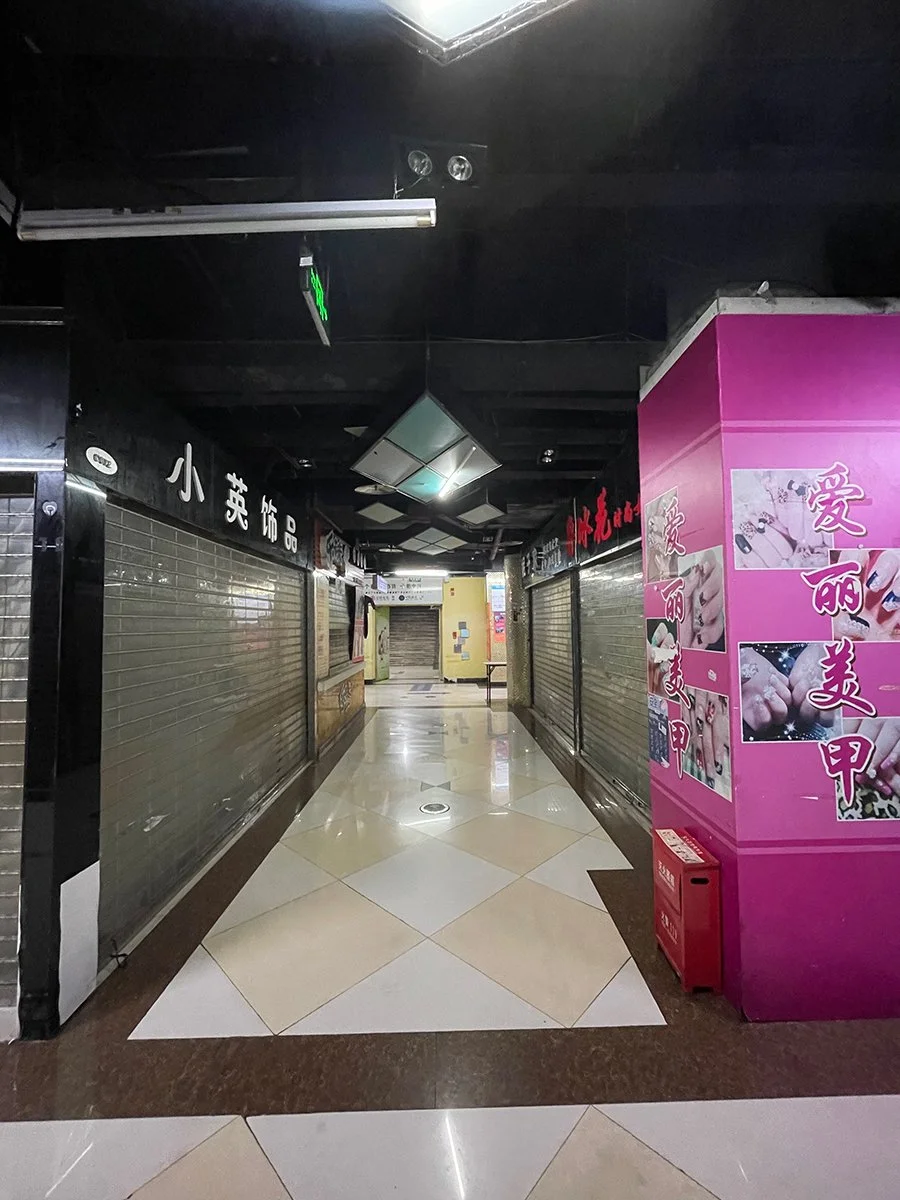
The abandoned, underground mall in Chengdu, China (©Deborah Clague).
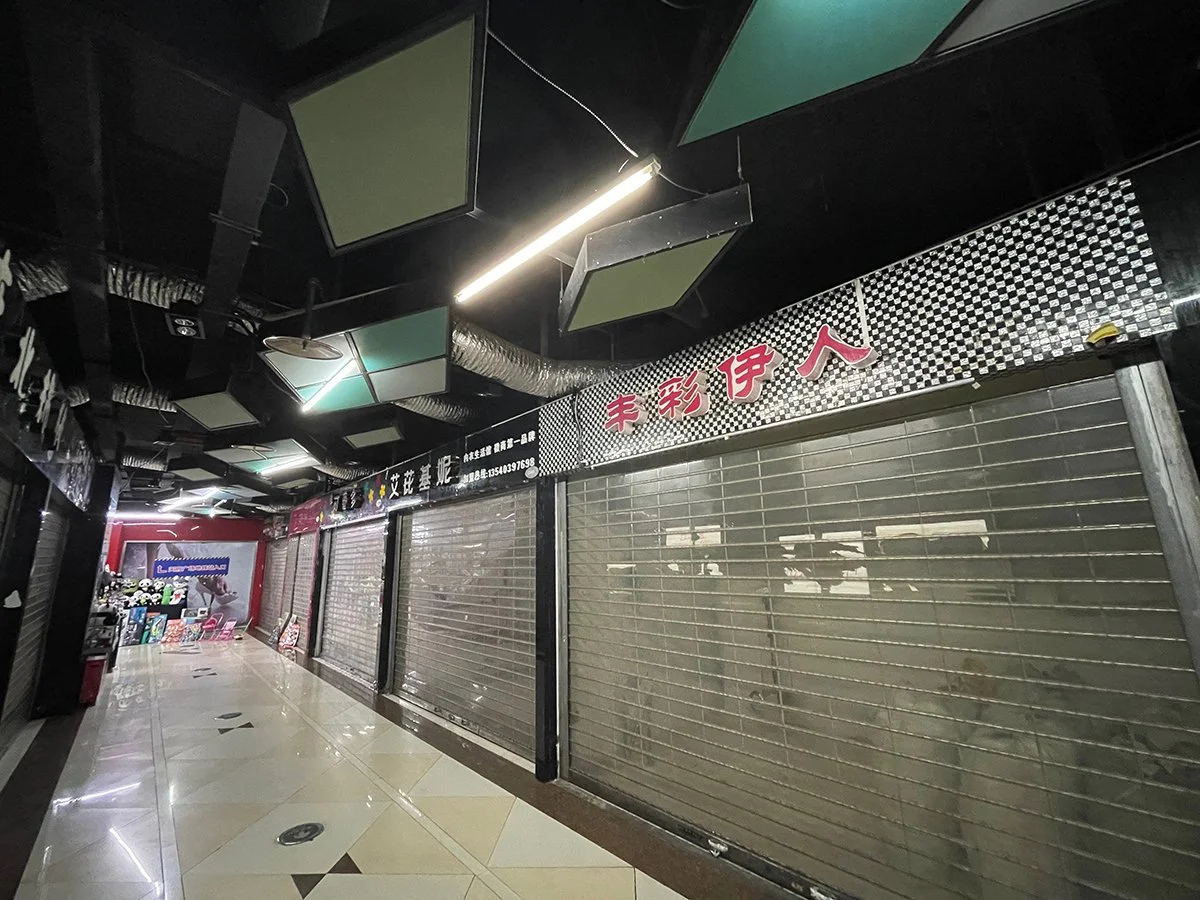
The abandoned, underground mall in Chengdu, China (©Deborah Clague).
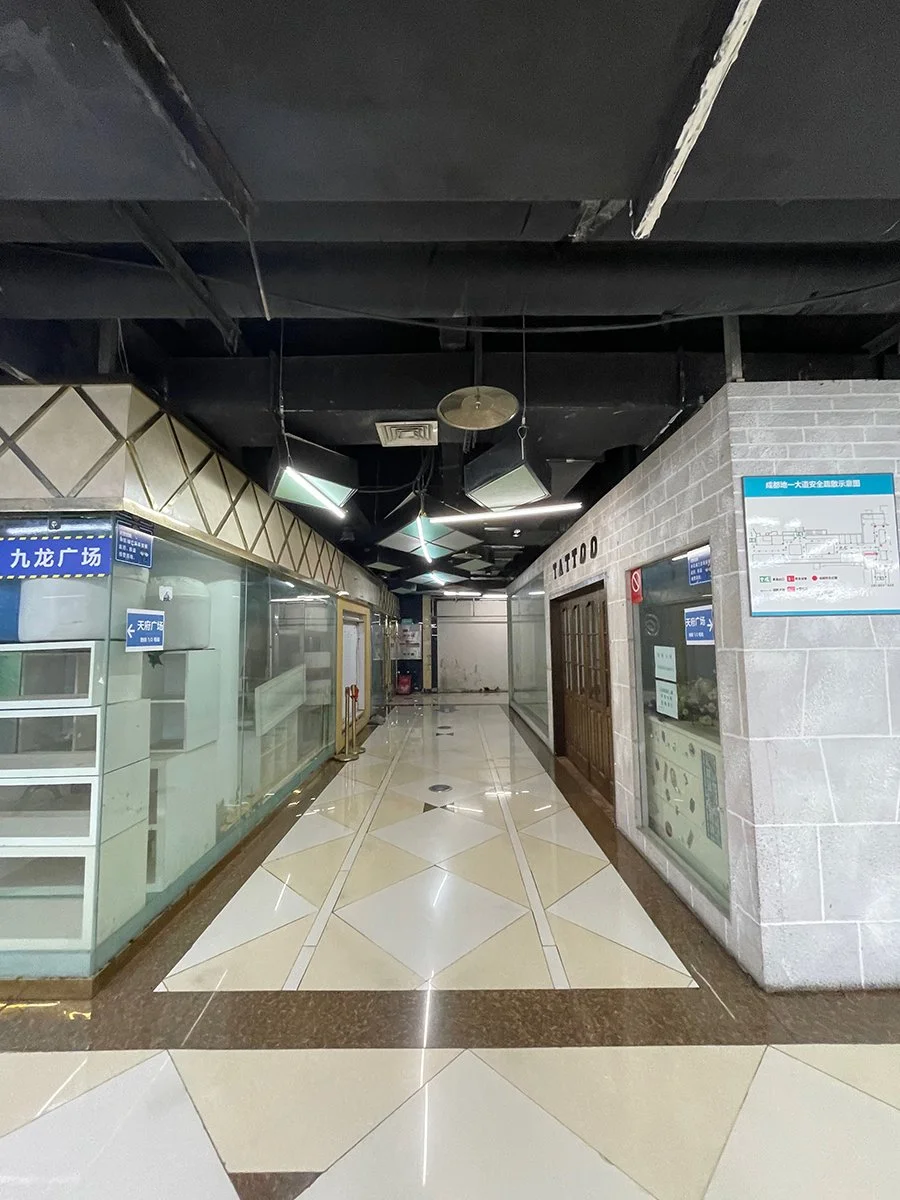
The abandoned, underground mall in Chengdu, China (©Deborah Clague).
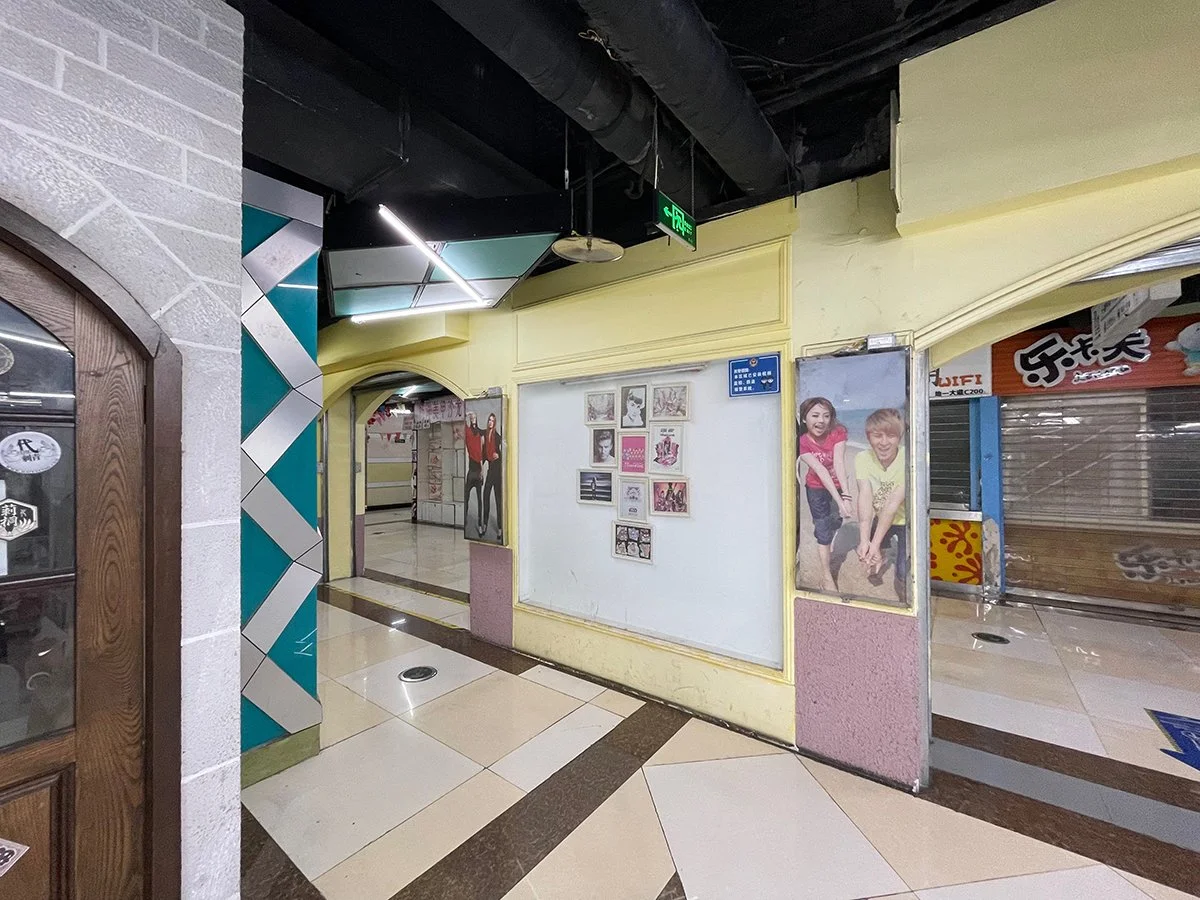
The abandoned, underground mall in Chengdu, China (©Deborah Clague).
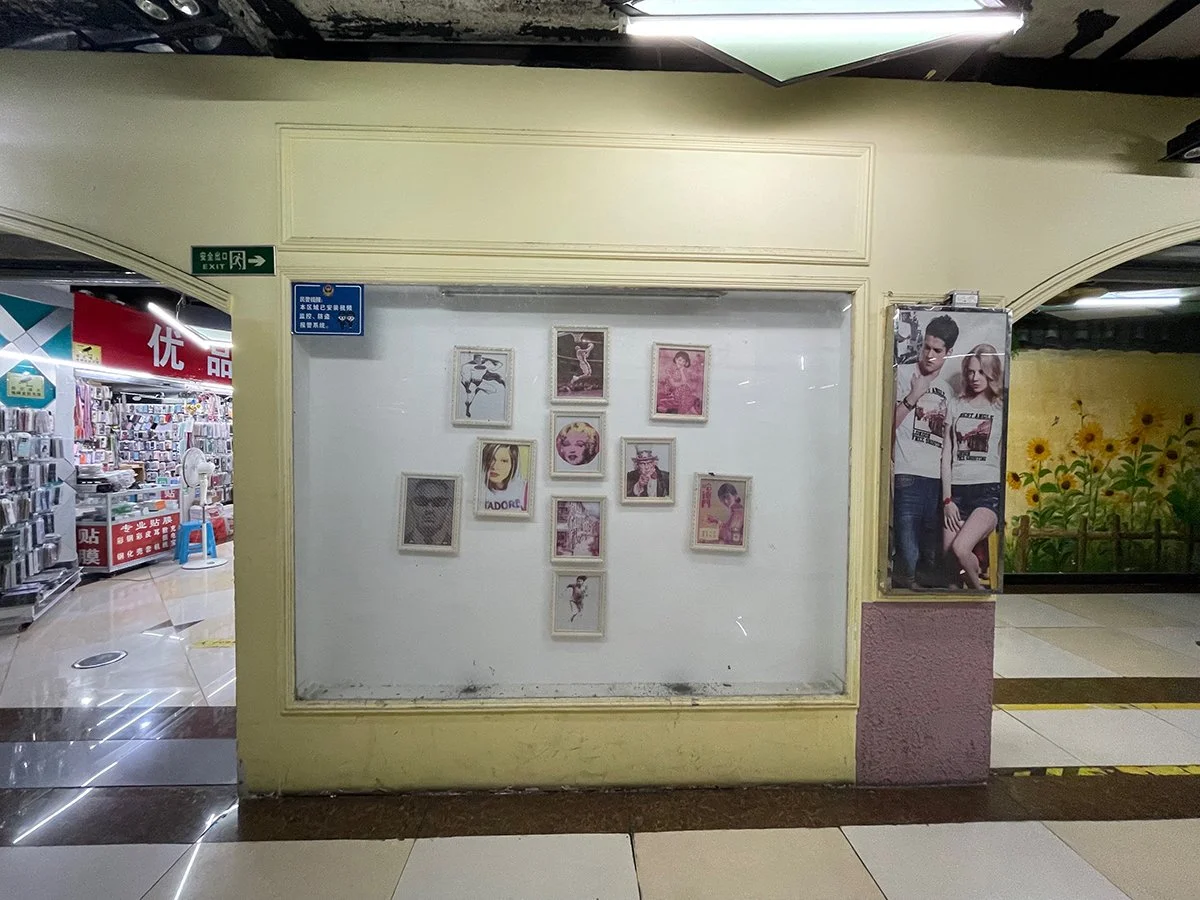
The abandoned, underground mall in Chengdu, China (©Deborah Clague).
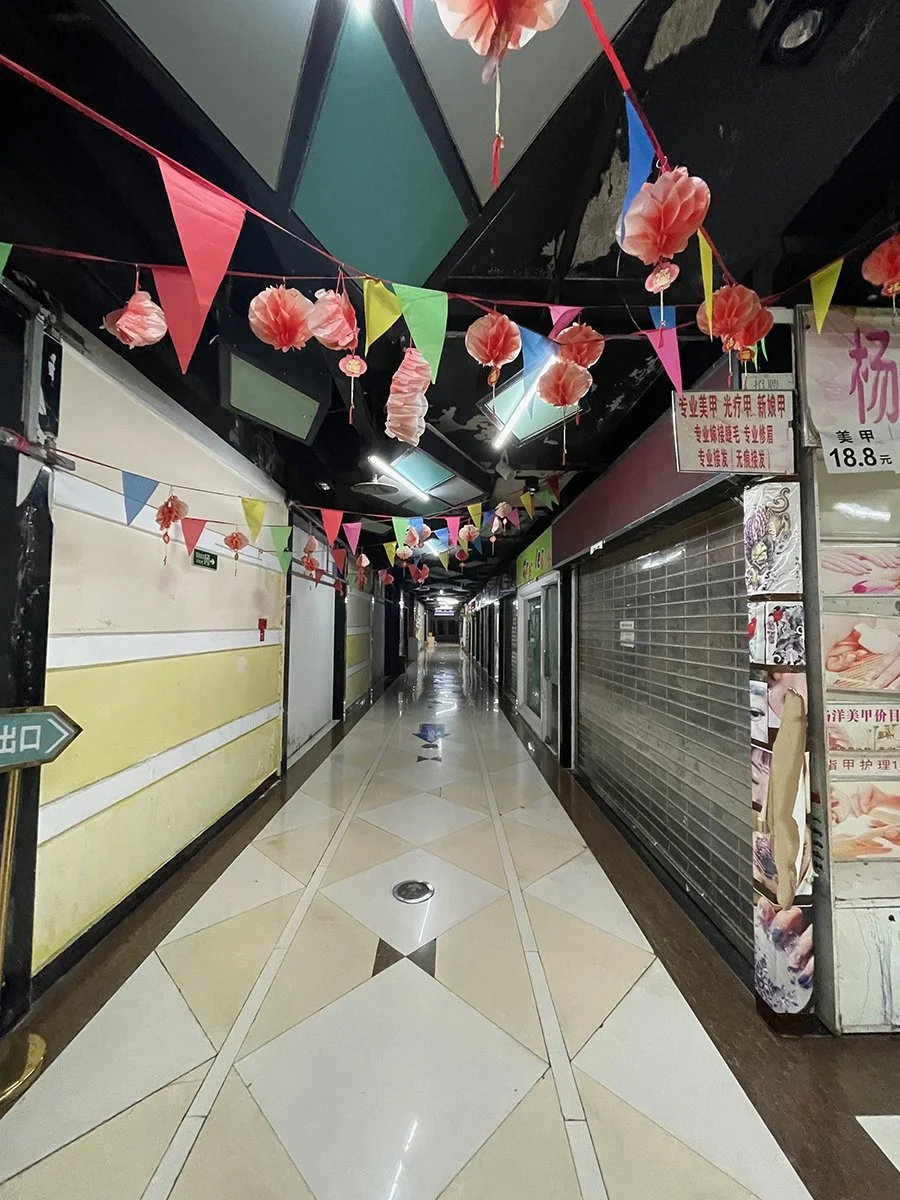
The abandoned, underground mall in Chengdu, China (©Deborah Clague).
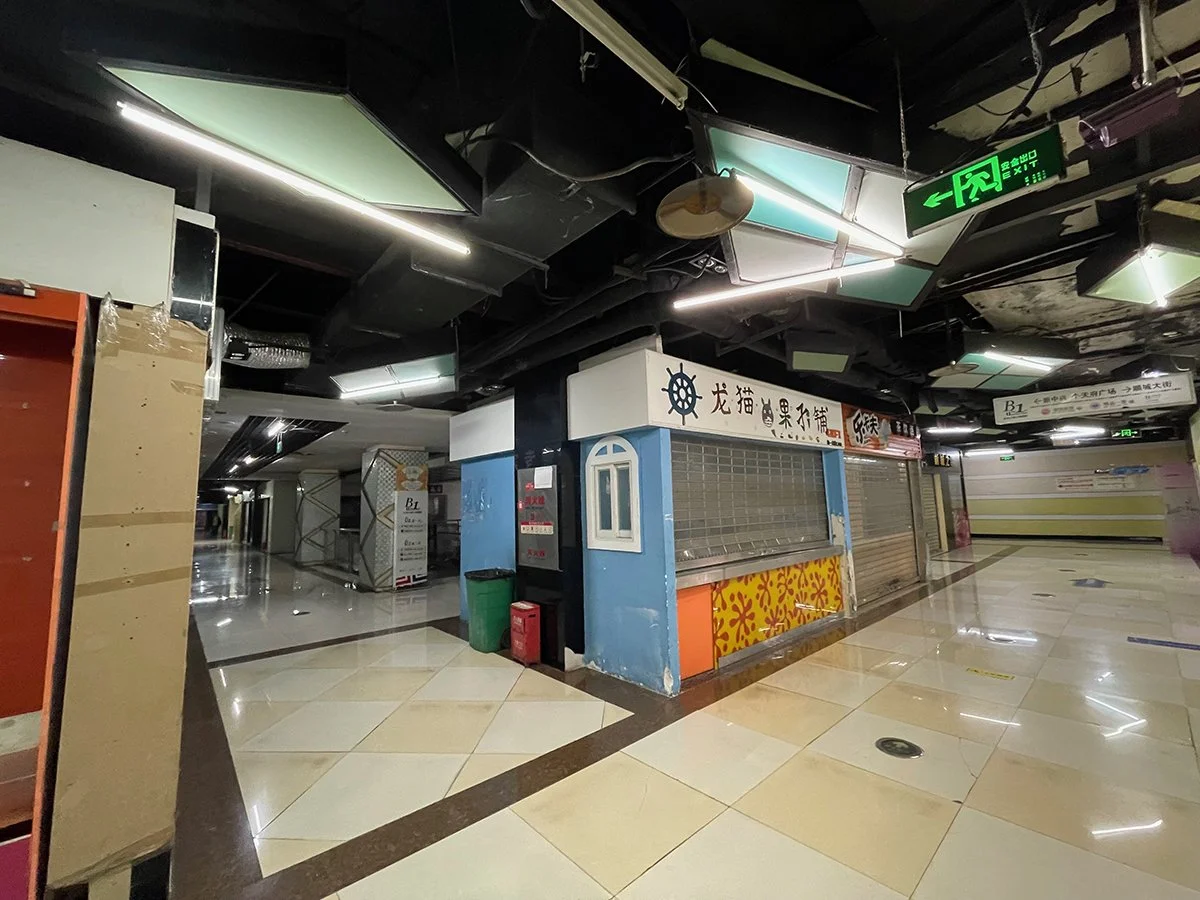
The abandoned, underground mall in Chengdu, China (©Deborah Clague).
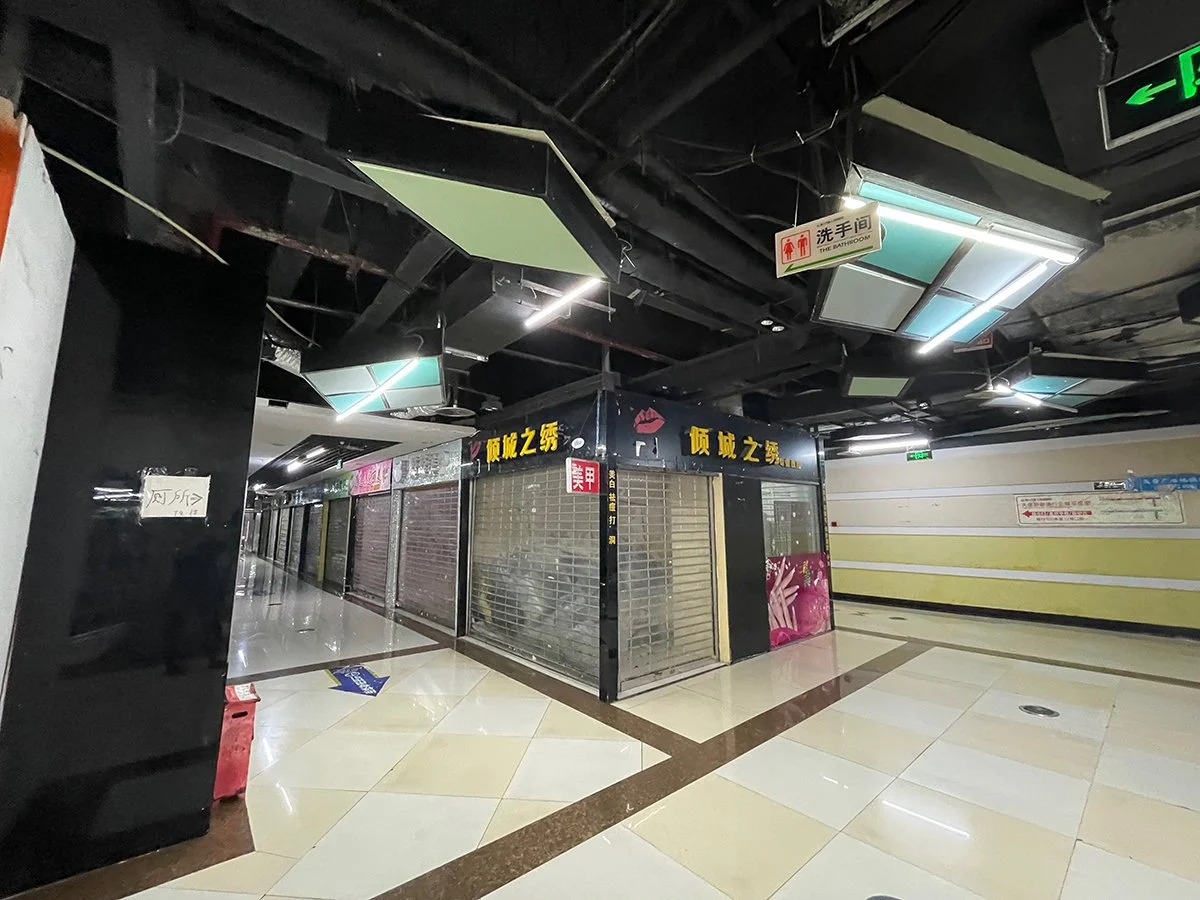
The abandoned, underground mall in Chengdu, China (©Deborah Clague).
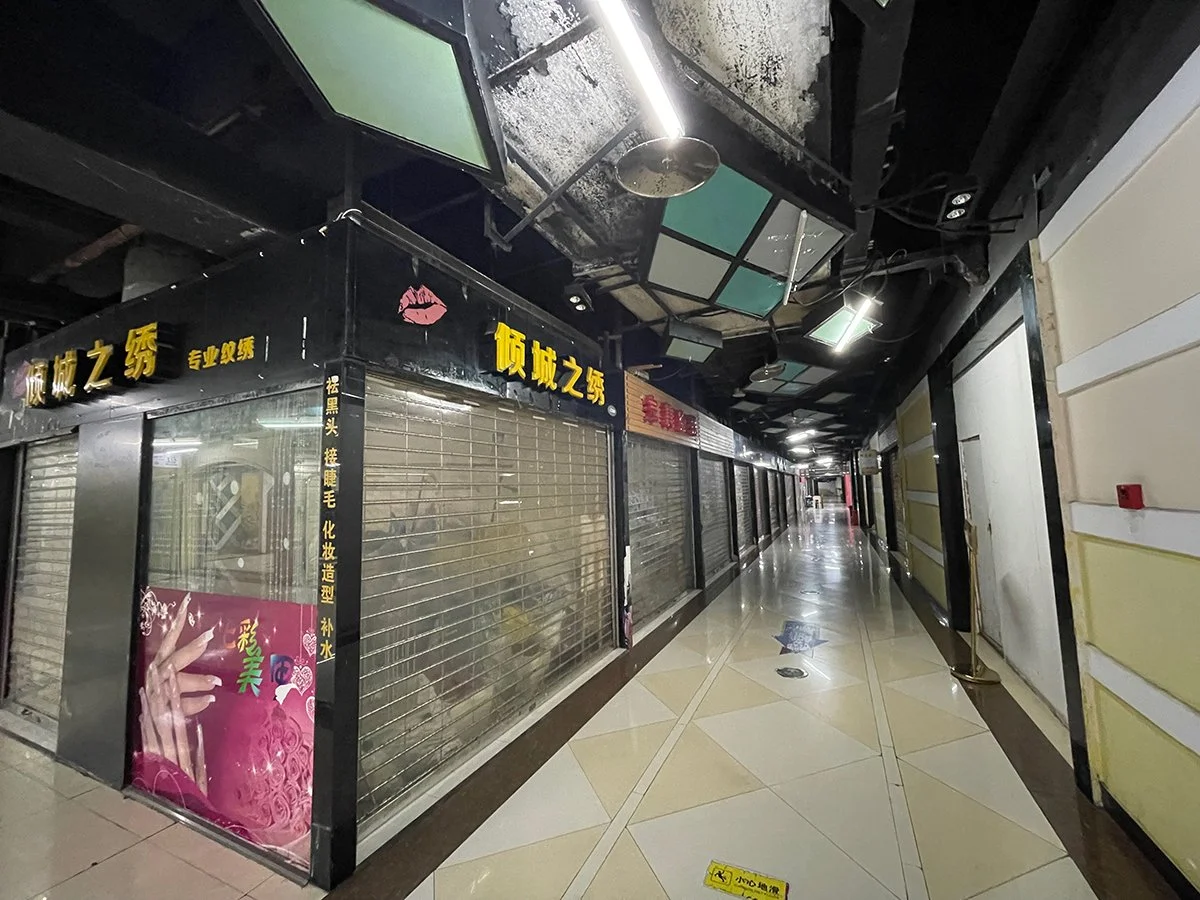
The abandoned, underground mall in Chengdu, China (©Deborah Clague).
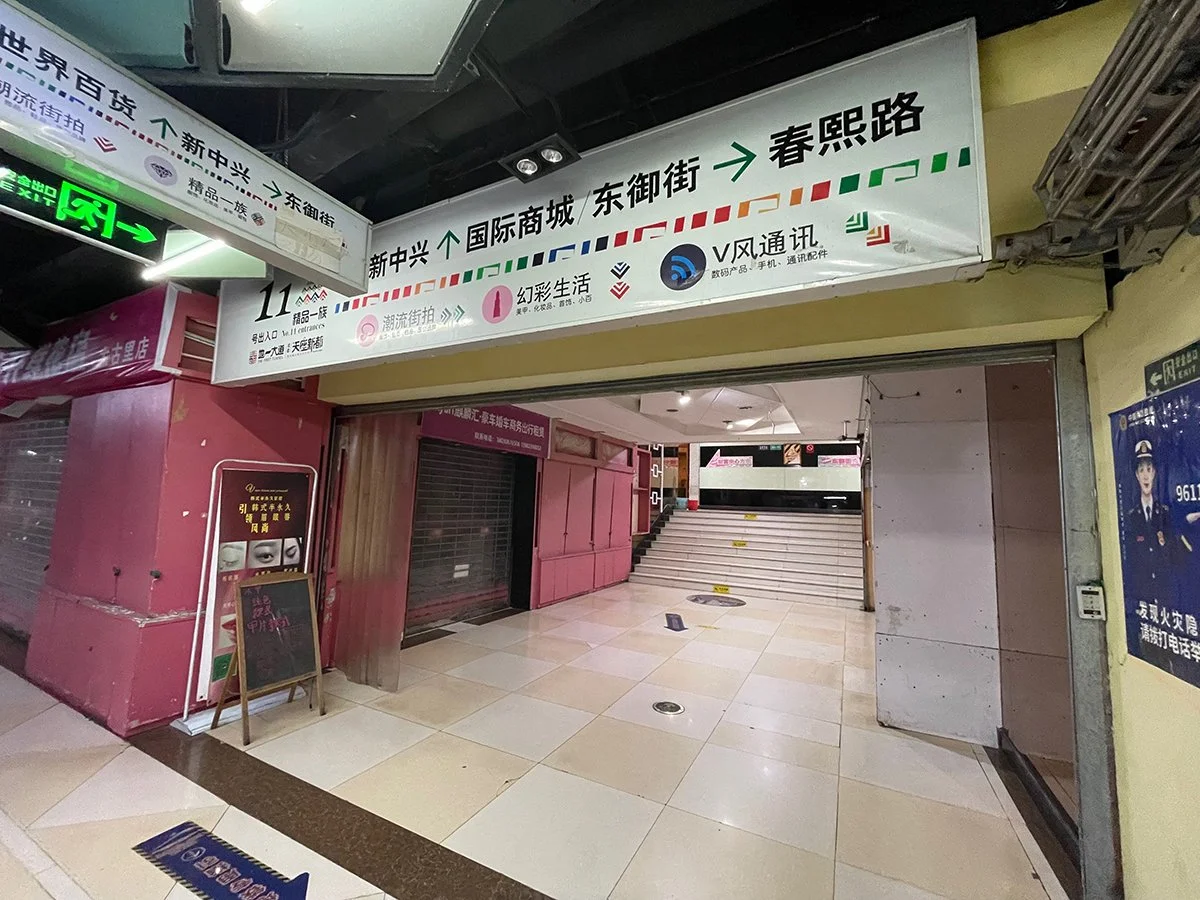
The abandoned, underground mall in Chengdu, China (©Deborah Clague).
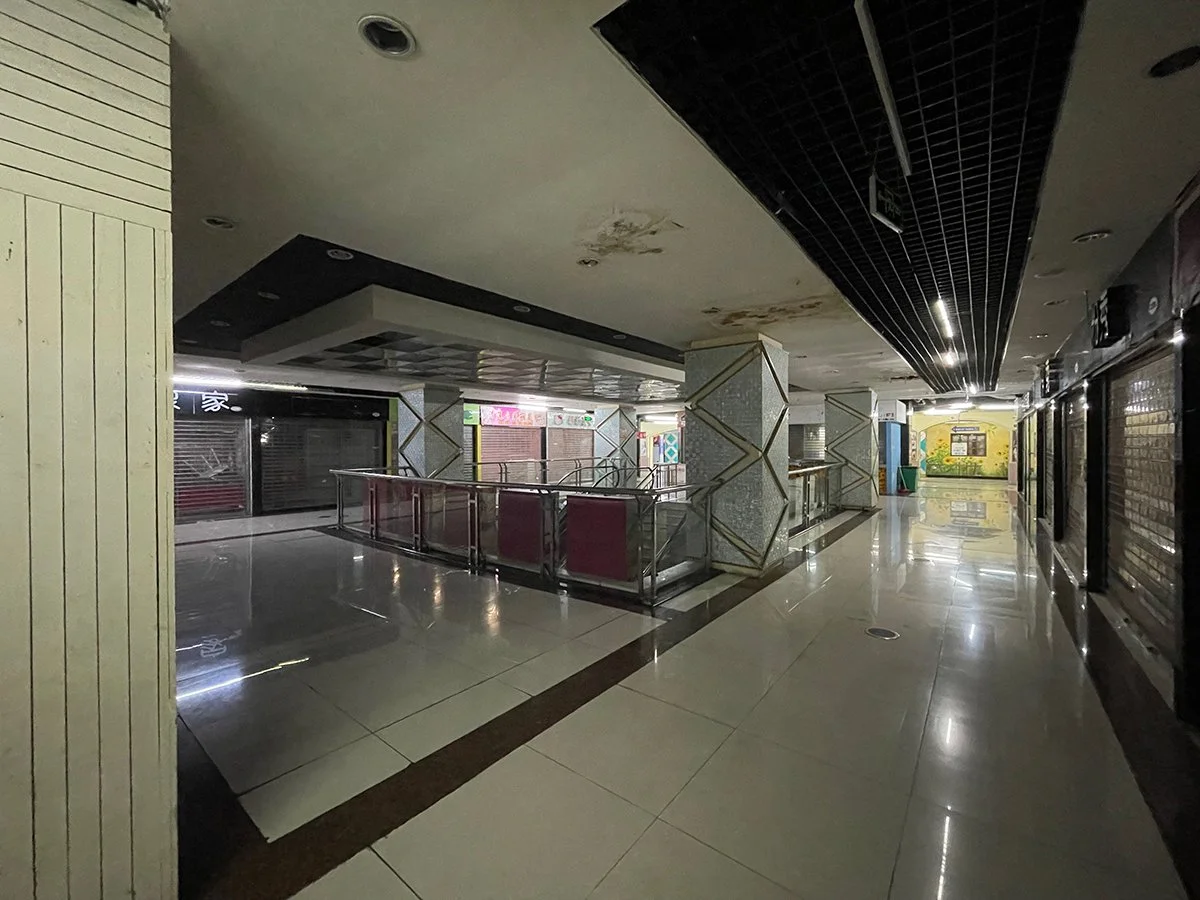
The abandoned, underground mall in Chengdu, China (©Deborah Clague).
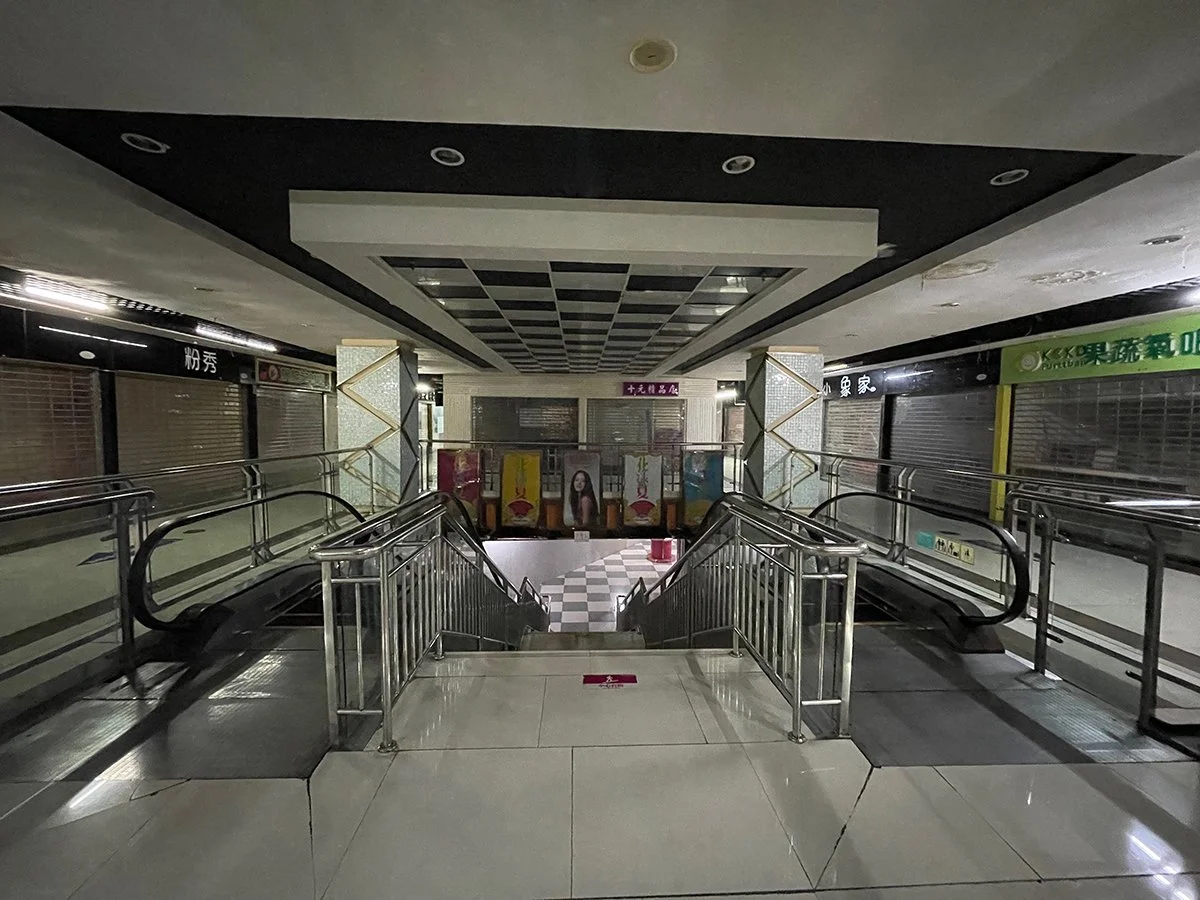
The abandoned, underground mall in Chengdu, China (©Deborah Clague).
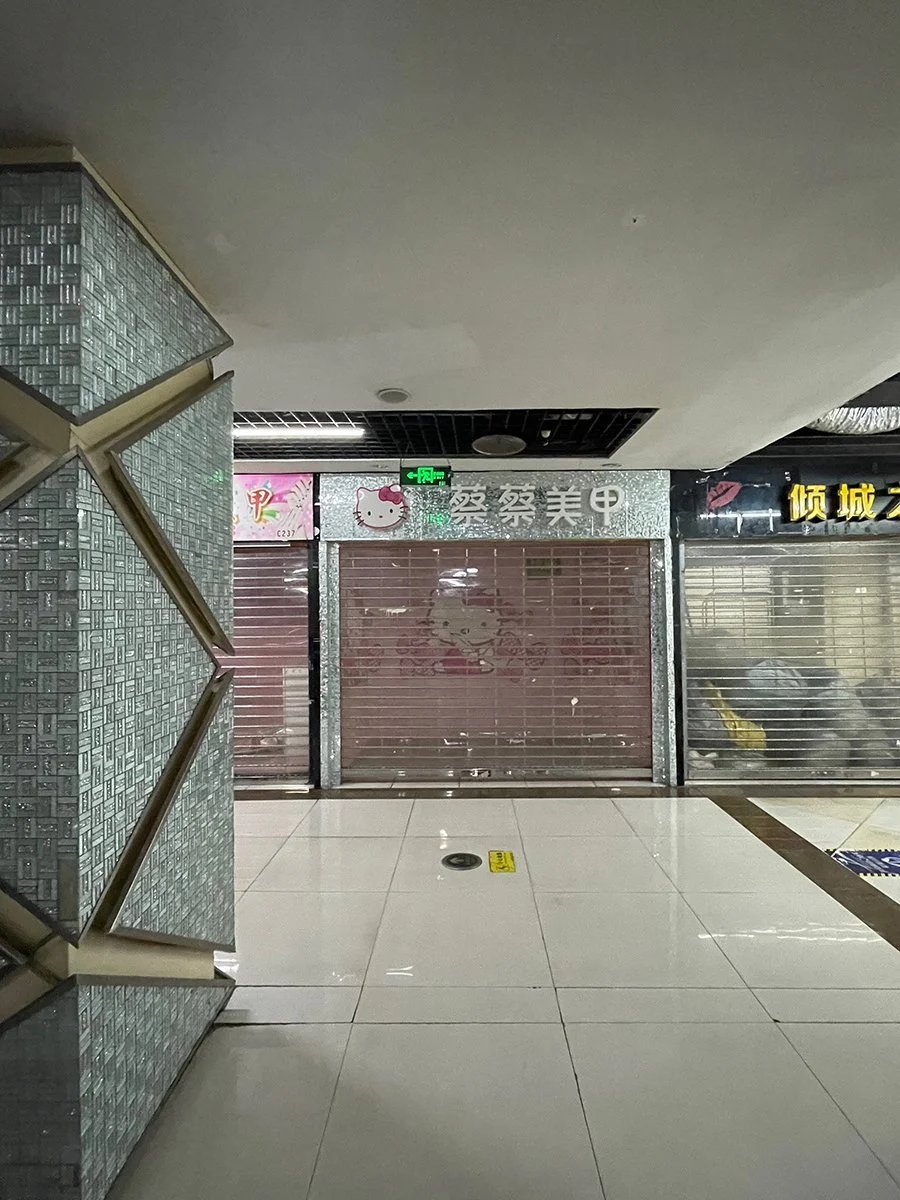
The abandoned, underground mall in Chengdu, China (©Deborah Clague). Well, hello kitty.
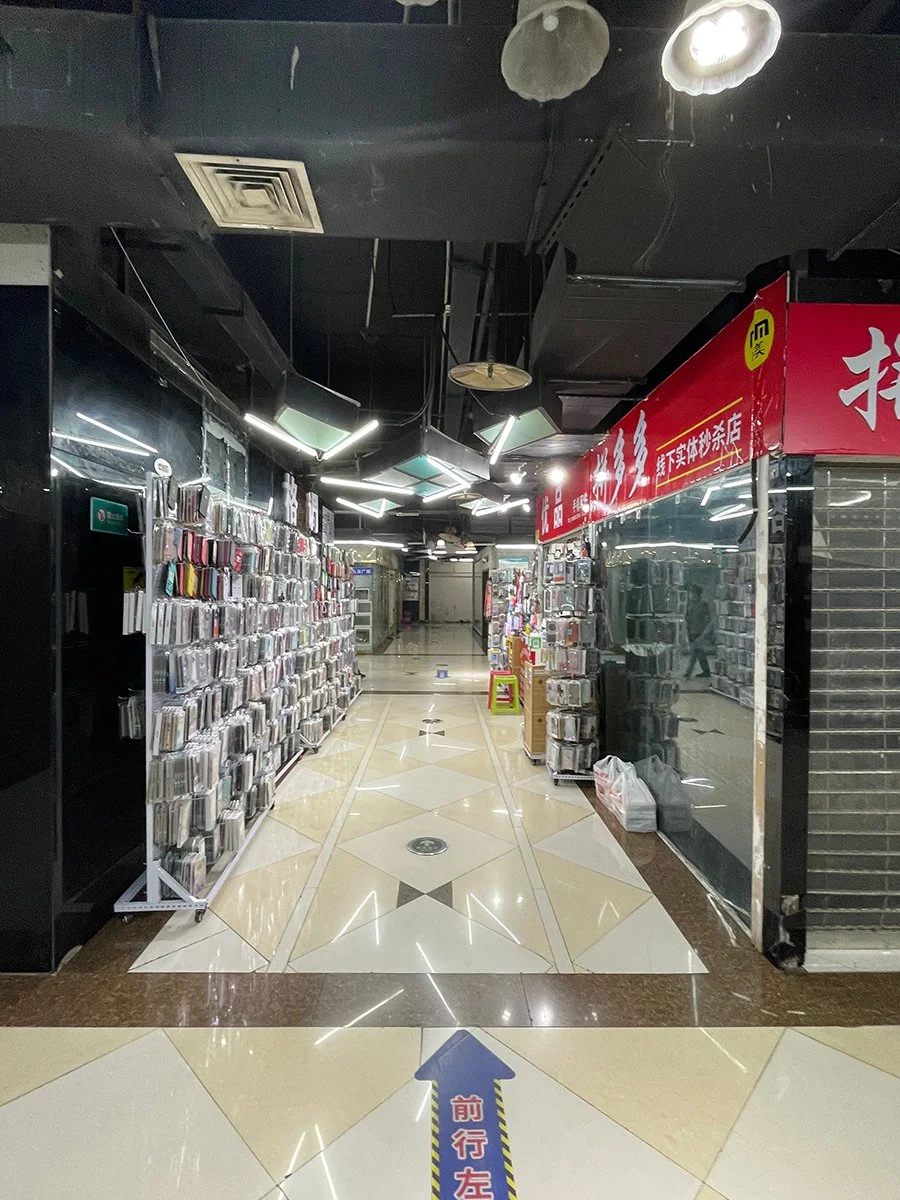
The abandoned, underground mall in Chengdu, China (©Deborah Clague).
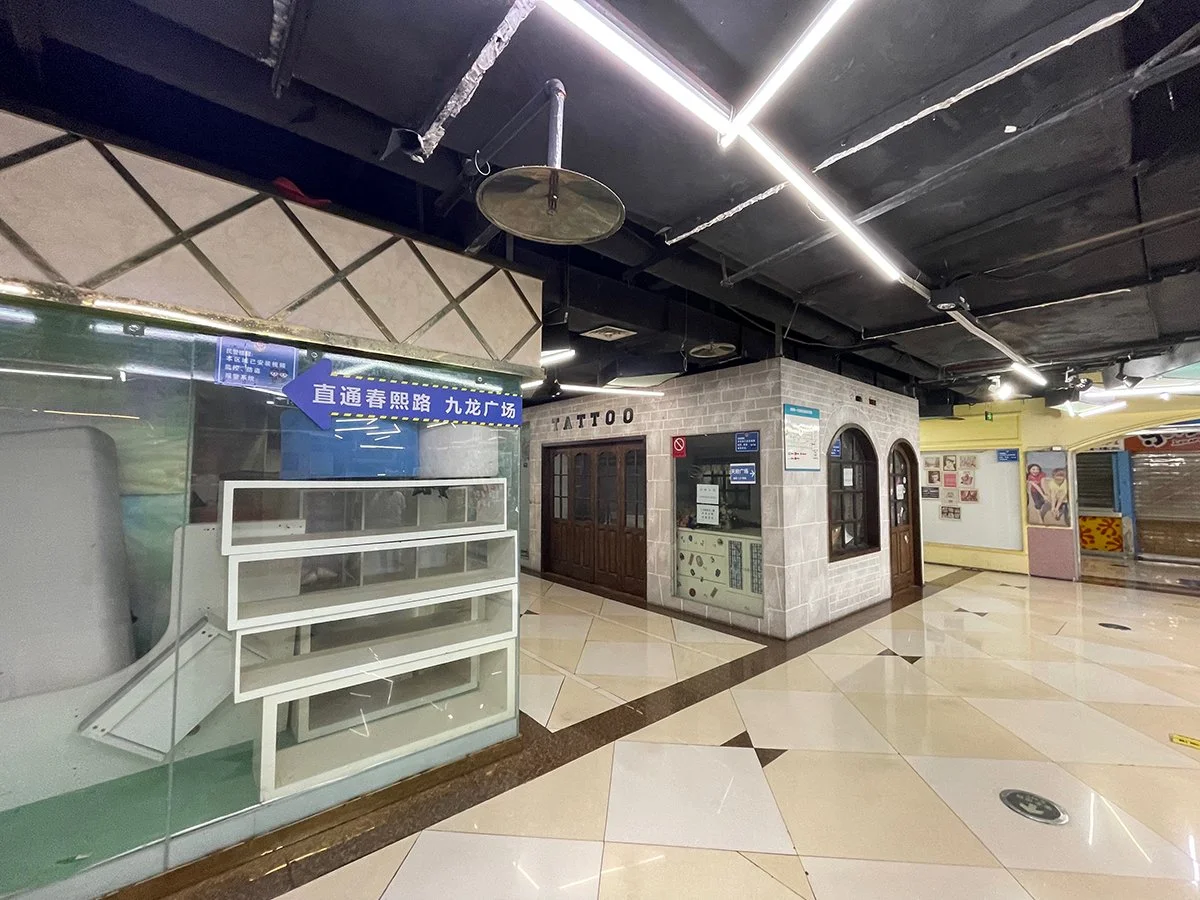
The abandoned, underground mall in Chengdu, China (©Deborah Clague).
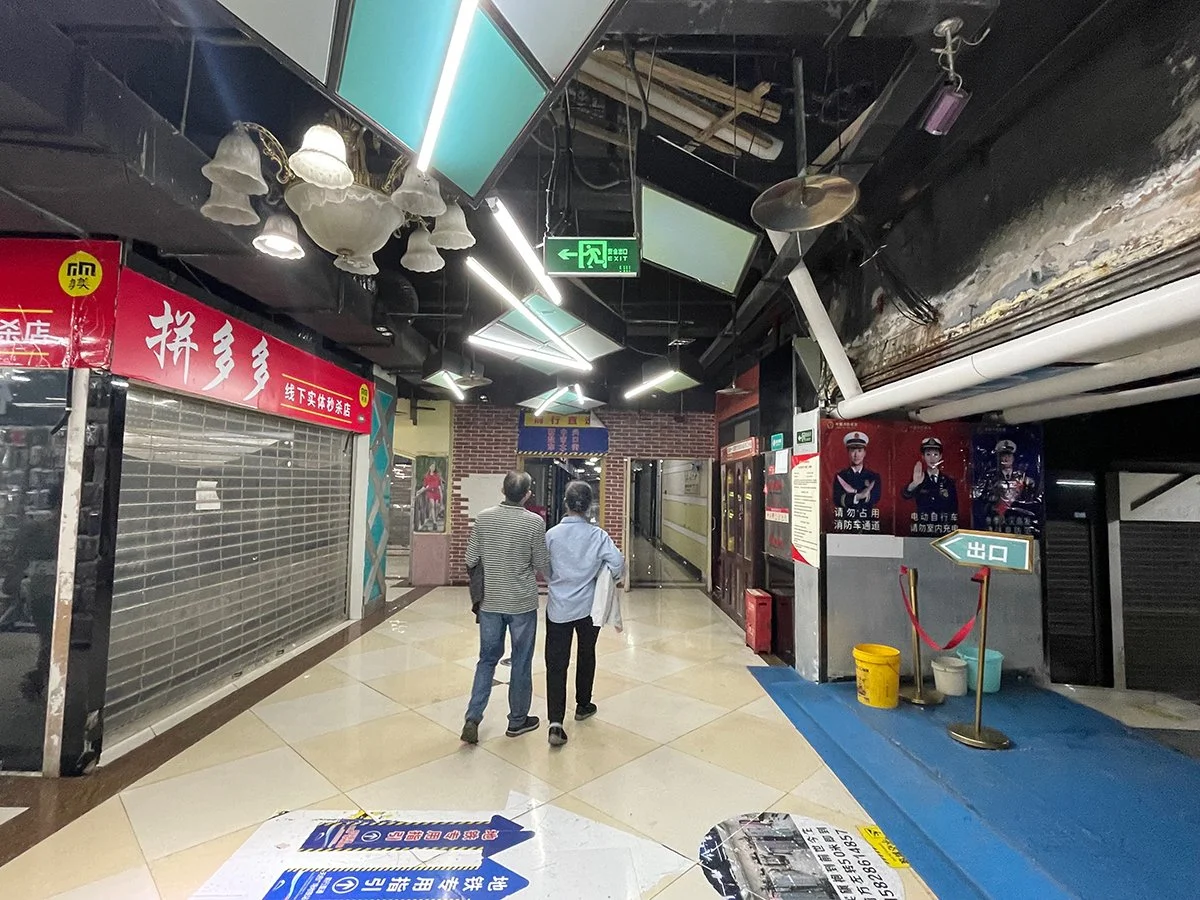
The abandoned, underground mall in Chengdu, China (©Deborah Clague).
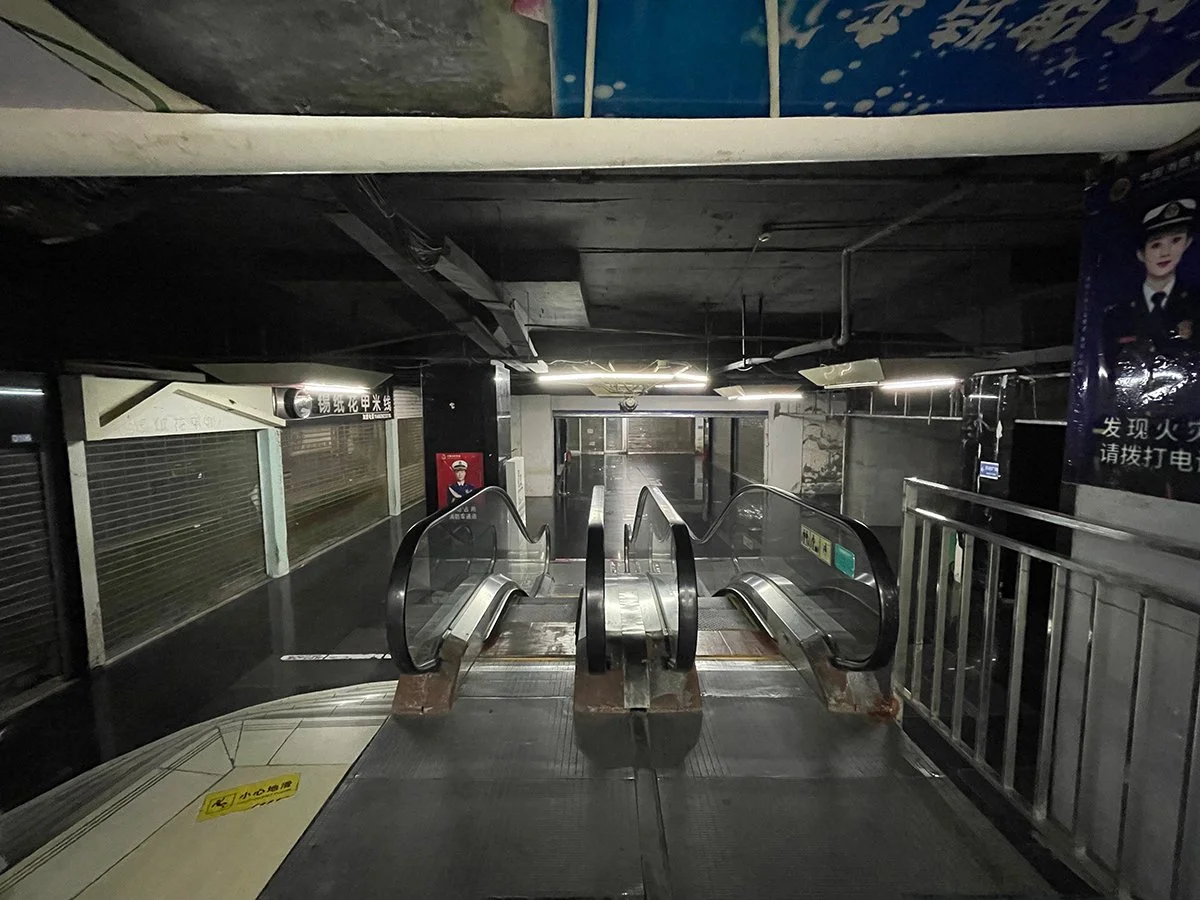
The abandoned, underground mall in Chengdu, China (©Deborah Clague). Going down another level.
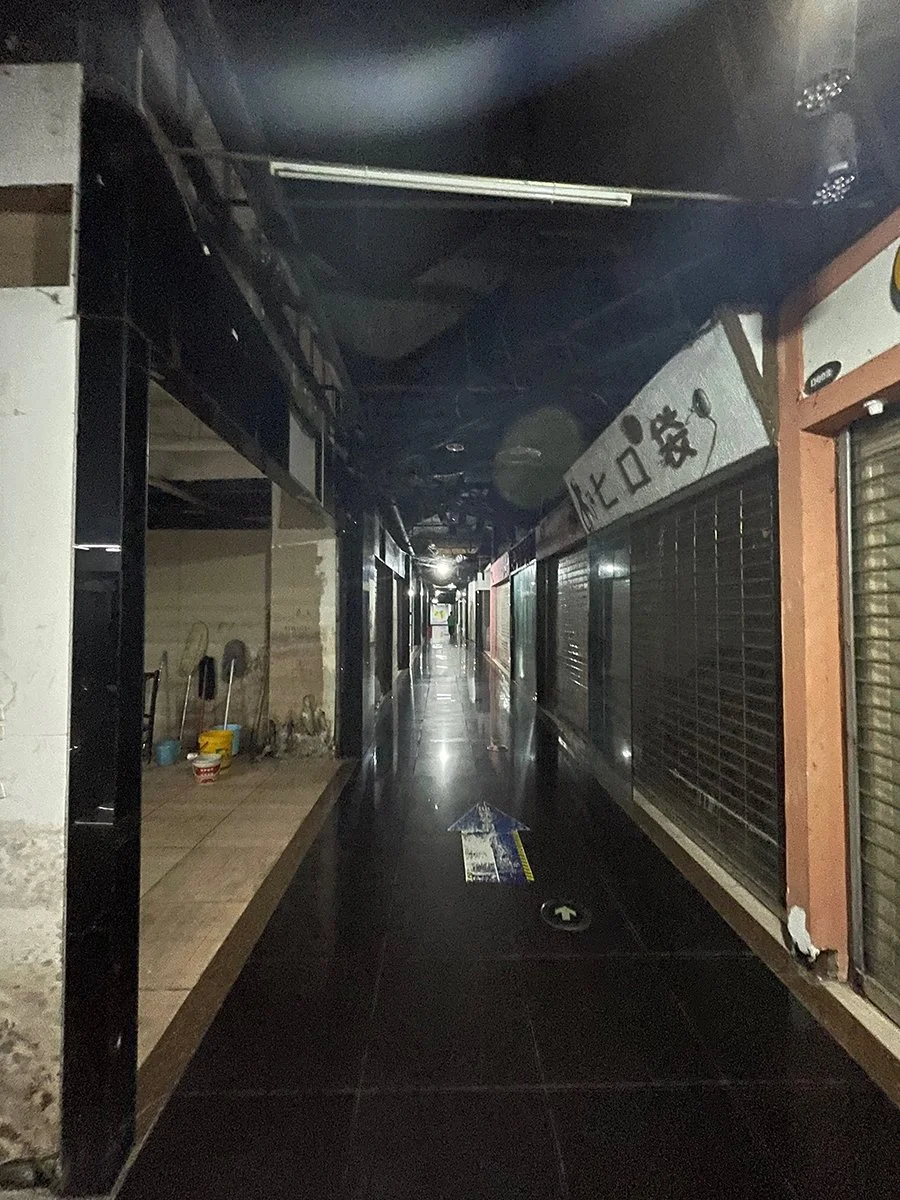
The abandoned, underground mall in Chengdu, China (©Deborah Clague).
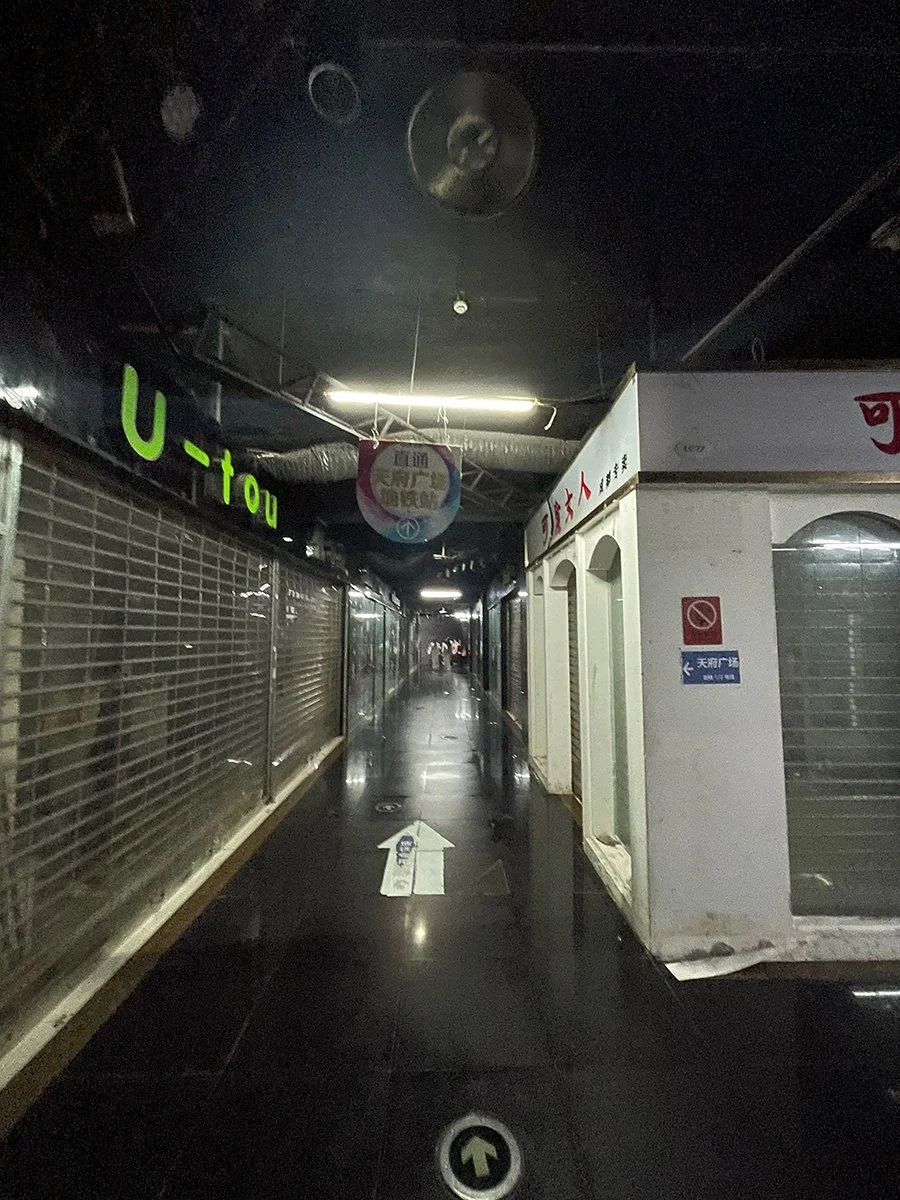
The abandoned, underground mall in Chengdu, China (©Deborah Clague).
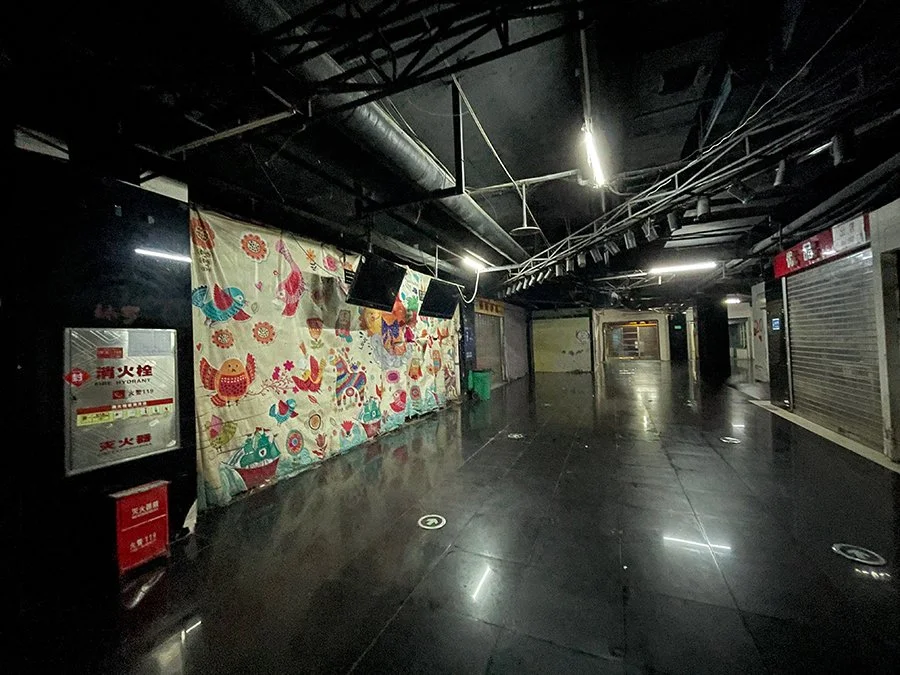
The abandoned, underground mall in Chengdu, China (©Deborah Clague).
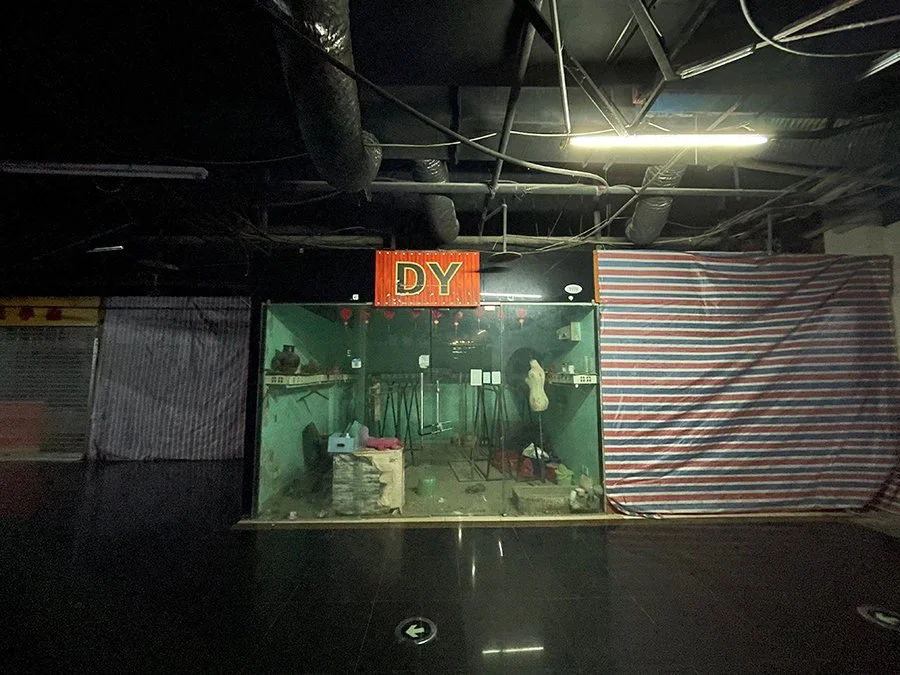
The abandoned, underground mall in Chengdu, China (©Deborah Clague).
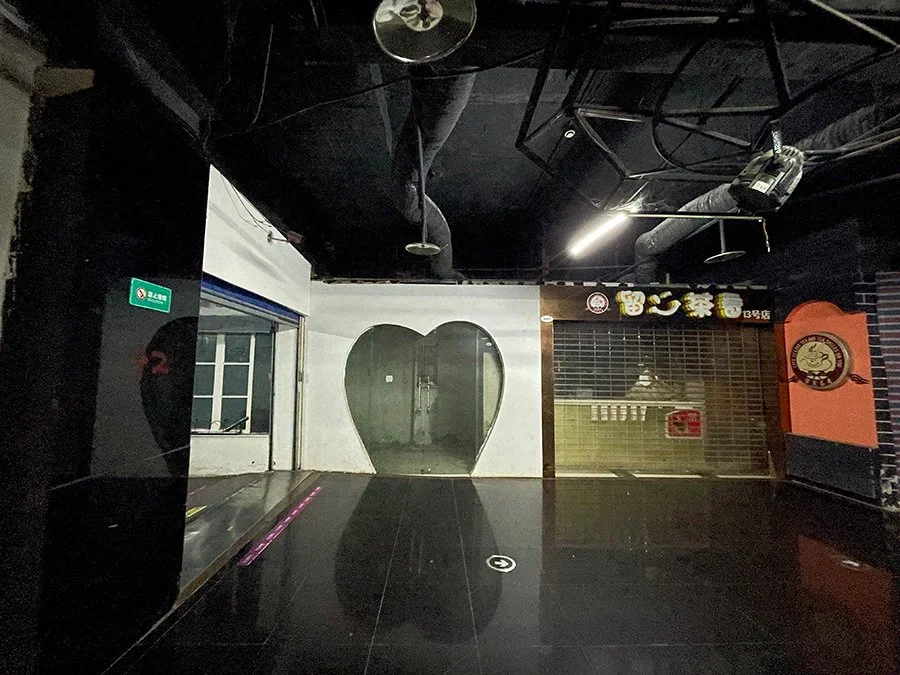
The abandoned, underground mall in Chengdu, China (©Deborah Clague).
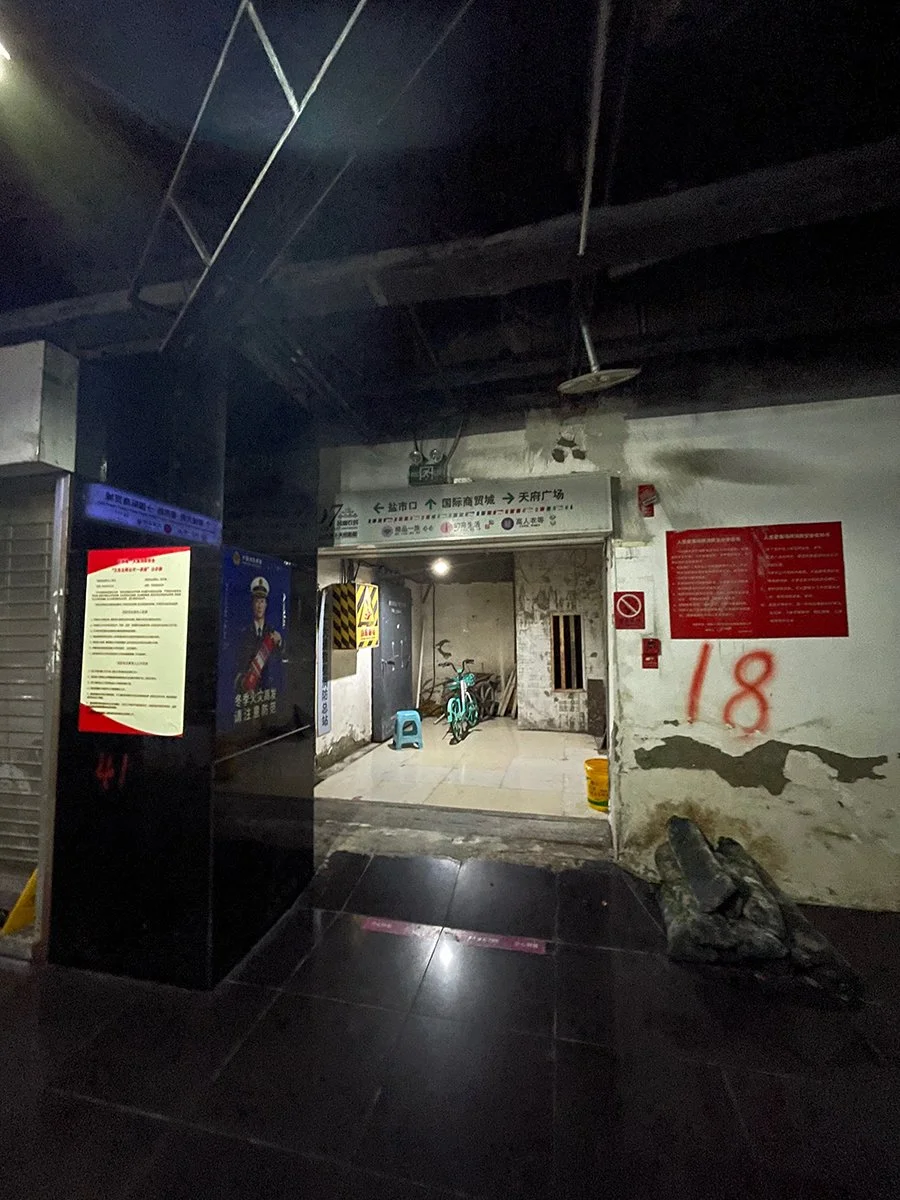
The abandoned, underground mall in Chengdu, China (©Deborah Clague).
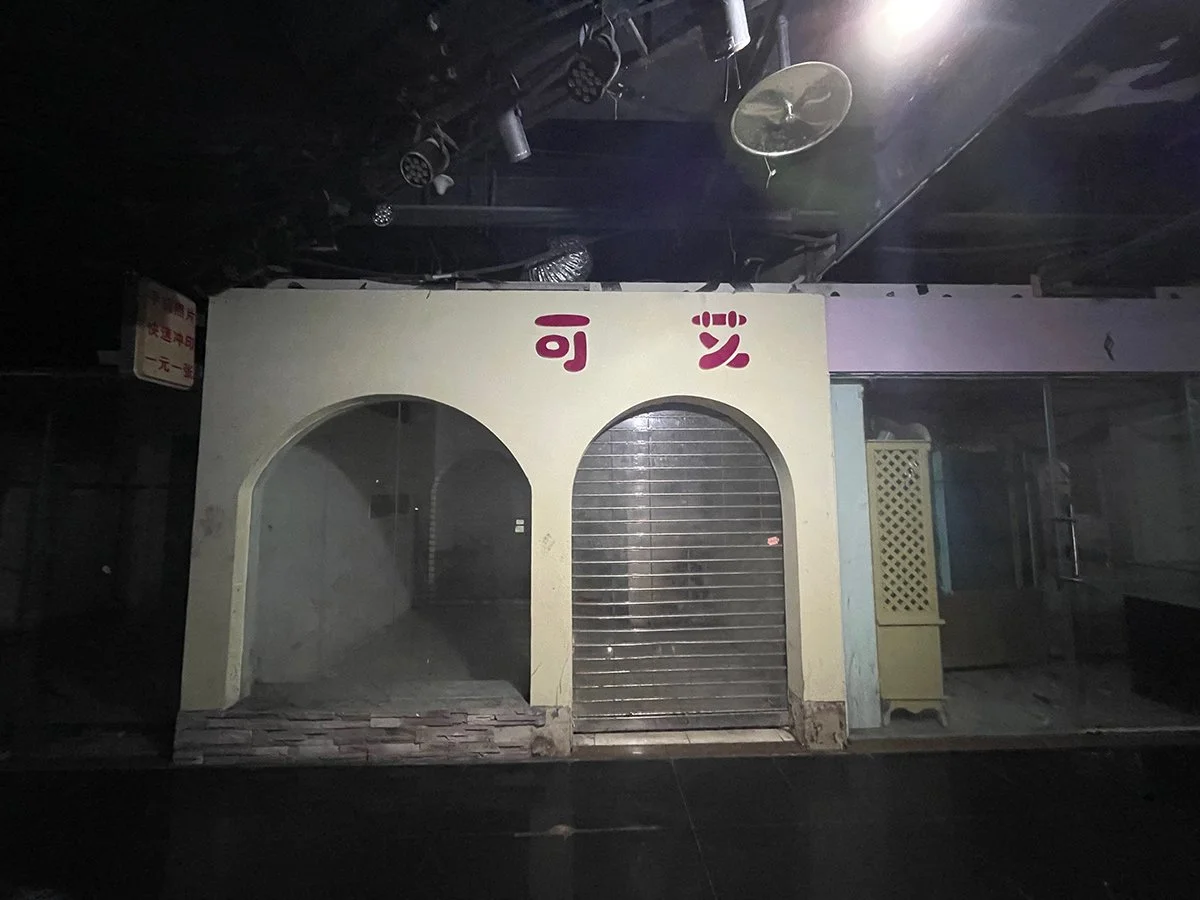
The abandoned, underground mall in Chengdu, China (©Deborah Clague).
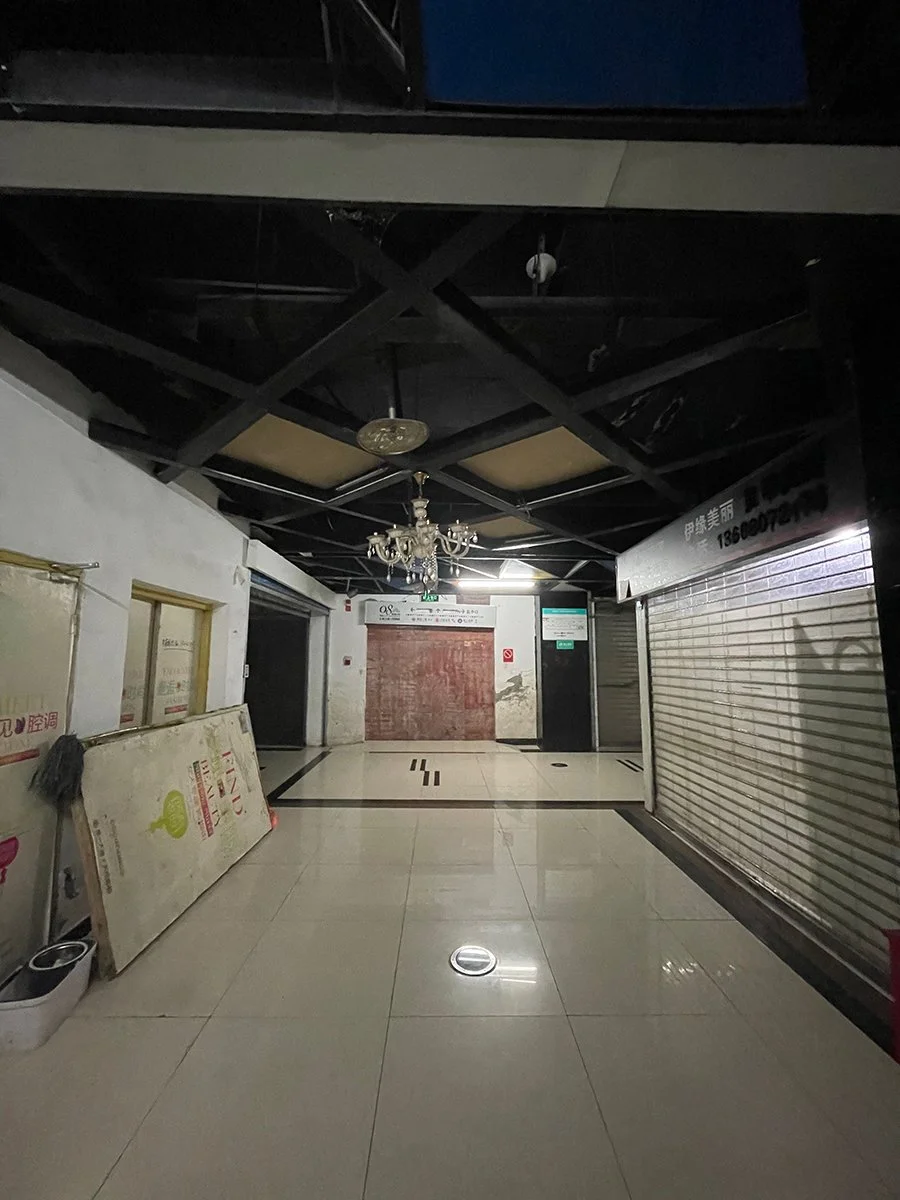
The abandoned, underground mall in Chengdu, China (©Deborah Clague).
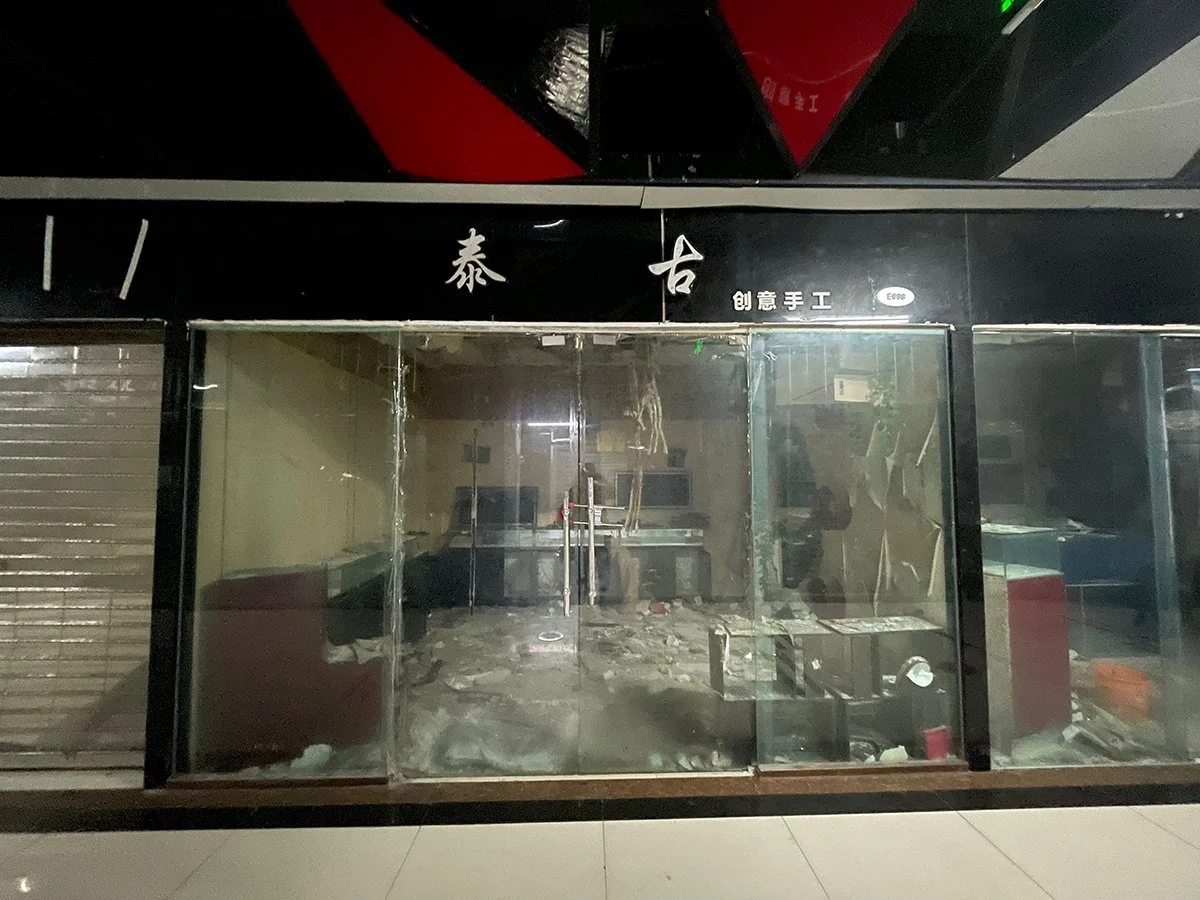
The abandoned, underground mall in Chengdu, China (©Deborah Clague).
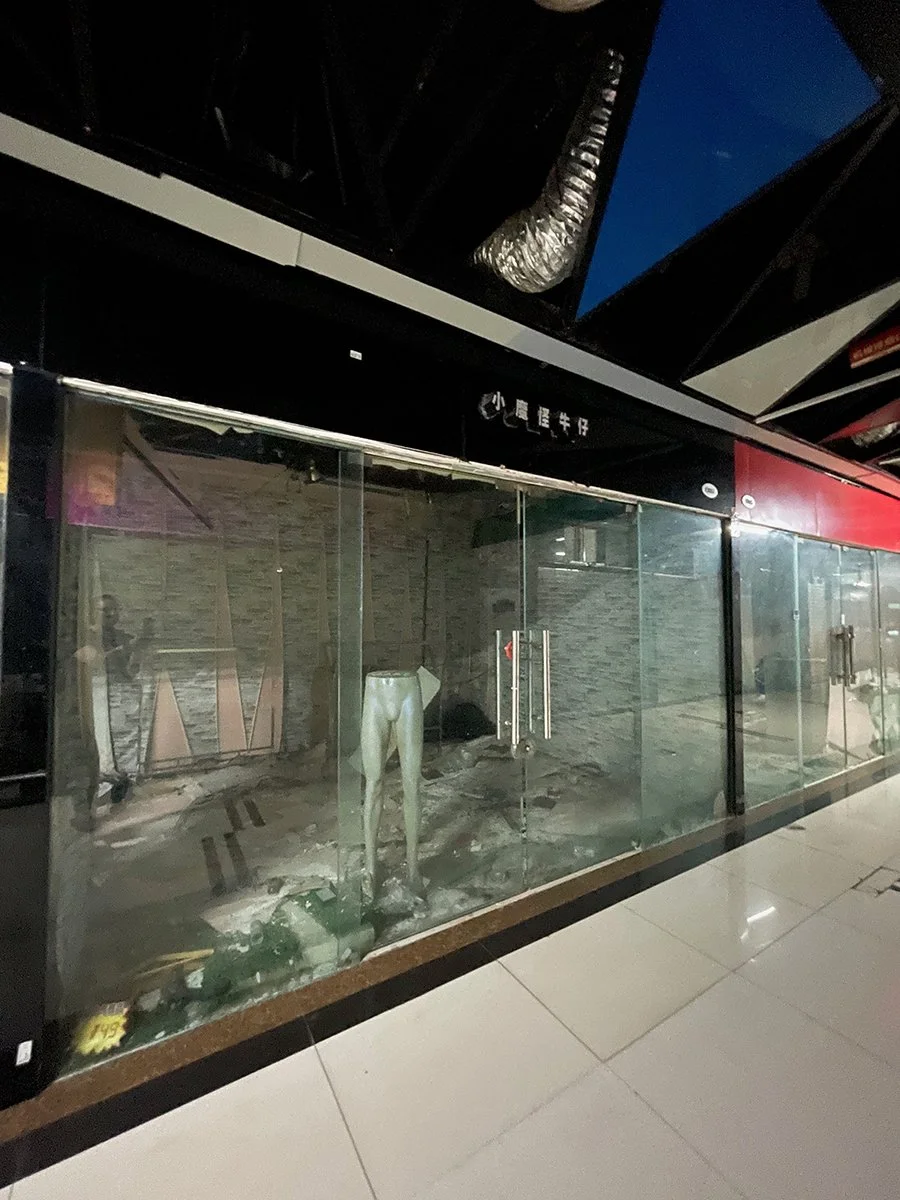
The abandoned, underground mall in Chengdu, China (©Deborah Clague).
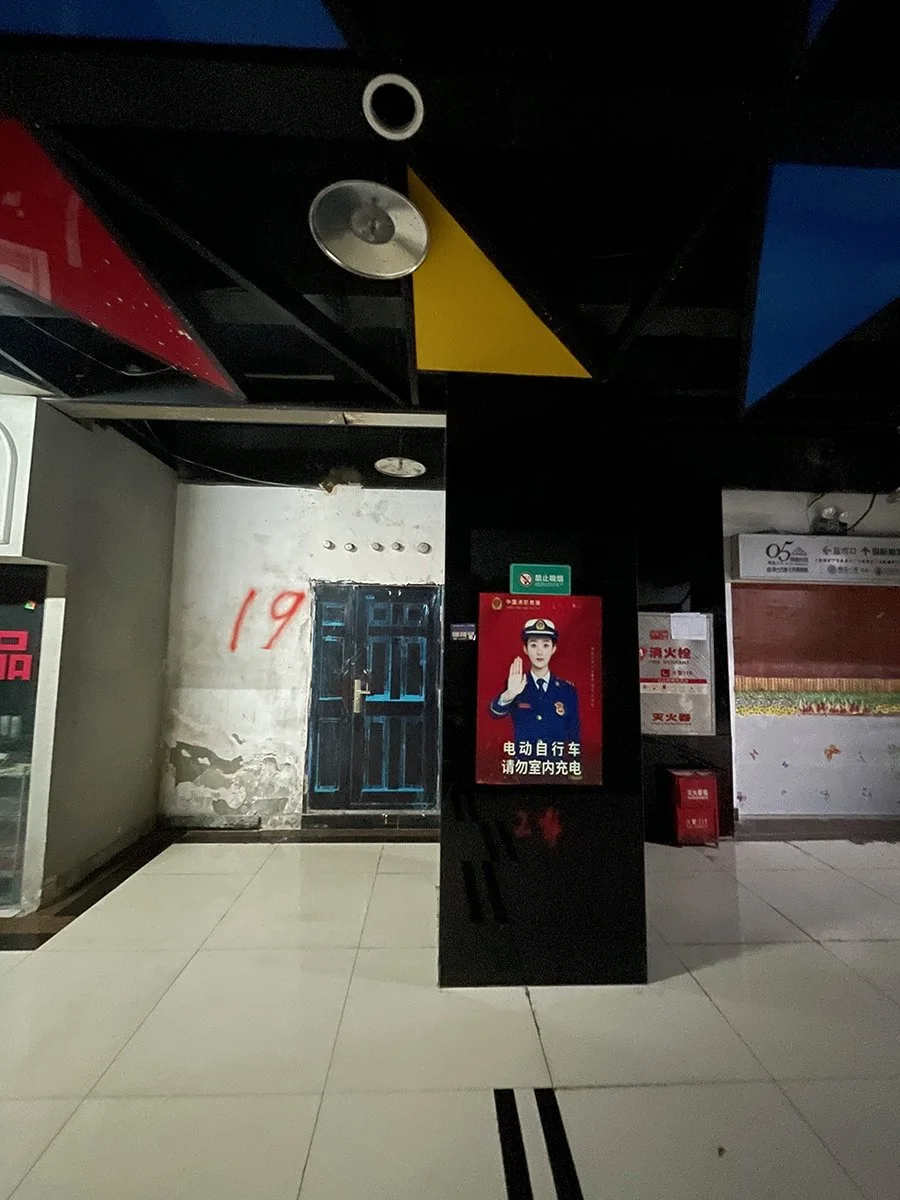
The abandoned, underground mall in Chengdu, China (©Deborah Clague).
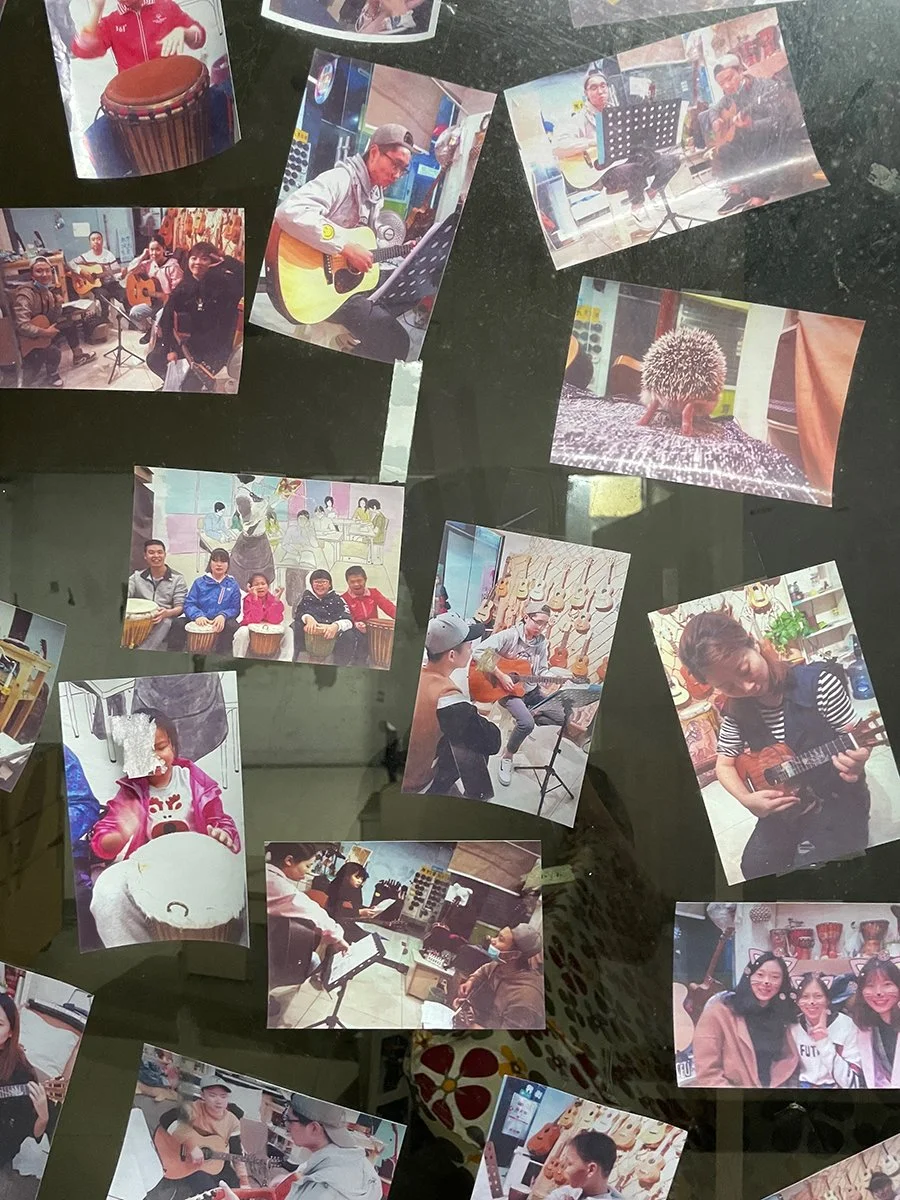
The abandoned, underground mall in Chengdu, China (©Deborah Clague).
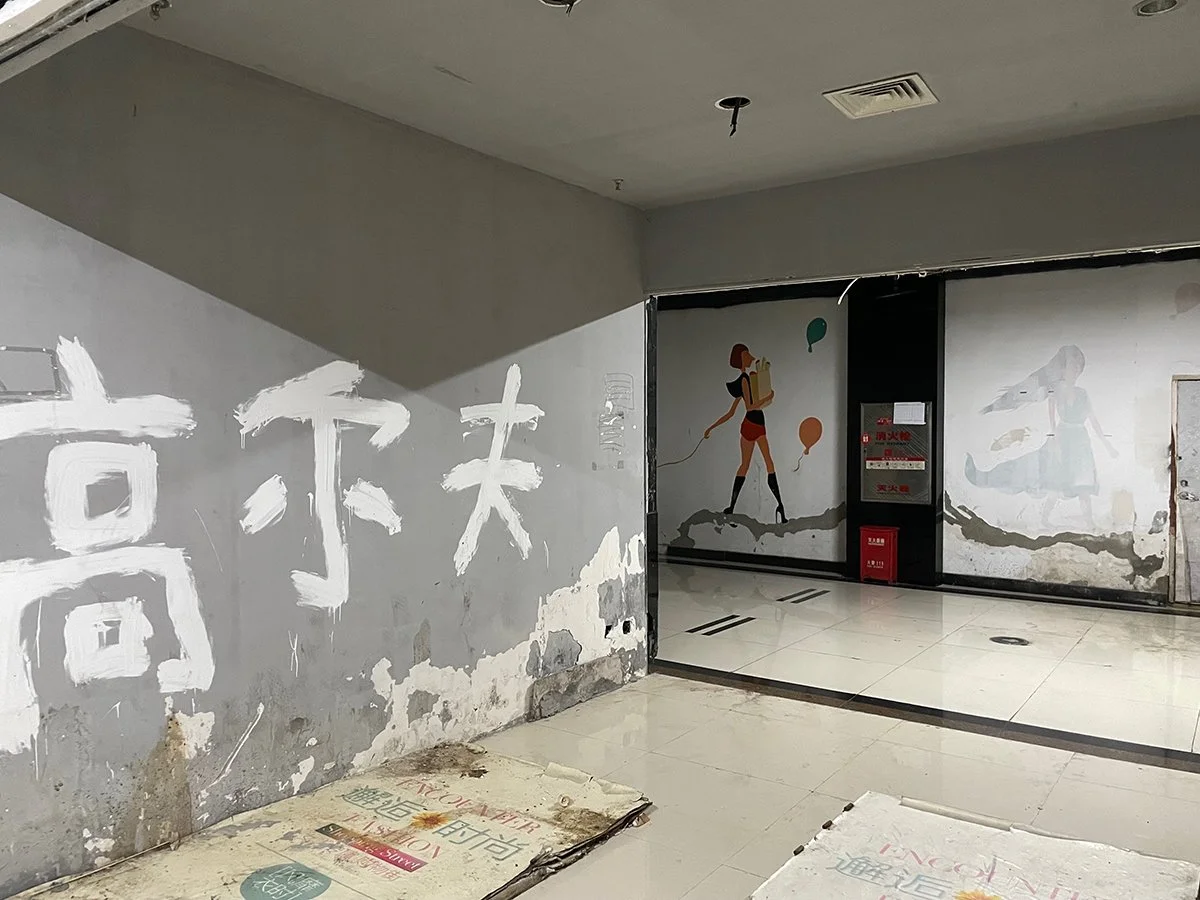
The abandoned, underground mall in Chengdu, China (©Deborah Clague).
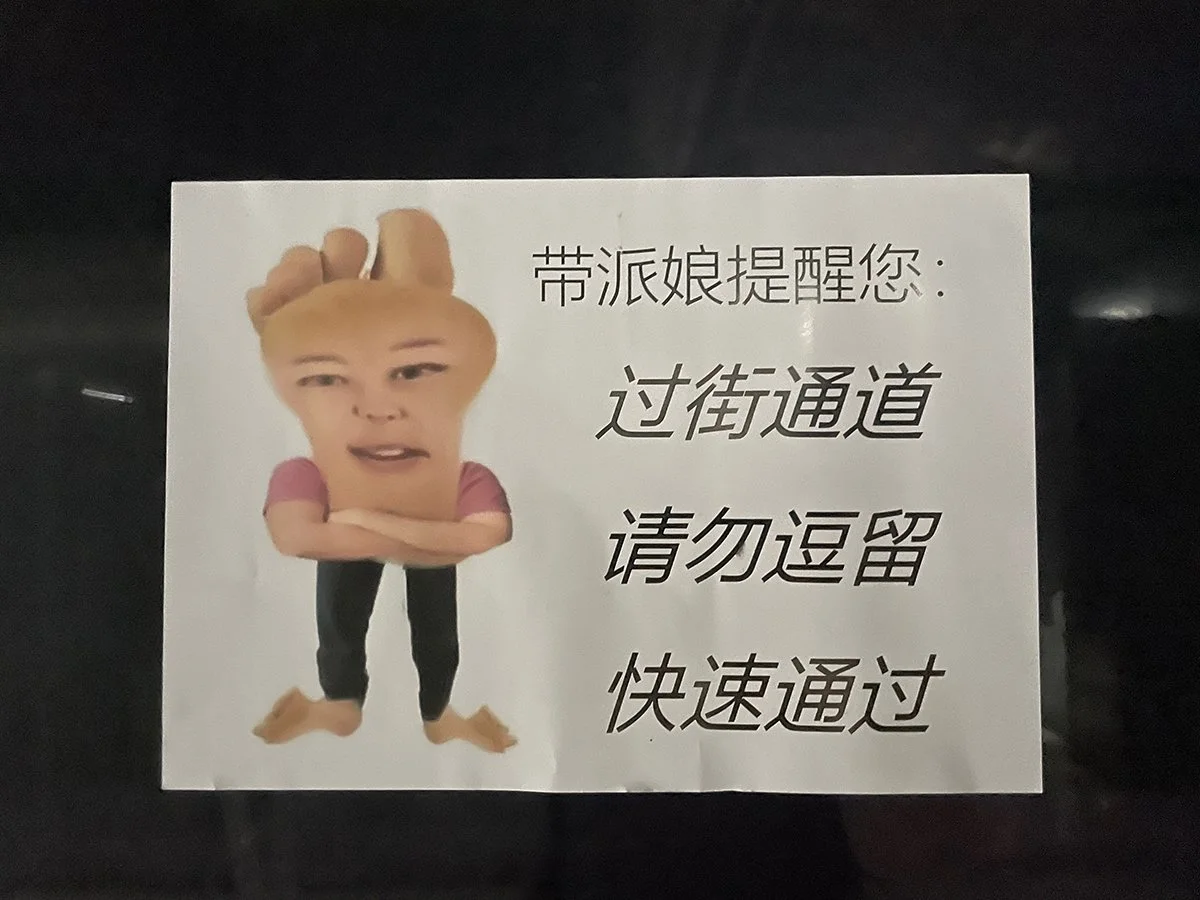
The abandoned, underground mall in Chengdu, China (©Deborah Clague). Google Translate is telling me this says “Dai Pai Niang reminds you: Cross-street passage. Please do not stay. Pass quickly.”
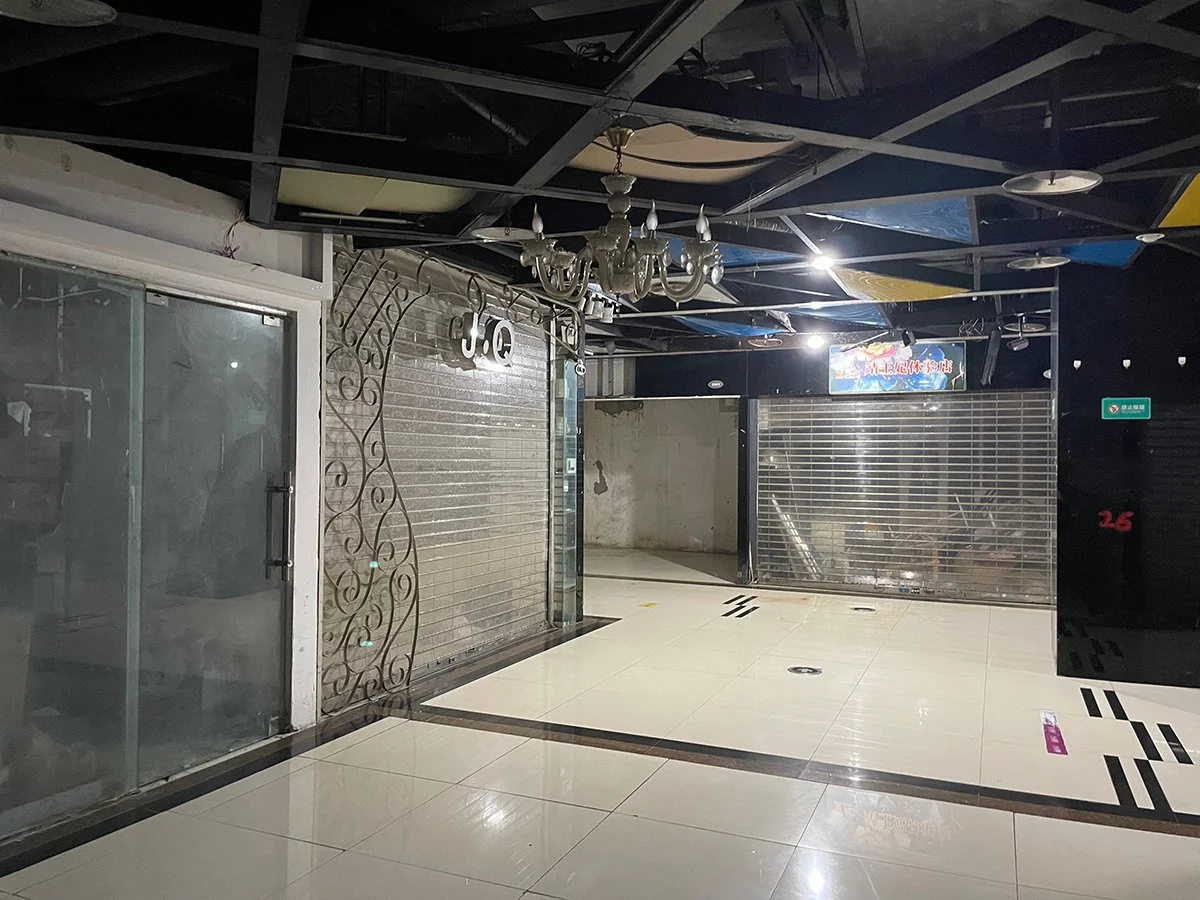
The abandoned, underground mall in Chengdu, China (©Deborah Clague).
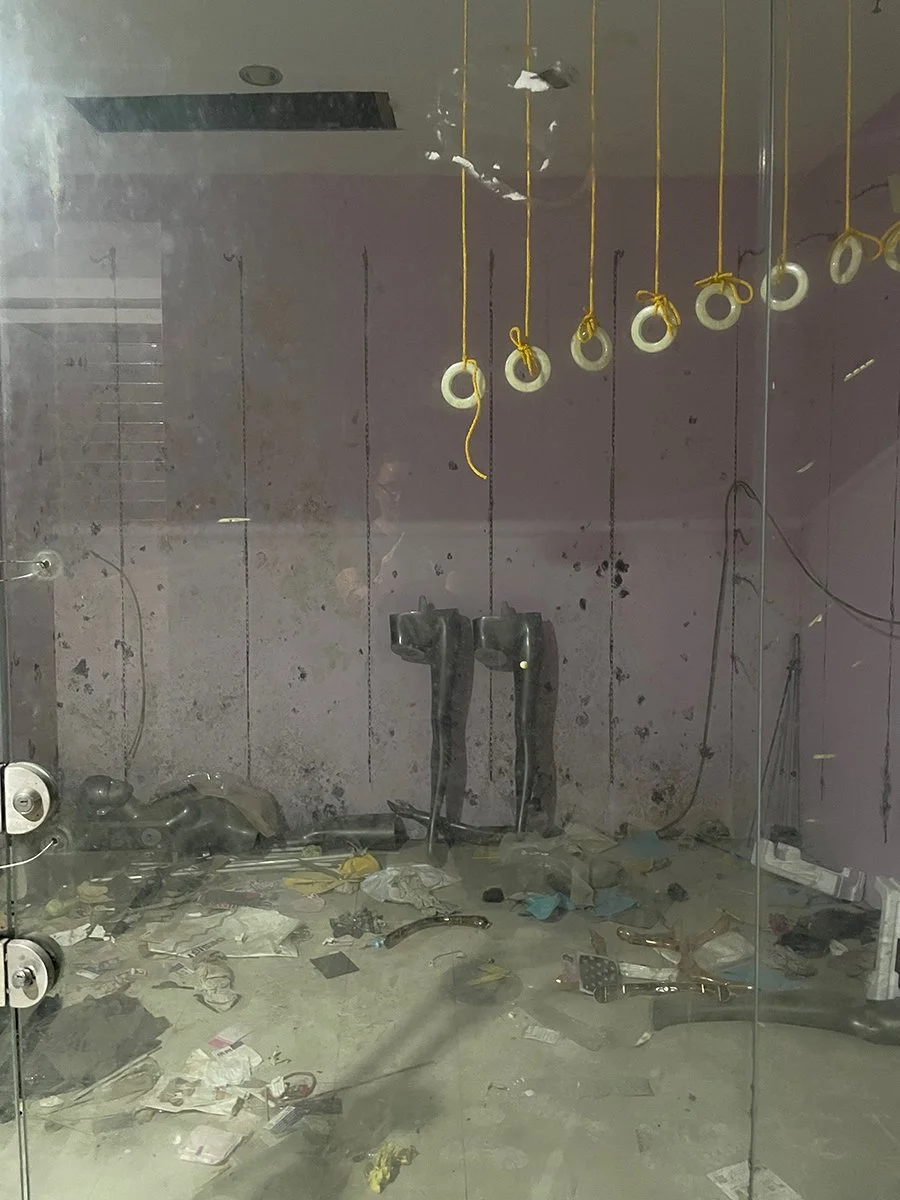
The abandoned, underground mall in Chengdu, China (©Deborah Clague).
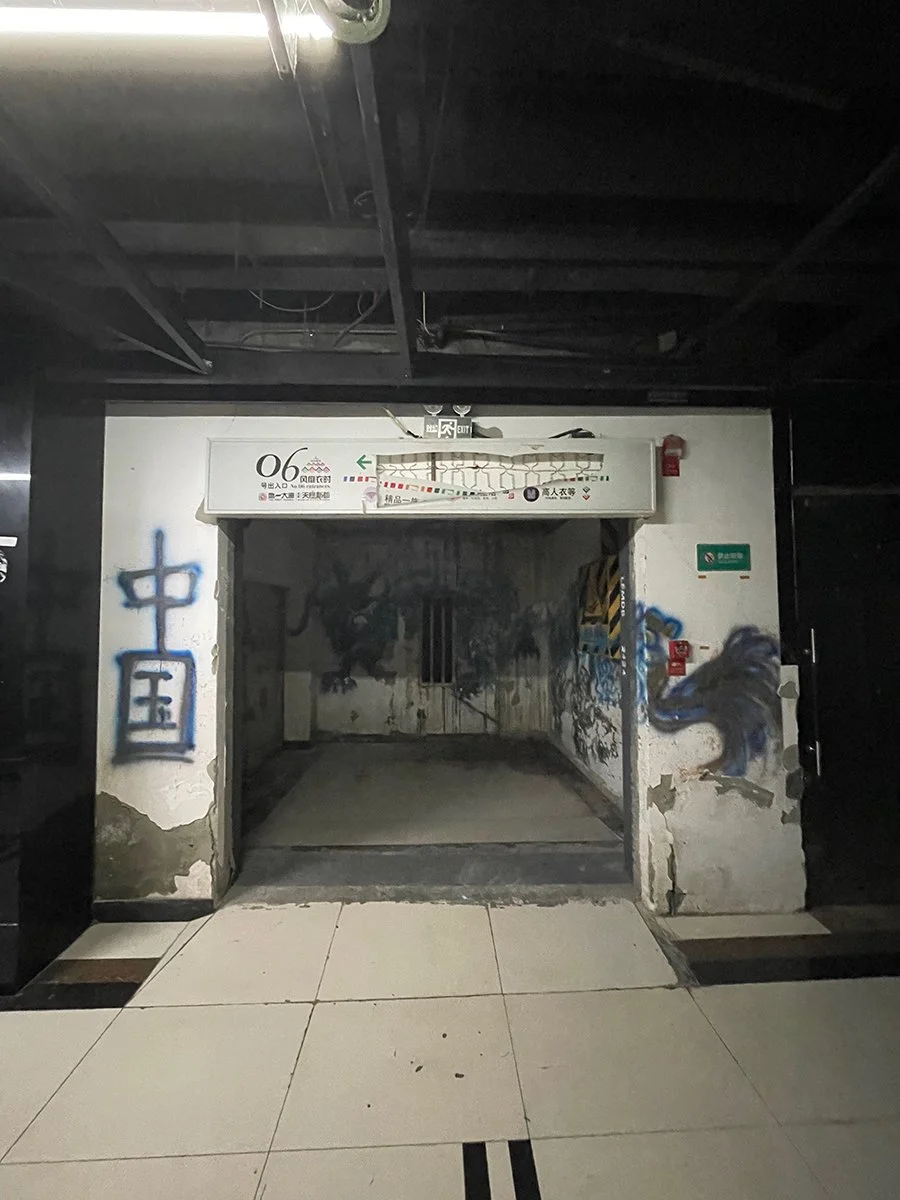
The abandoned, underground mall in Chengdu, China (©Deborah Clague).
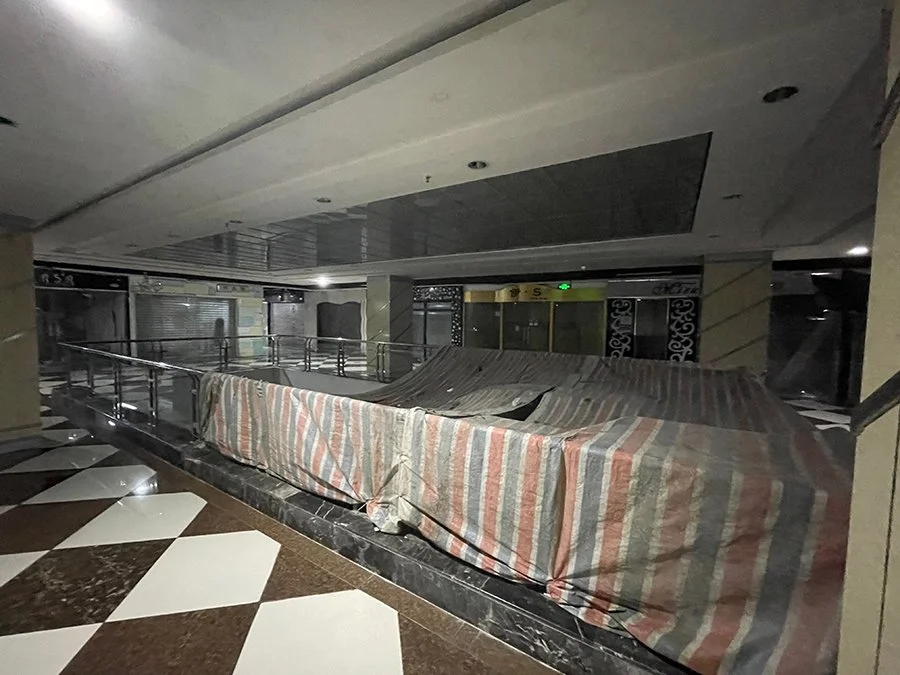
The abandoned, underground mall in Chengdu, China (©Deborah Clague).
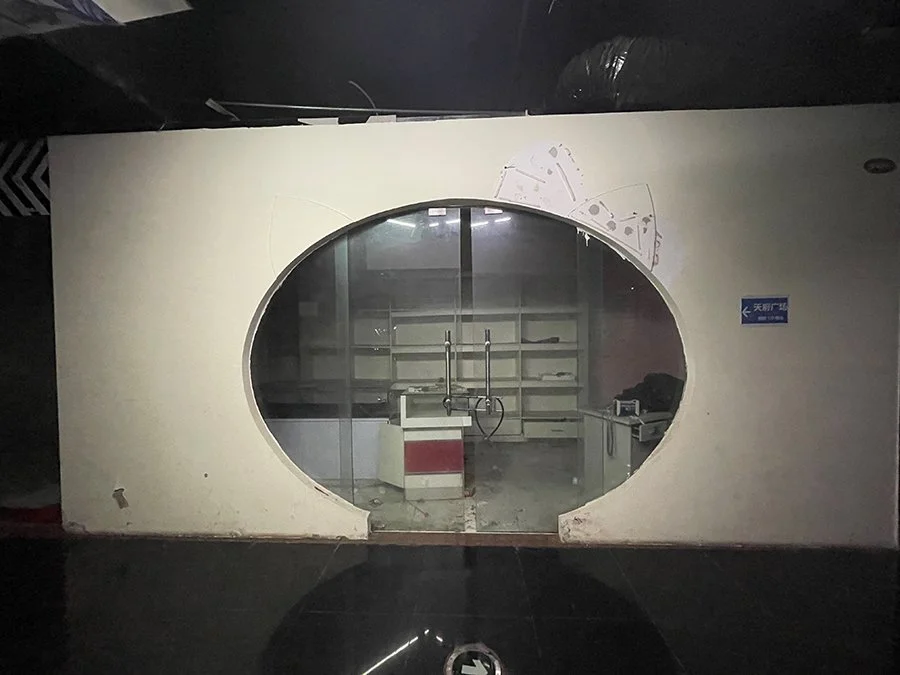
The abandoned, underground mall in Chengdu, China (©Deborah Clague).
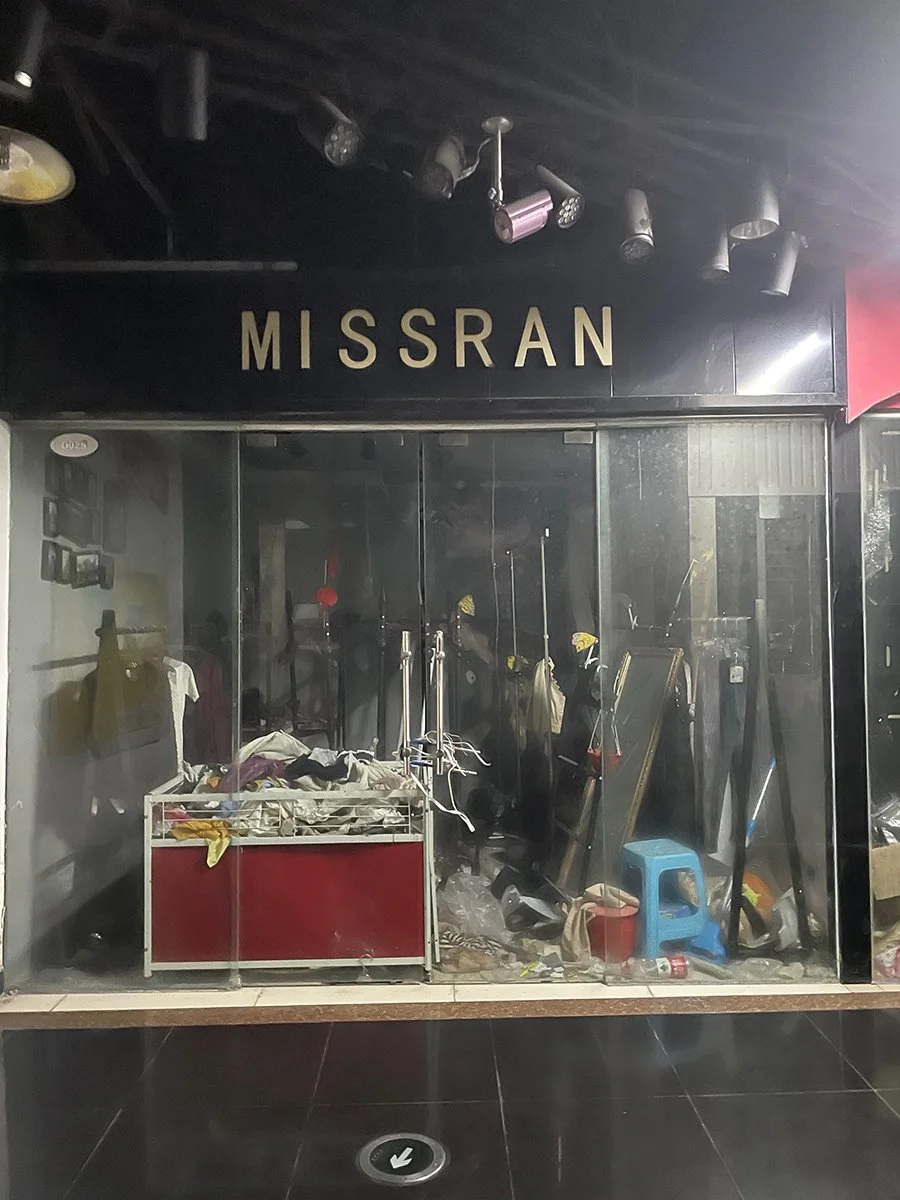
The abandoned, underground mall in Chengdu, China (©Deborah Clague).
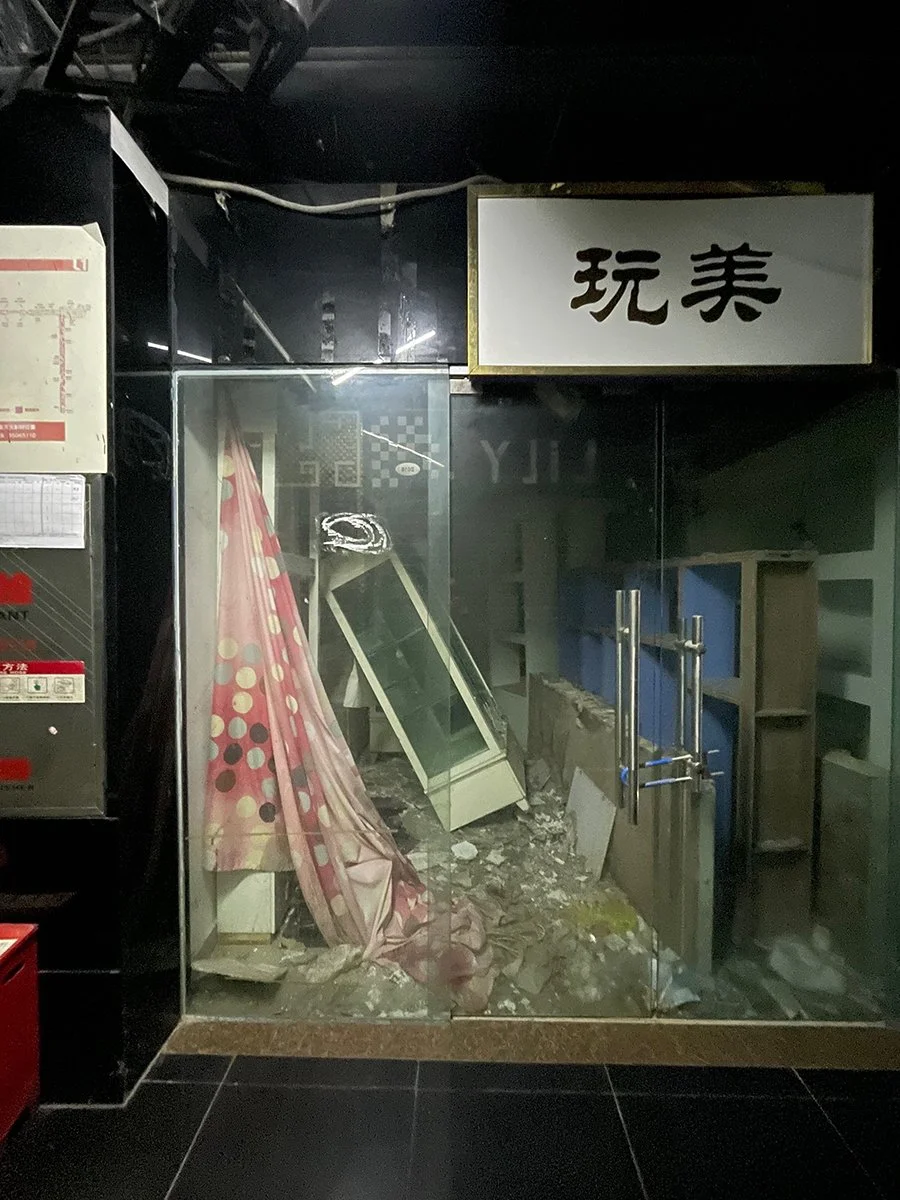
The abandoned, underground mall in Chengdu, China (©Deborah Clague).
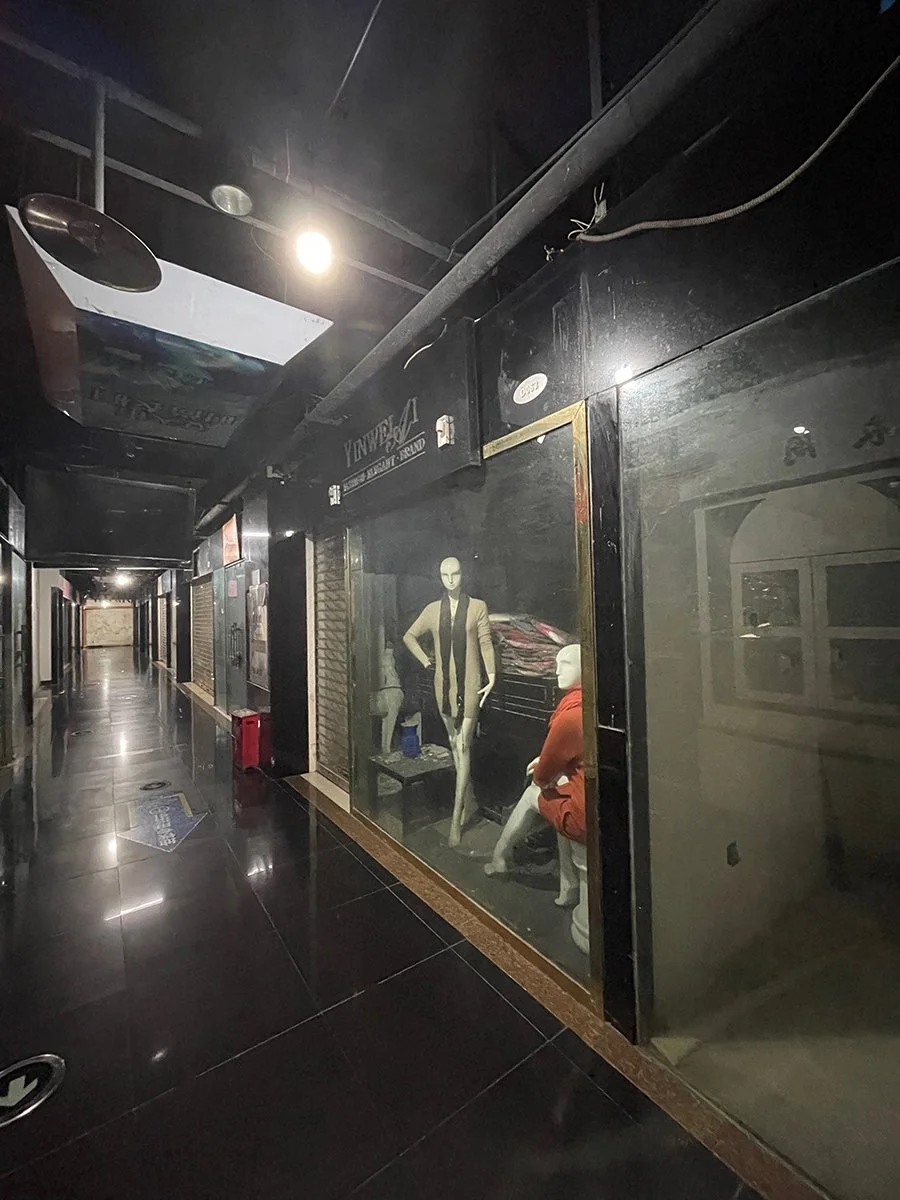
The abandoned, underground mall in Chengdu, China (©Deborah Clague).
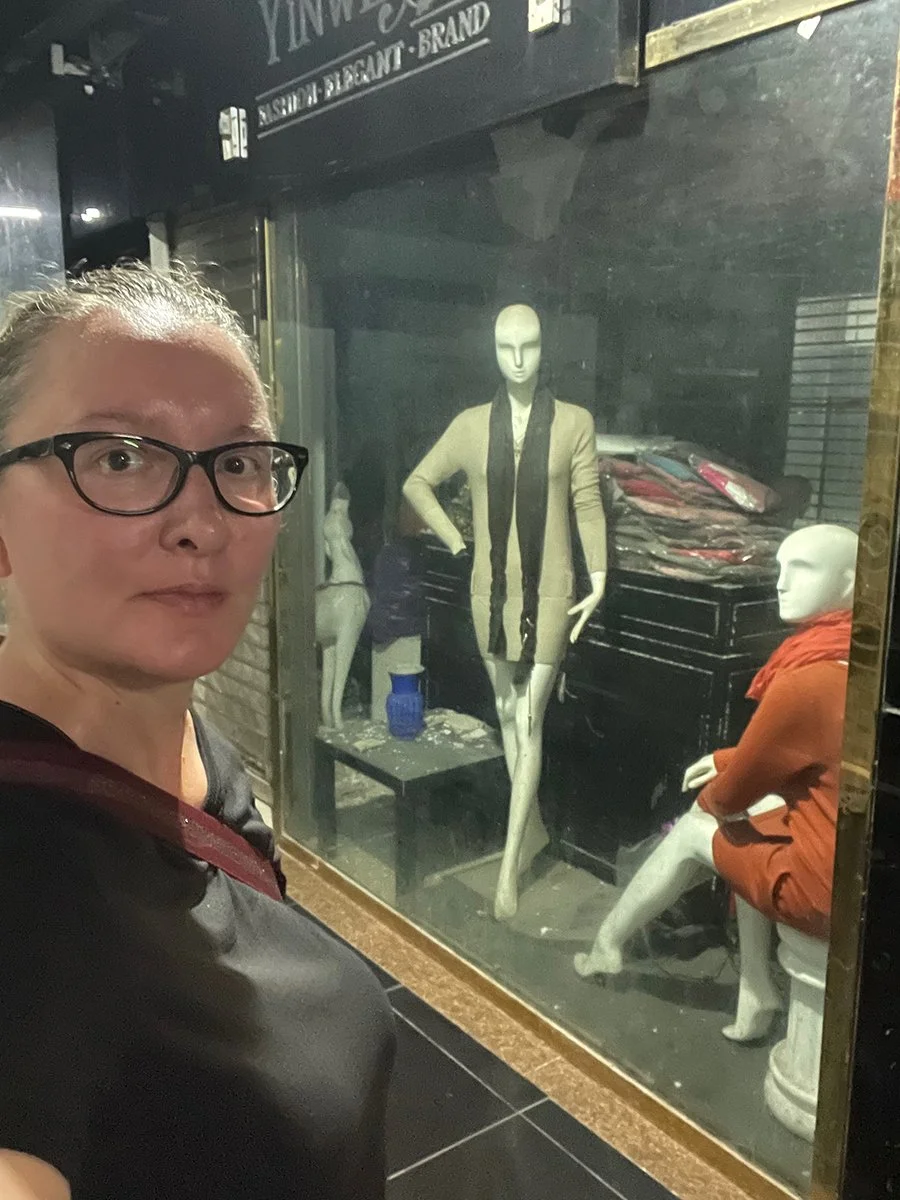
Selfie at the abandoned, underground mall in Chengdu, China (©Deborah Clague).
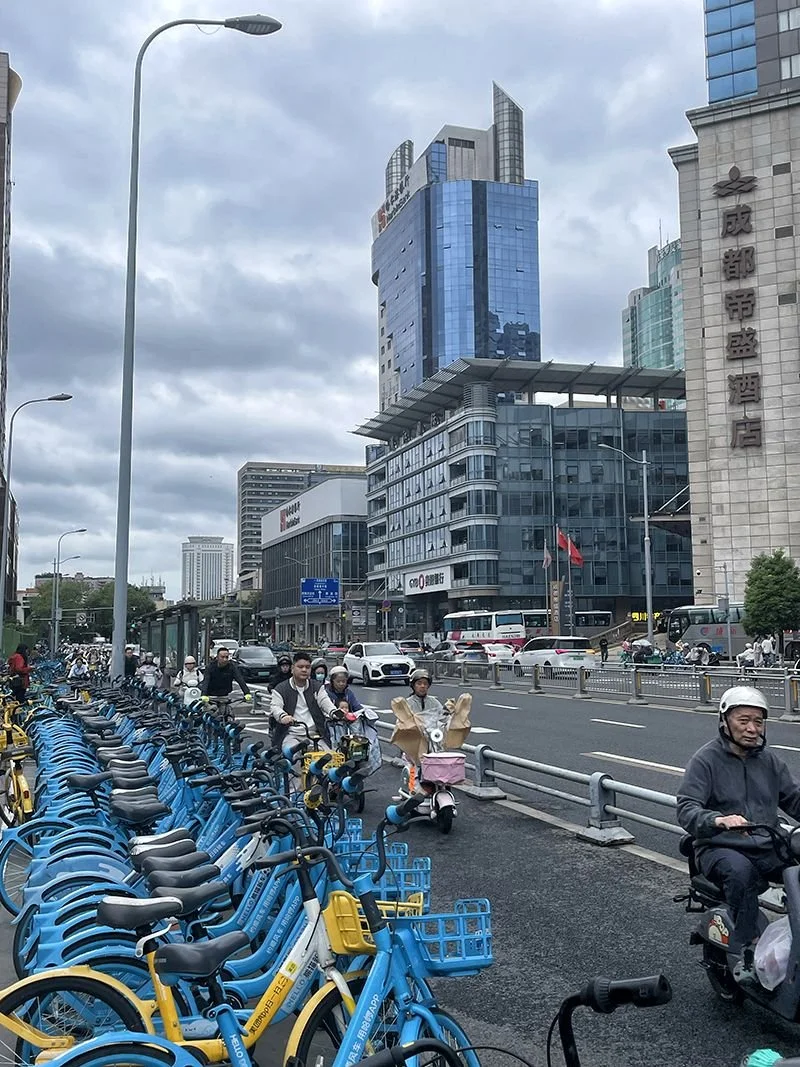
The evolution of Chengdu

While walking in Chengdu, I couldn’t believe I was there again. Twenty years ago, my father and I walked these same streets. It was a time before smartphones and personal GPS. A Lonely Planet guide was our bible and a physical English/Mandarin dictionary our most essential possession. We indulged in one night at the Crowne Plaza for a reset before the reality of our fiscal situation set in and we ended up at a $20/night hotel a few blocks away. There was a charm to the way we travelled that I haven’t lost today; wander and see what adventure unfolds. For my own midlife crisis trip though, frugality was out of the question.

I stayed at the Crowne Plaza again for the memory. Perhaps my father’s ghost would laugh at the absurdity of my return after the meltdown I had during our backpacking days or be impressed by his daughter traveling to the roof of the world to touch the stars. Regardless, the hotel was the perfect central location to explore anew. It looked the same, if a little dated. It was comfortable. I realize I could be talking about myself.

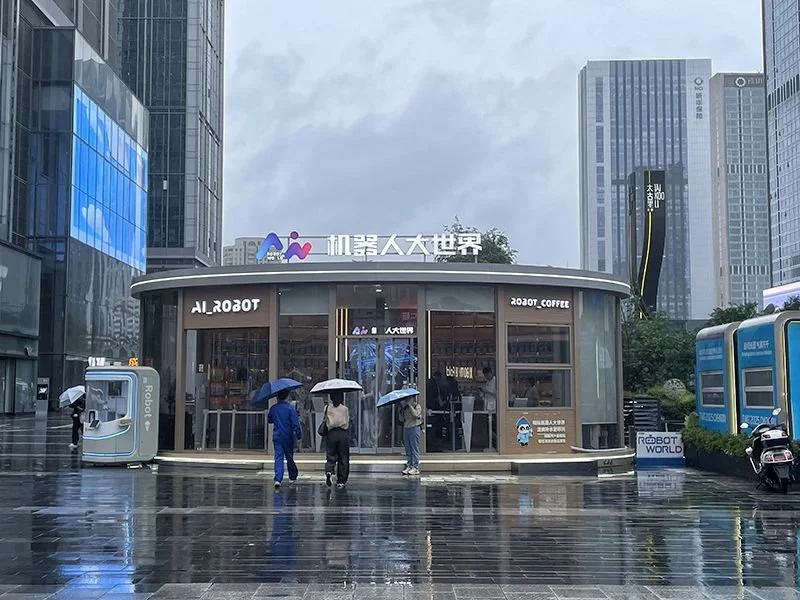
Most of the streets felt familiar but I was both shocked and impressed at how much Chengdu evolved in just two short decades. A robust metro system was constructed and opened in 2010. New developments filled with office towers and signs of residential wealth now increased the size of its perimeter. Luxury boutiques multipled. AI, robot cafés and 3D billboards were normalized. Even the pollution I could once taste on my lips was gone.

The speed at which China changes is unprecedented.


The walk to People’s Park was an adventure. Traffic did not change in China, although the sound of it did. One’s gait is forced to change when in this part of the world becoming more tense and stiff in anticipation of getting hit. It’s even scarier now that most vehicles are electric and you won’t even hear them coming. The worst has to be the Meituan delivery drivers hurriedly steering their silent motorbikes down the sidewalk mere inches from you in a race to meet their hourly quota. Your life for a timely and still warm bao.

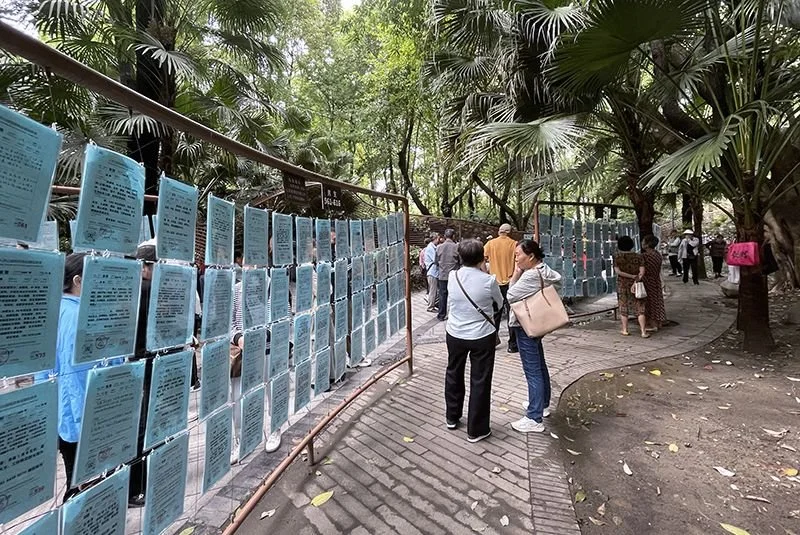
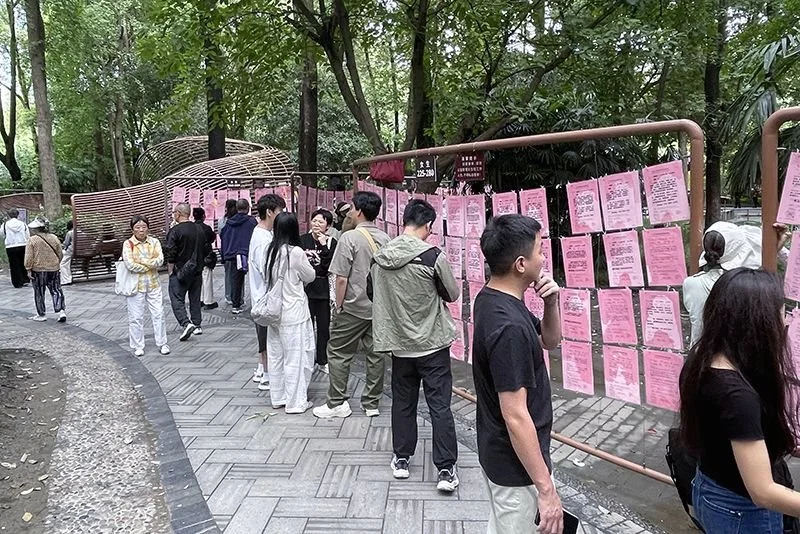
People’s Park is the central meeting hub of Chengdu. With gardens of varied flora and a number of tea houses, it is a relaxing (and very popular) place to spend an afternoon. It even has a “marriage market”; families post their loved one’s stats and the type of person they are seeking and then meet up at the park to broker a match. I was most interested in revisiting a small theme park my father and I discovered years ago though. Even wanted to ride the archaic bumper cars we once watched in delight. But despite being listed as still there, I couldn’t find it. It shall remain a nostalgic mirage.

After wandering for a few hours, I returned to my hotel and planned the next day. It would end up being one of the most memorable and unique experiences of my trip.

The streets of Chengdu, China (©Deborah Clague).

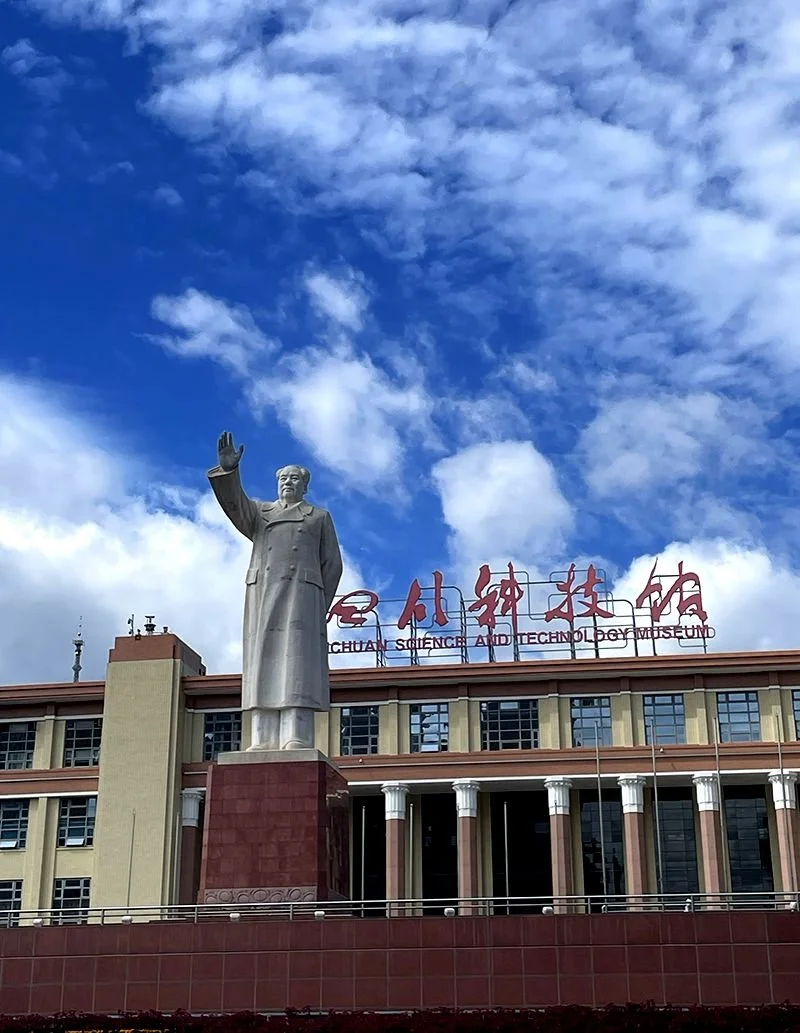
Statue of Mao salutes in front of the Sichuan Science and Technology Museum (©Deborah Clague).

People’s Park, Chengdu, China (©Deborah Clague).

The men’s section of the marriage market at People’s Park, Chengdu, China (©Deborah Clague).

The women’s section of the marriage market at People’s Park, Chengdu, China (©Deborah Clague).

Chengdu, China (©Deborah Clague).

Chengdu, China (©Deborah Clague).

Panda souvenirs are in abundance in Chengdu, China (©Deborah Clague).
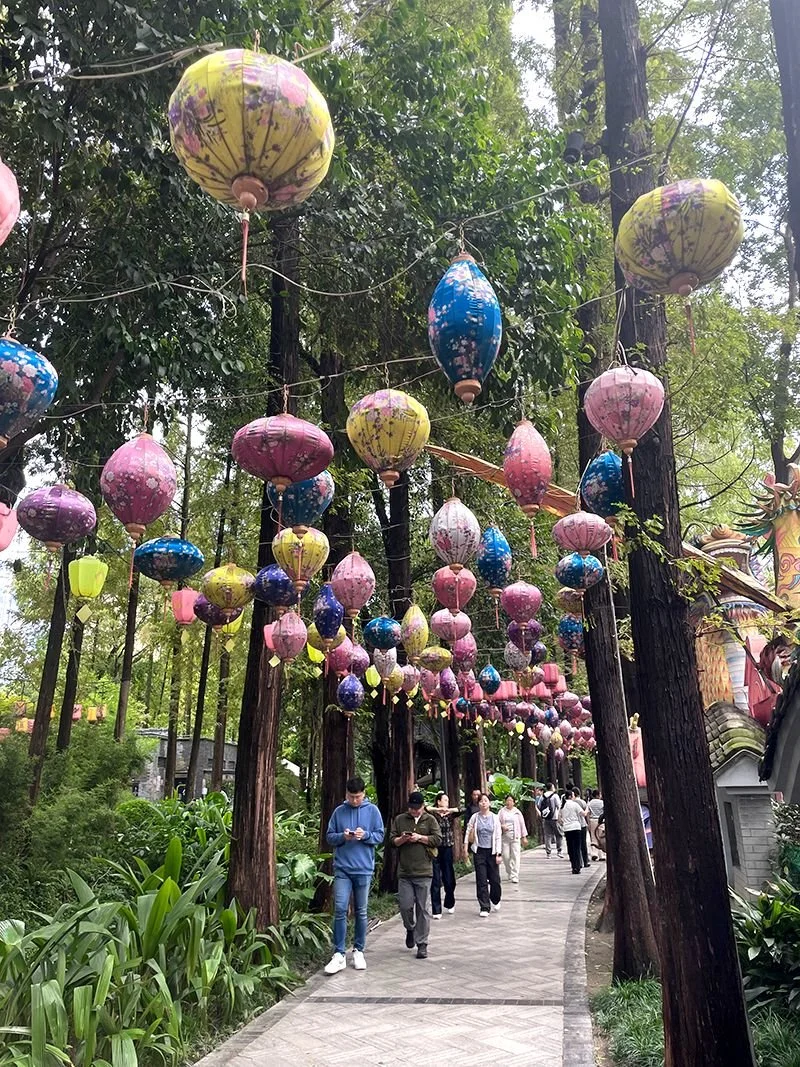
The Galactic Centre, Chengdu, China (©Deborah Clague).

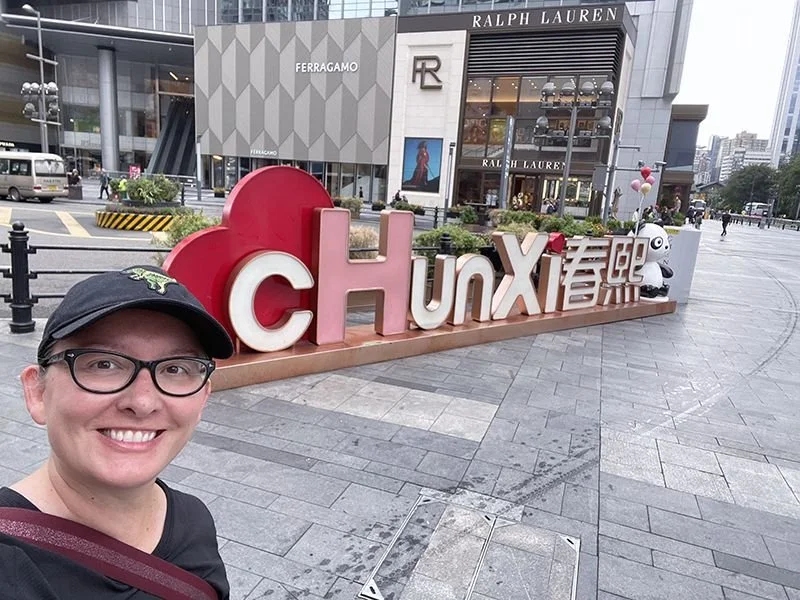
AI Robot Coffee cafe on Chunxi Road, Chengdu, China (©Deborah Clague).

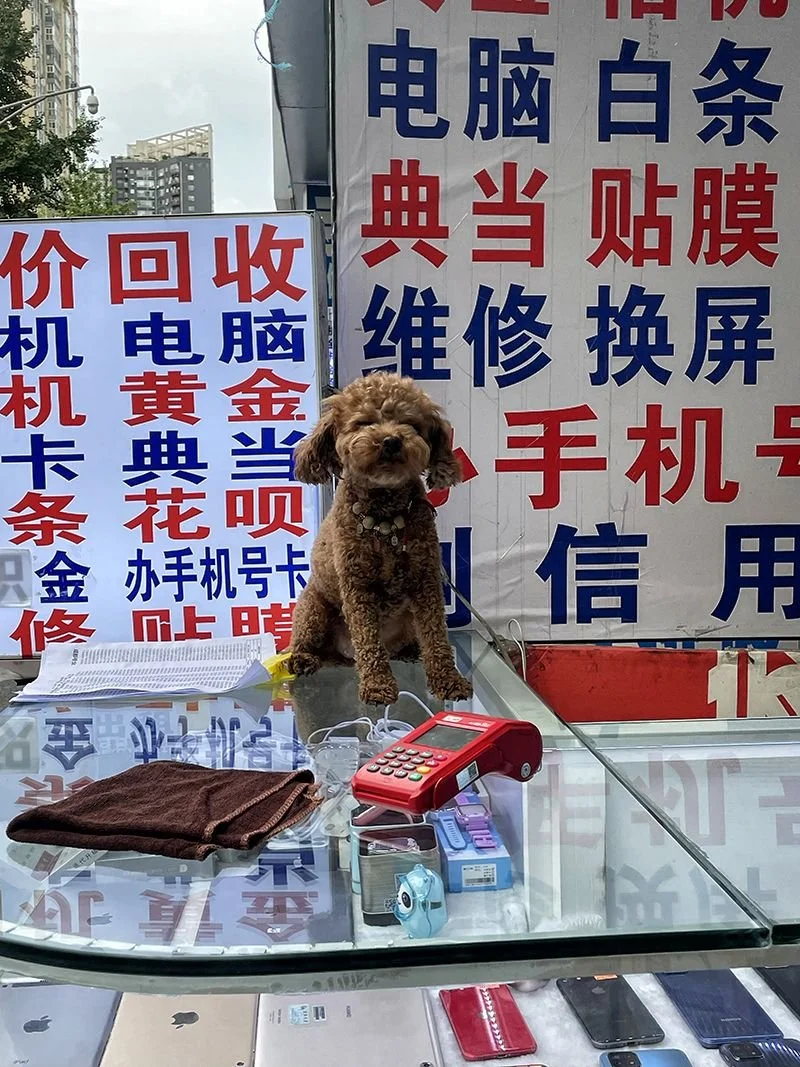
Cutie, Chengdu, China (©Deborah Clague). He was ready to attack but owner called him off to let me snap a pic.

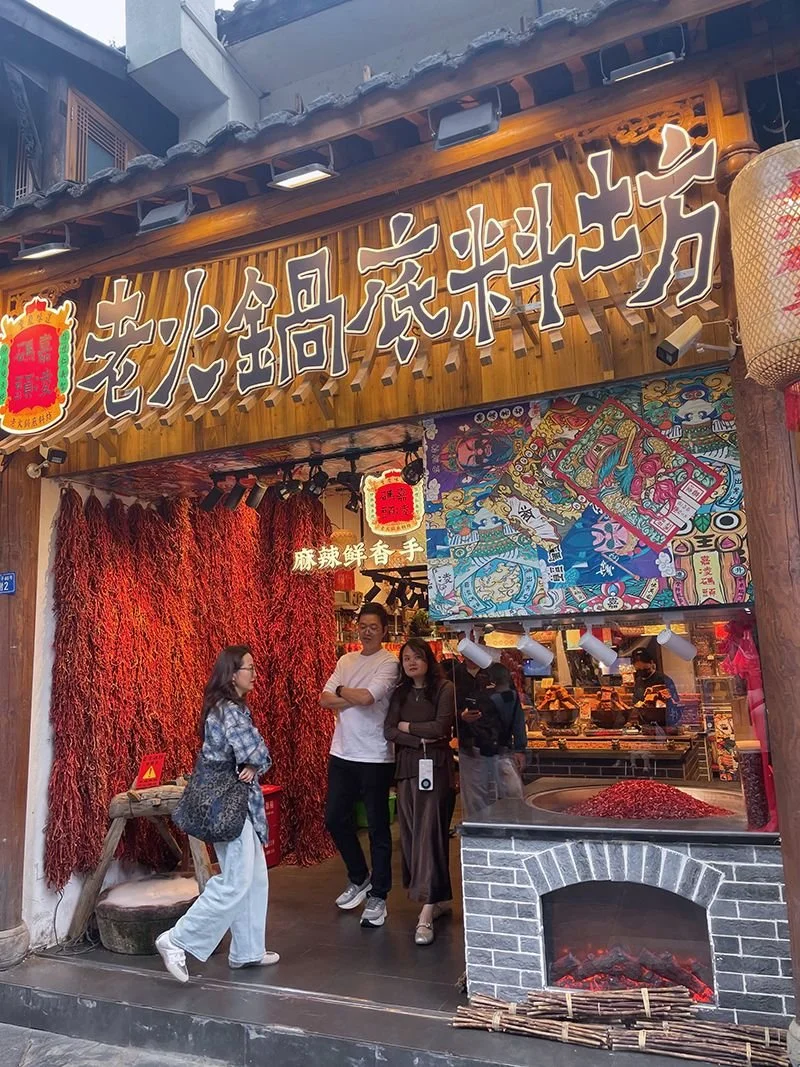
One of many Sichuan pepper stores selling hot pot base and other spices in Chengdu, China (©Deborah Clague).
Kuanzhai Alley, Chengdu, China (©Deborah Clague).

Chengdu, China (©Deborah Clague).

Louis Vuitton store in Tai Koo Li, Chengdu, China (©Deborah Clague).

Wig shop, Chengdu, China (©Deborah Clague).

Chunxi Road shopping area, Chengdu, China (©Deborah Clague).

A panda peers at the street nightlife in Chengdu, China (©Deborah Clague).
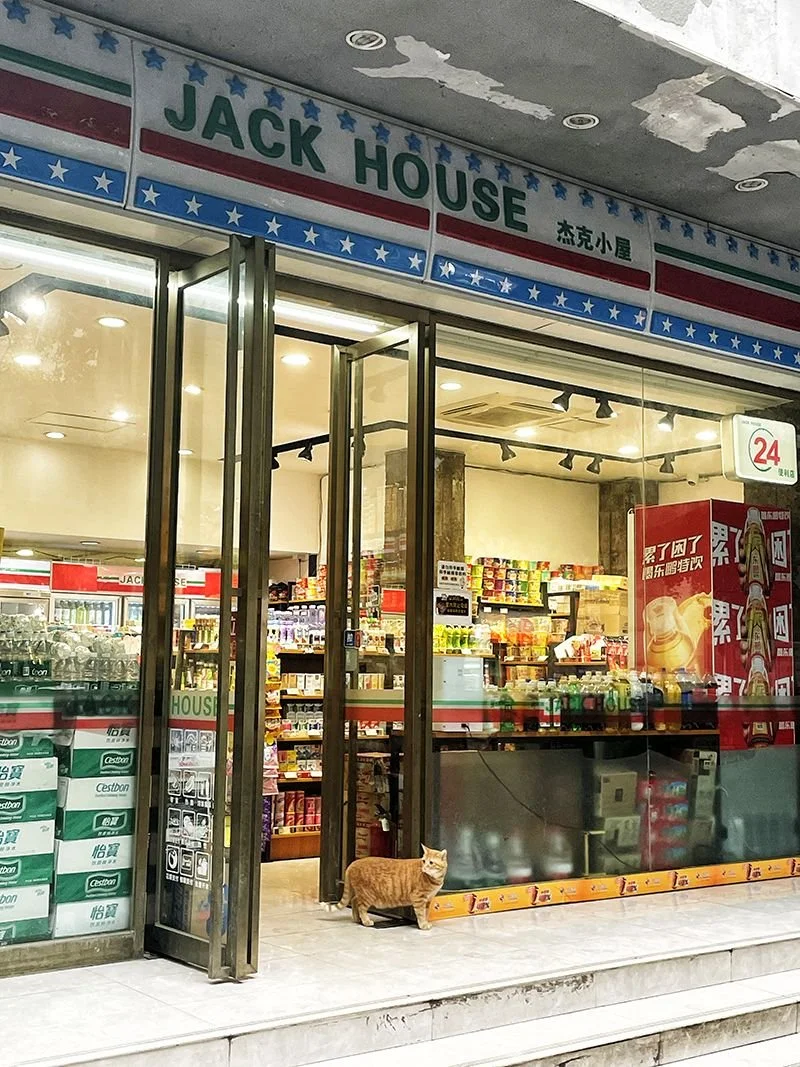
Convenience store, Chengdu, China (©Deborah Clague).
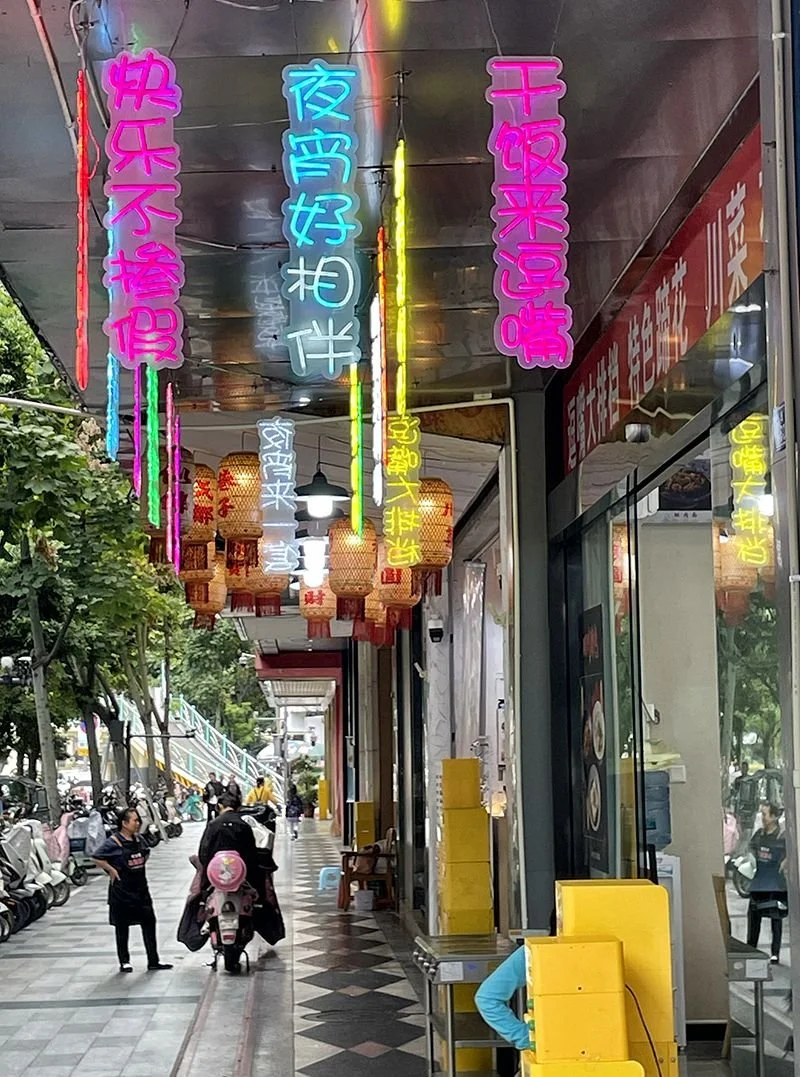
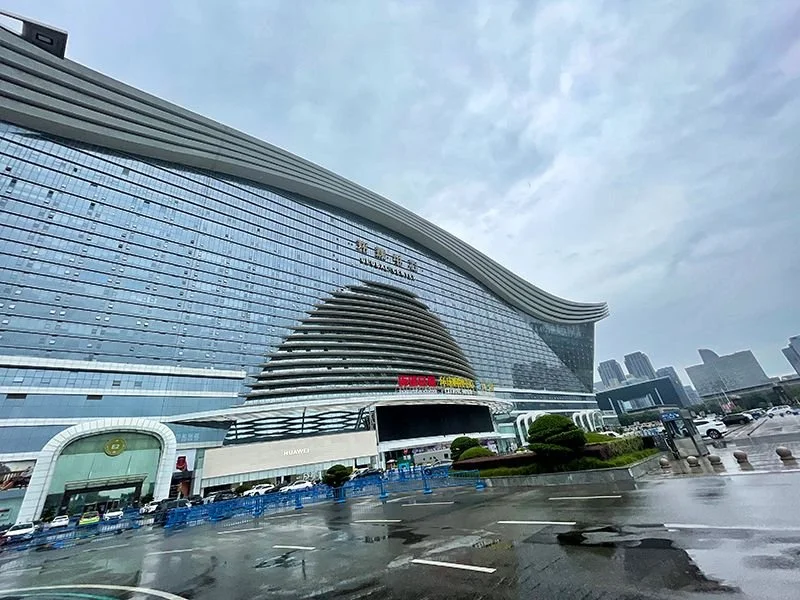
Chengdu’s Global Centre, one of the biggest buildings in the world (©Deborah Clague). It houses residential, commercial, and post-secondary spaces, along with a large wave pool and artificial sun.

Arcade at the Global Centre, Chengdu, China (©Deborah Clague).
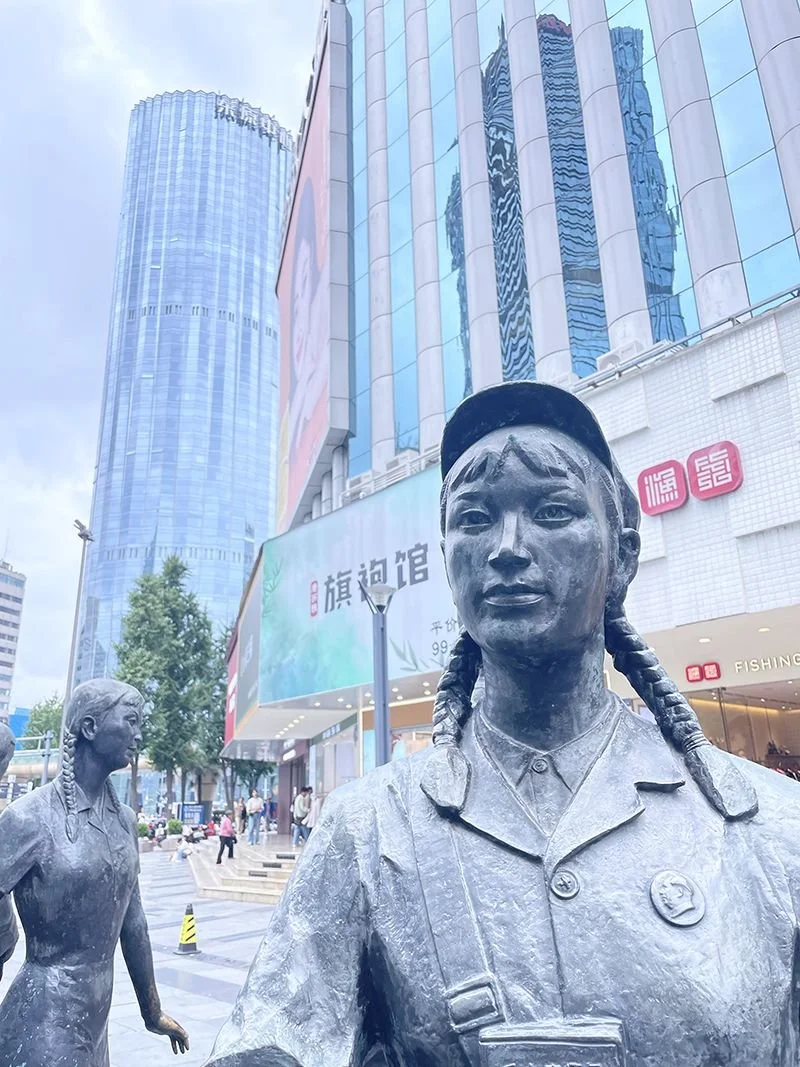
Historic alleyway, Chunxi Road shopping area, Chengdu, China (©Deborah Clague).
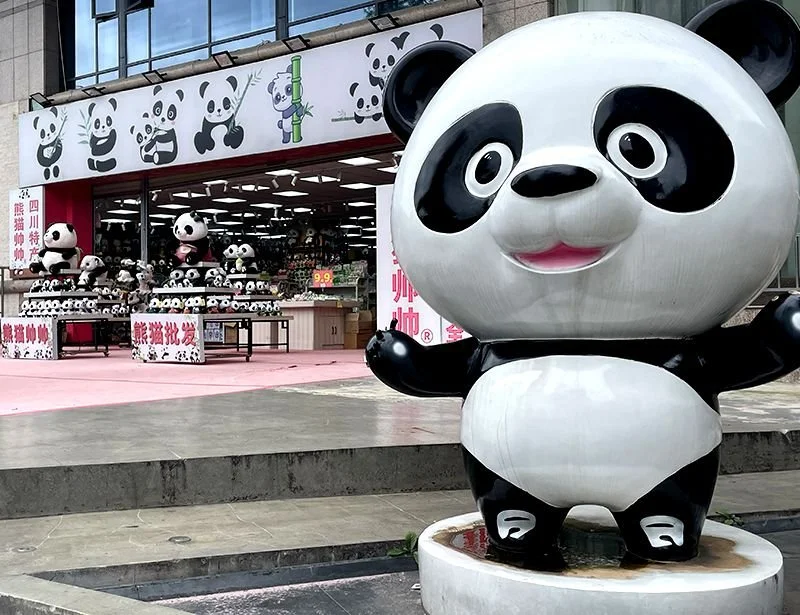
Chunxi Road shopping area, Chengdu, China (©Deborah Clague).
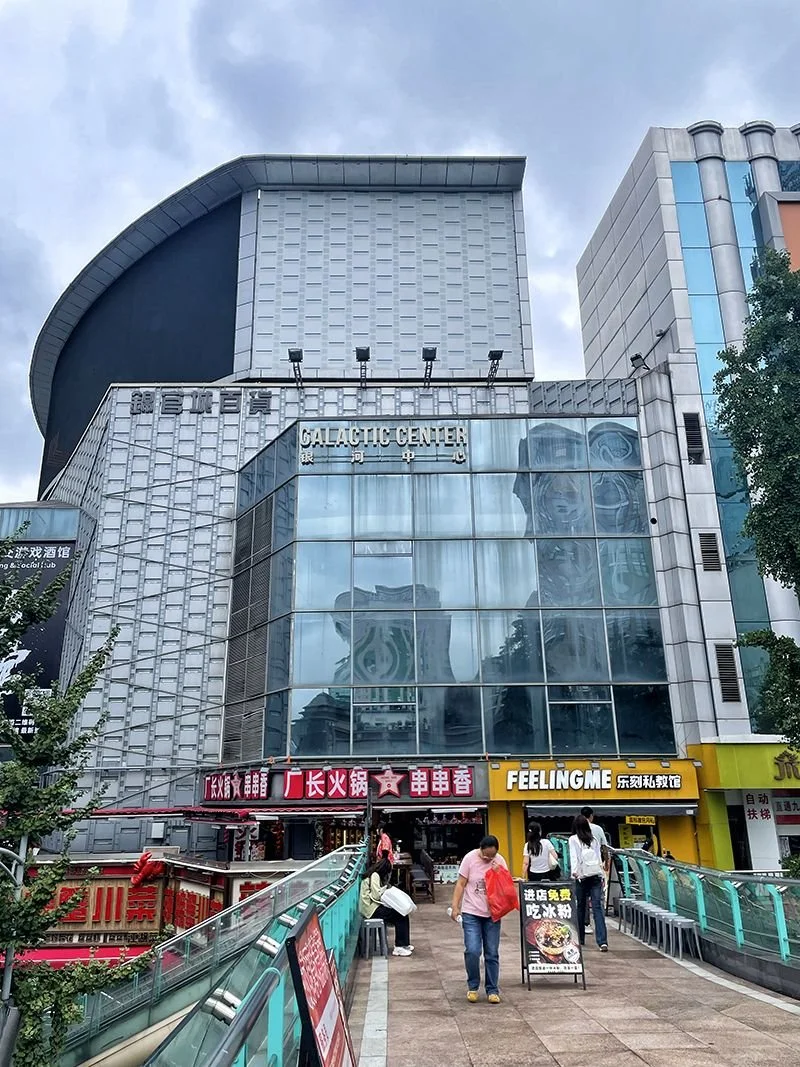
Chunxi Road shopping area, Chengdu, China (©Deborah Clague).
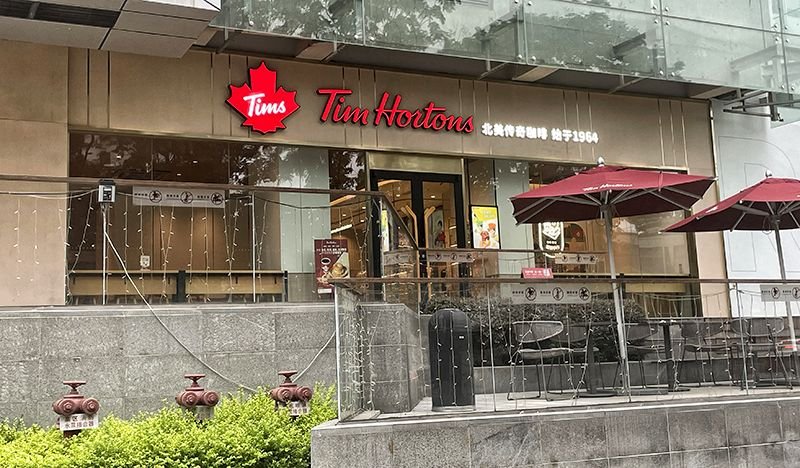
Tim Hortons in Chengdu, China (©Deborah Clague).
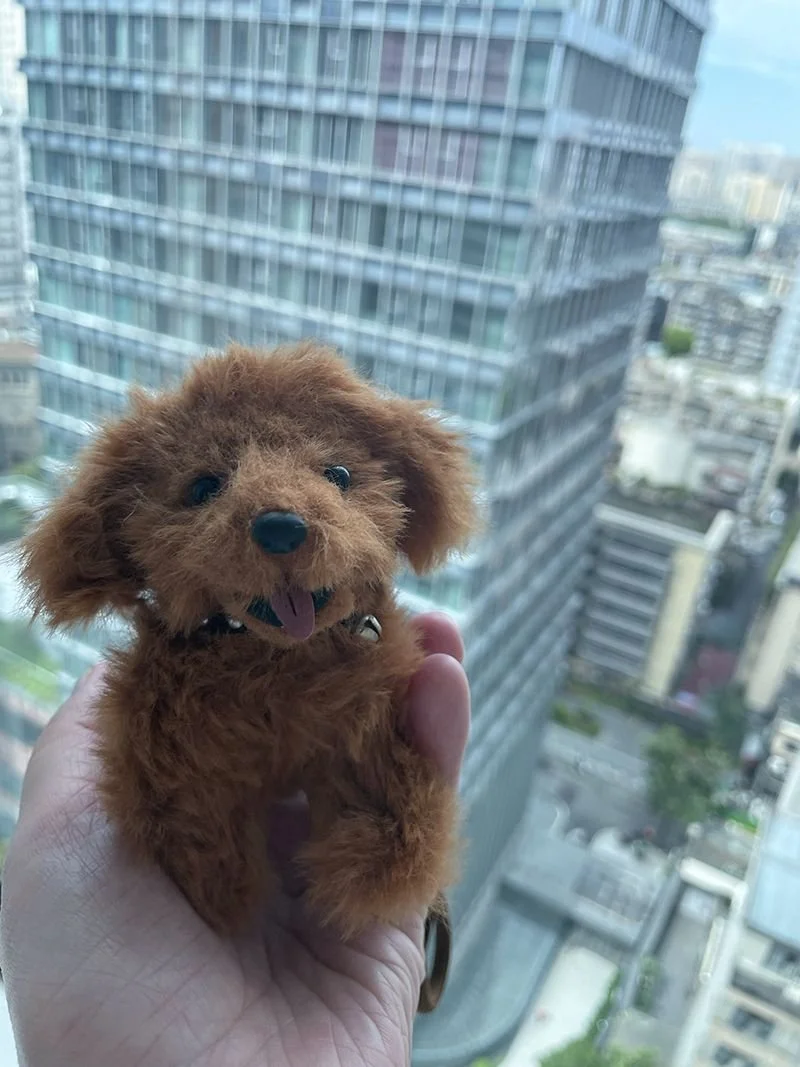
How could I not buy this? A miniature Ham-esque bag charm (©Deborah Clague).

Embodied Intelligence Laboratory robot cafe, Chengdu, China (©Deborah Clague).
3D billboard, Chunxi Road, Chengdu, China (©Deborah Clague).
You met me at a very Chinese time in my life

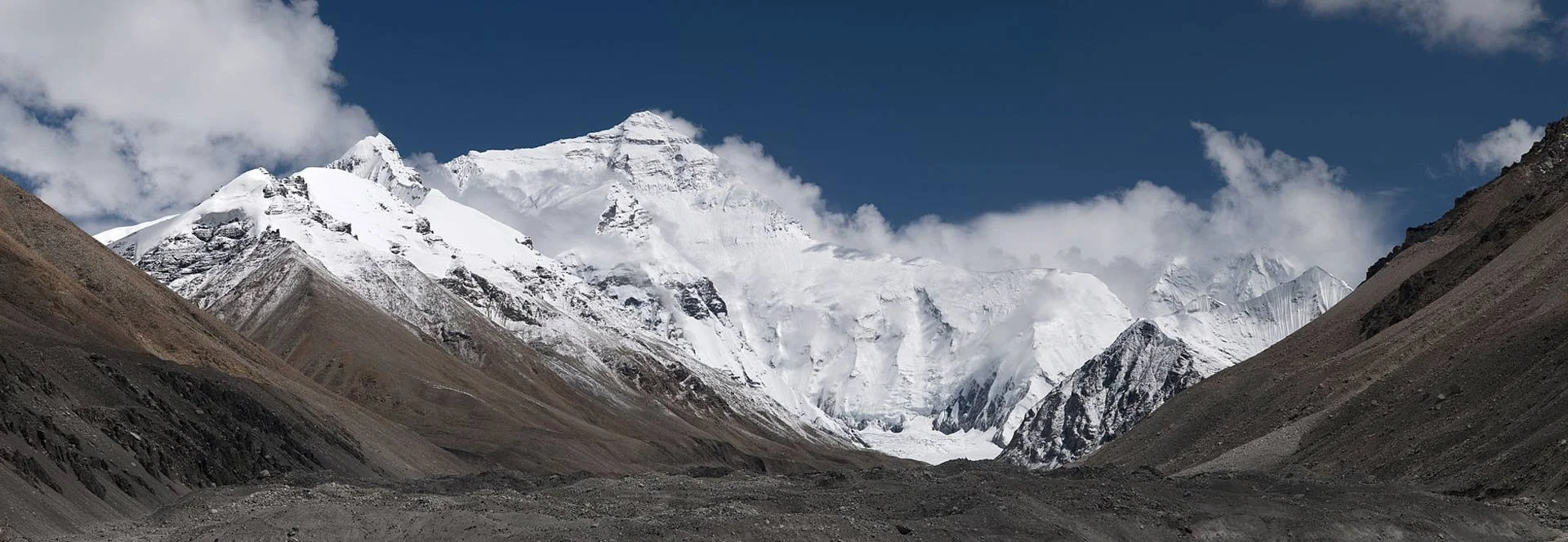
January 18, 2026: Deposit paid. Midlife crisis trip booked. Months of research now an official countdown to Fall, the season in which the monsoons start to dissipate thus granting the best possibility of seeing the peak of Everest from its base camp in Tibet.


August 26, 2026: With just over a week until I depart on my Himalayan adventure, I wake up to the news that a glacier collapse has devastated the Tibet-Nepal border at Gyirong Port. Footage of the disaster is shocking and a stark reminder of how dangerous and unforgiving nature can be. I stay glued to this news for days, feeling sick to my stomach.

The region I am visiting is 350km away and I debate cancelling this portion of my trip but decide to wait until I receive official word from the tour company I booked with. No updates are provided.


September 9, 2026: Just before midnight local time, I land in Chengdu, China after a very long day of nineteen hours in air.

With its warm, welcoming people and laidback vibe, Chengdu is a highlight and probably my favourite city in China. Chengdu is also one of the world’s premier UNESCO Creative Cities of Gastronomy, showcasing the best of Sichuan cuisine at its over 60,000 restaurants and food stalls. After a long slumber in a comfortable bed, I took the opportunity to try some of the unique fare found here.

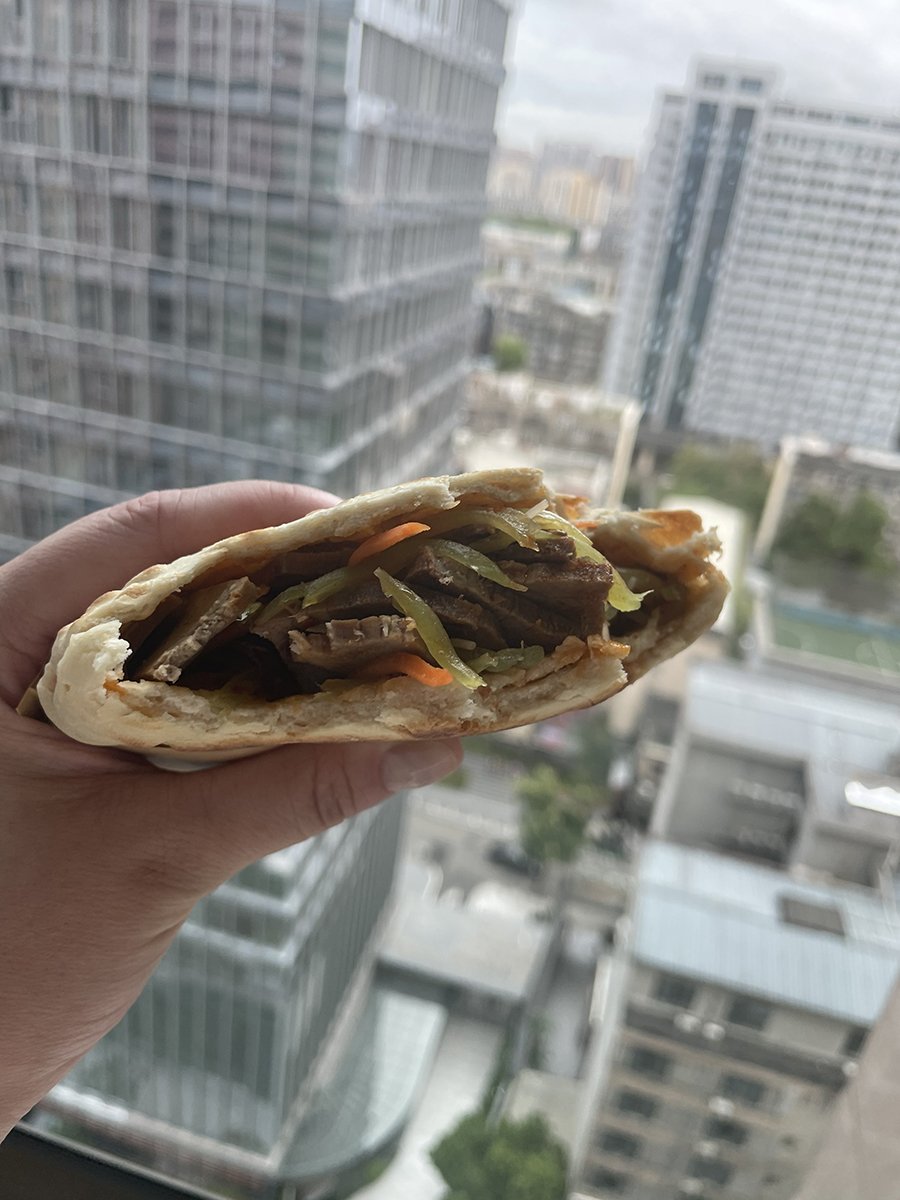
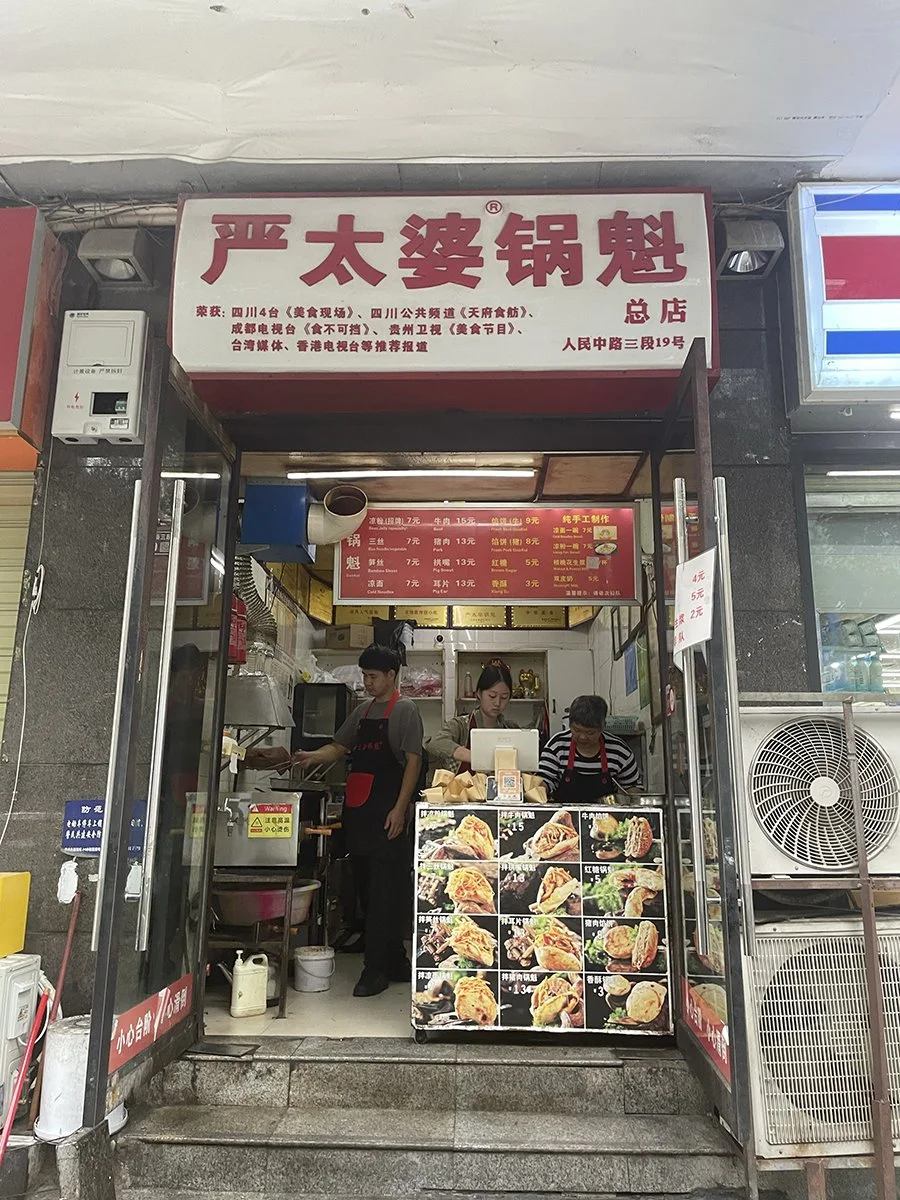
First up is a small, local shop called Yan Taipo Guokui that many people have been raving about online. Their specialty is crispy buns stuffed with savoury or sweet fillings. About a 40-minute walk from the Crowne Plaza where I was staying – easily navigable by AMap – I ordered one beef (cost ¥15/$3.20cad) and one brown sugar (¥5/$1.05cad). The latter was decent but I probably wouldn’t repurchase because I much more thoroughly enjoyed the savoury option that was filled with succulent beef, pickled vegetables, and a tongue-numbing amount of Sichuan chilli oil that hit just right. It was absolutely delicious.

Beef bun from Yan Taipo Guokui, Chengdu, China (©Deborah Clague).
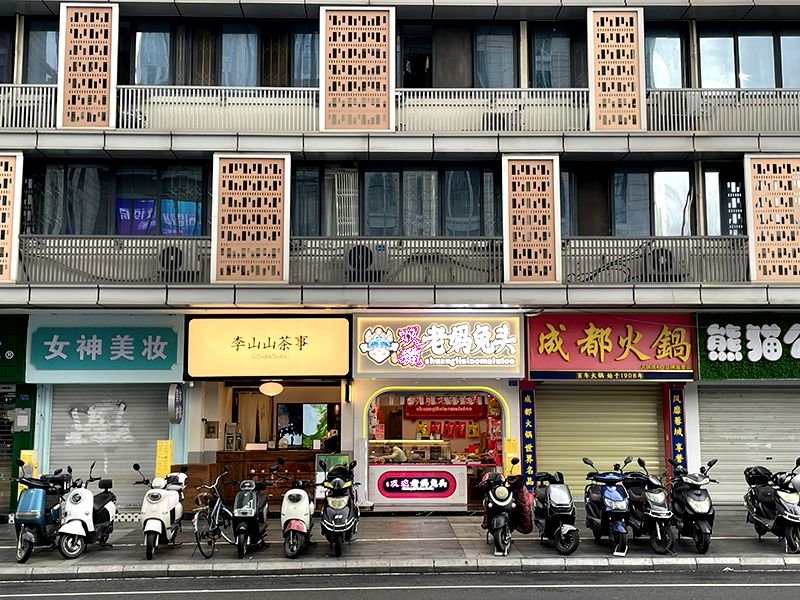
Exterior of Yan Taipo Guokui, Chengdu, China (©Deborah Clague).
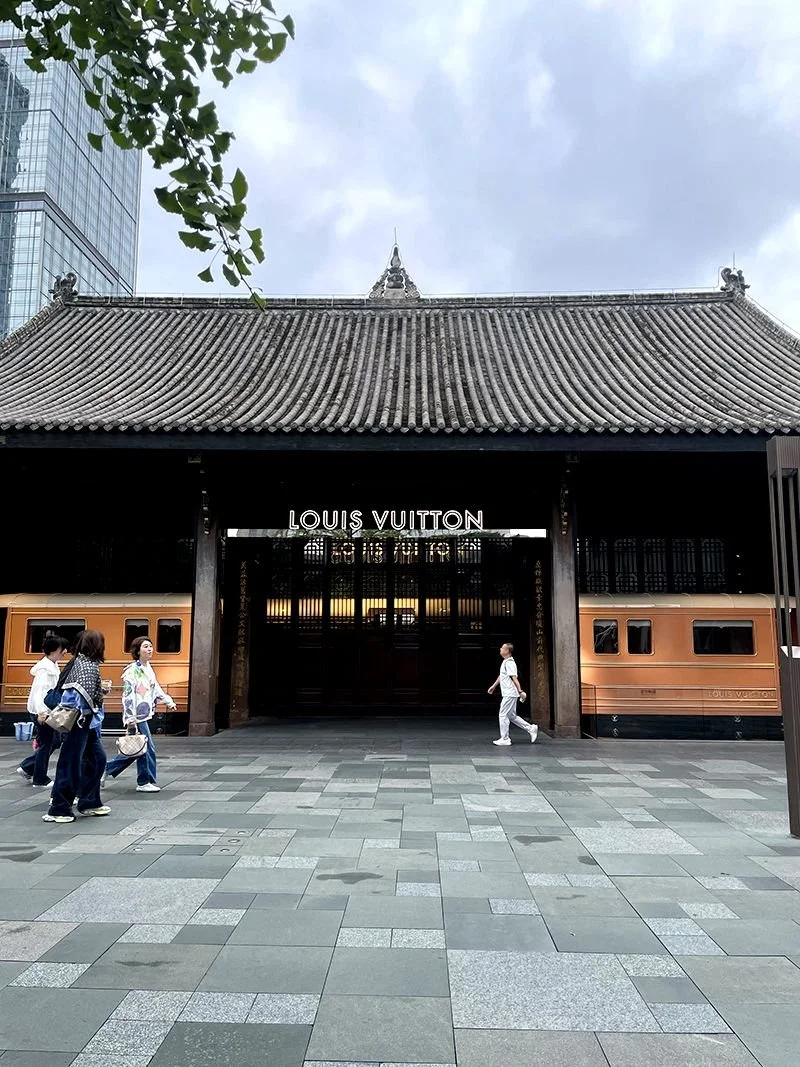

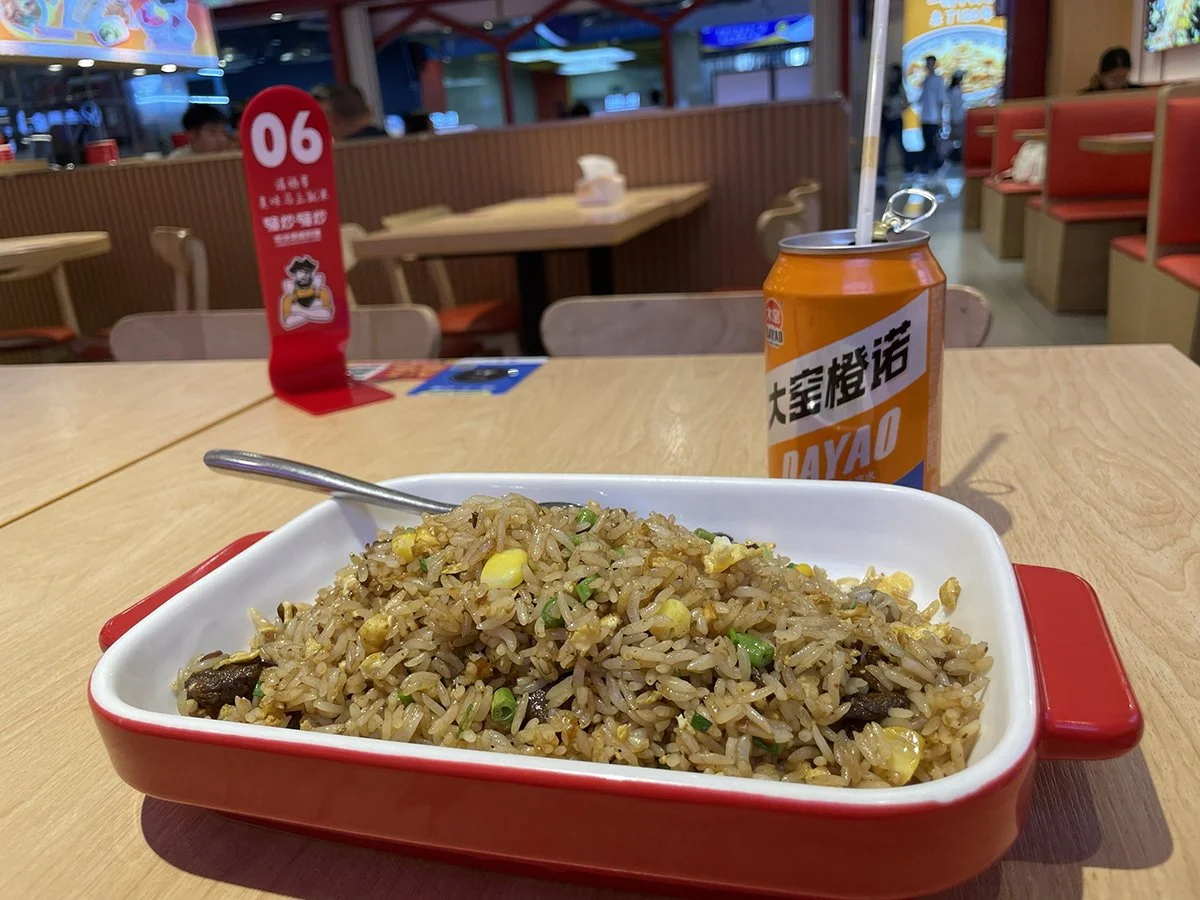
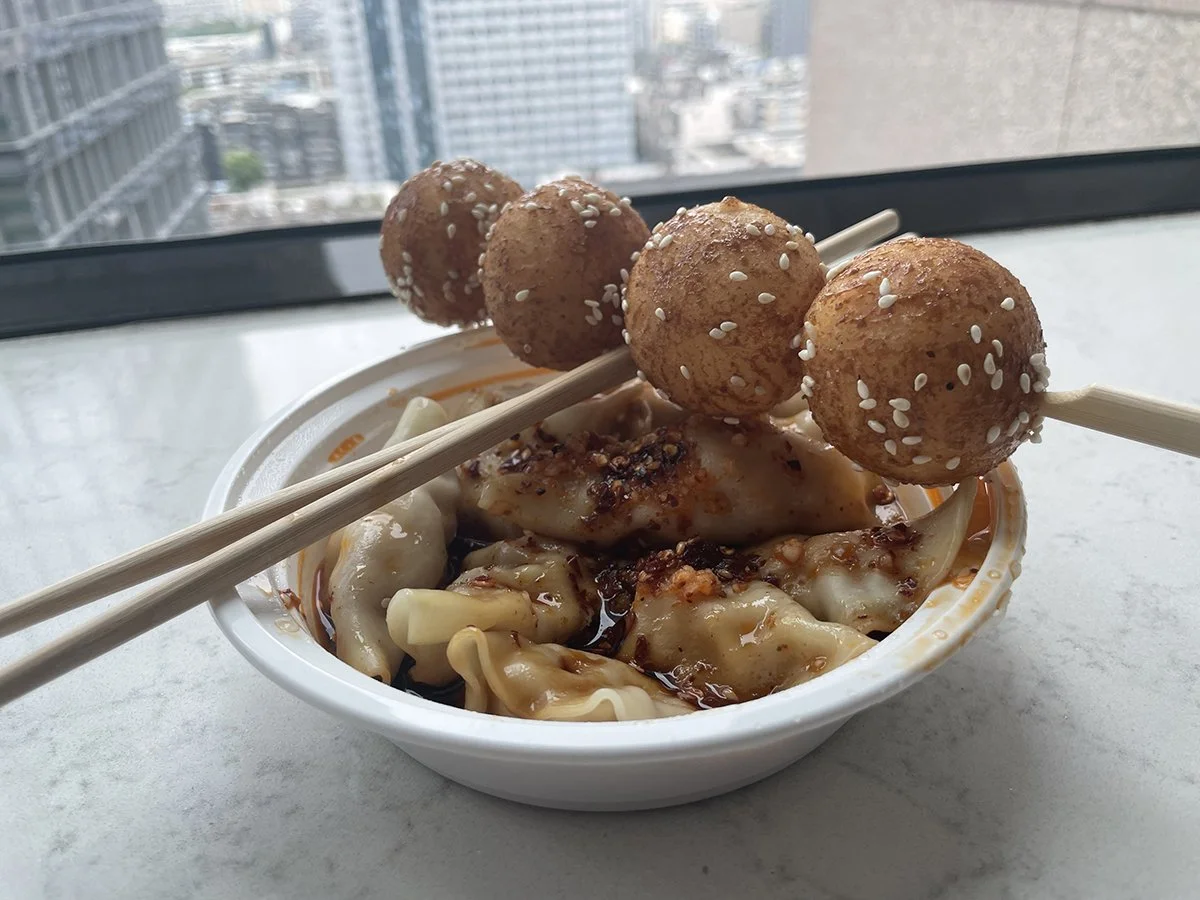
Not only does China have amazing cuisine but it is unbelievably affordable. For most of the duration of my trip, I paid less than $5cad per meal. A large plate of snow beef fried rice was ¥17.9/$3.80cad. Zhong Dumplings, pork-filled and covered with Sichuan chilli oil and fresh garlic, one of the most delicious items I’ve ever eaten in my life, were only ¥20/$4.25cad. And classic dish Chongqing Noodles were so good, I ordered it multiple times at only ¥17.9/$3.80cad.

The food made this trip extra memorable and reason to return again one day.

Snow beef fried rice, Chengdu, China (©Deborah Clague).
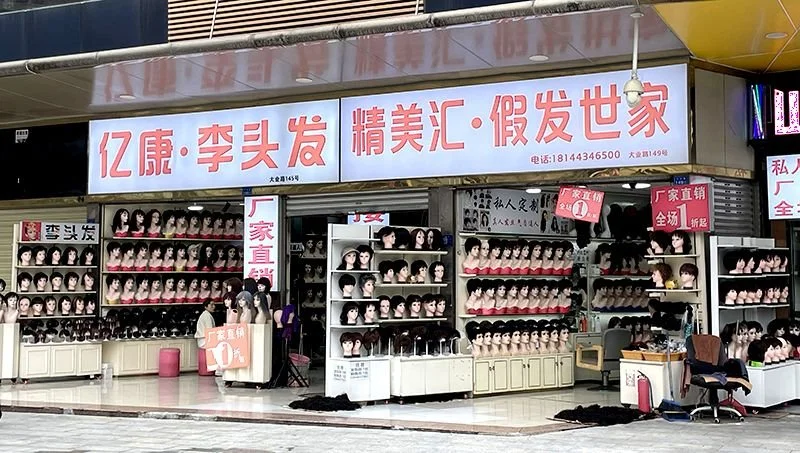
Zhong Dumplings with rice balls, literally one of the best meals I’ve ever had in my life. Chengdu, China (©Deborah Clague).
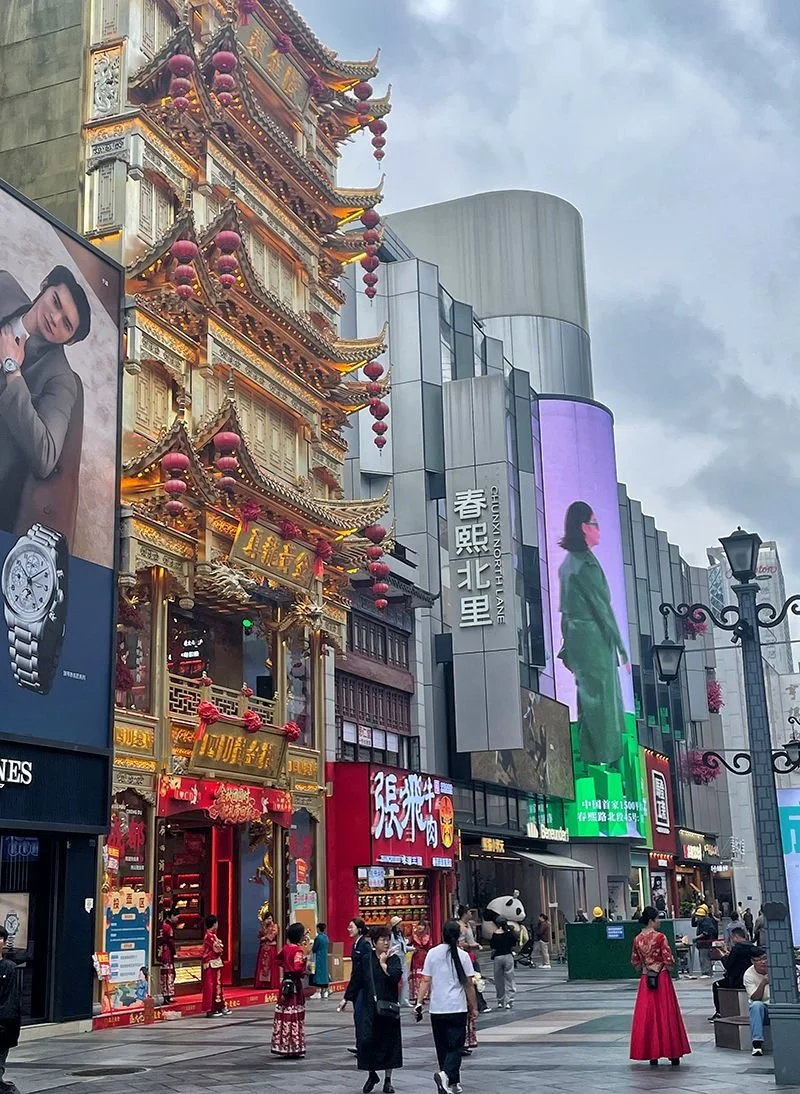
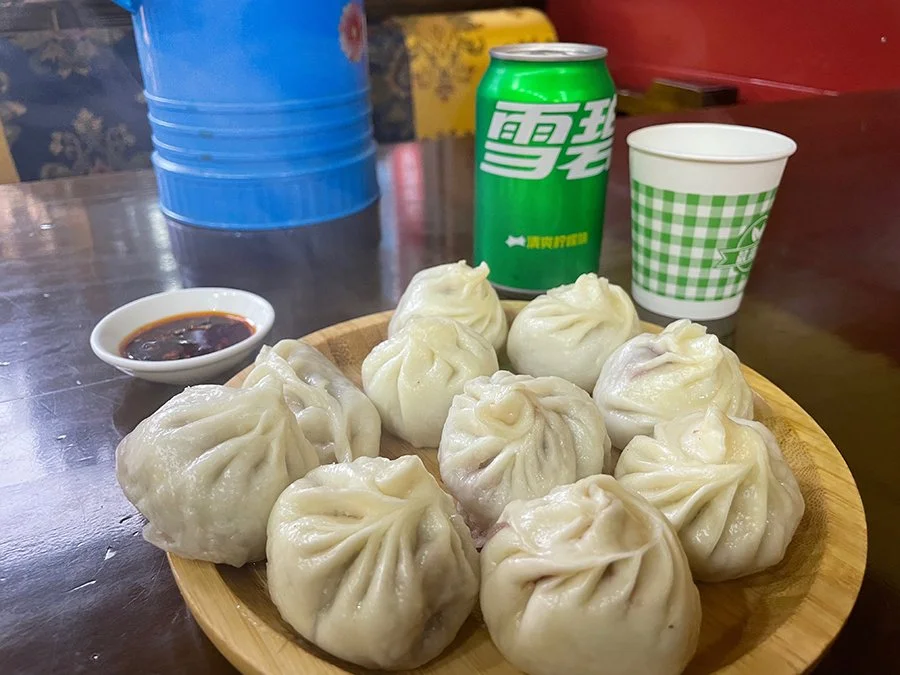
Yak beef dumplings, Lhasa, Tibet (©Deborah Clague). Cost was ¥20/$4.25cad.

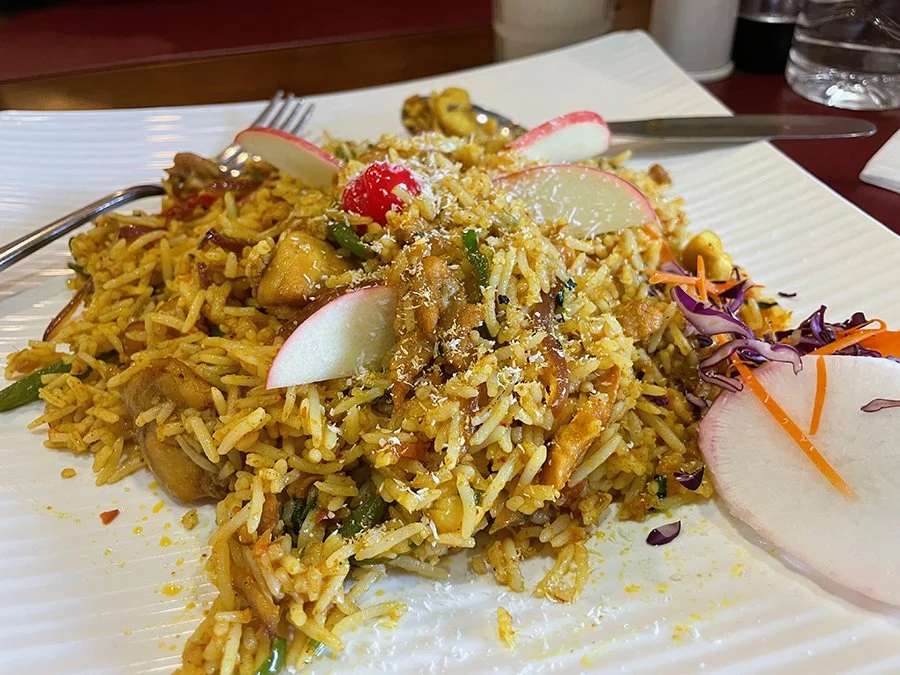
Chicken biriyani (my favourite food!) from Lhasa Kitchen, Lhasa, Tibet (©Deborah Clague). Cost was ¥20/$4.25cad.

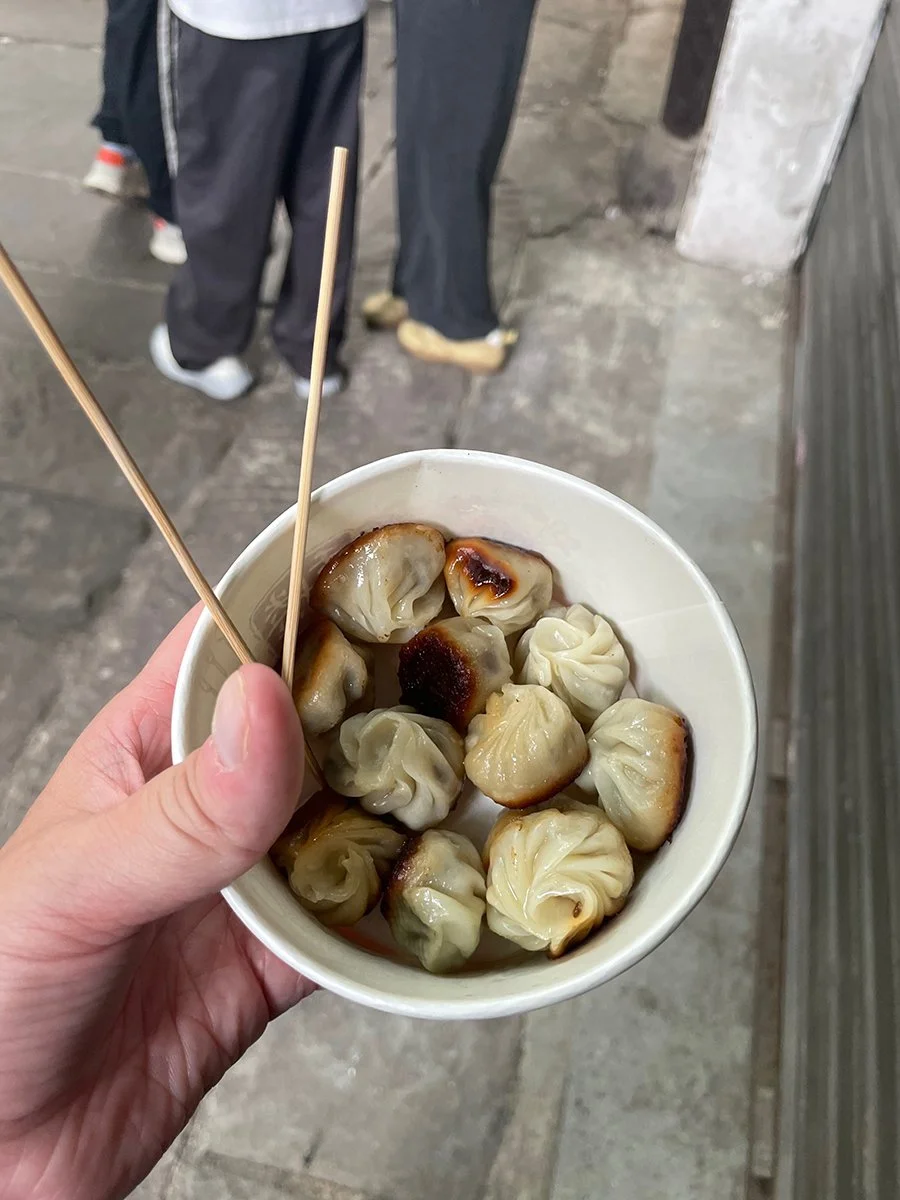
Mini pan-fried pork dumplings, Chongqing, China (©Deborah Clague). Cost was ¥10/$2.13cad.
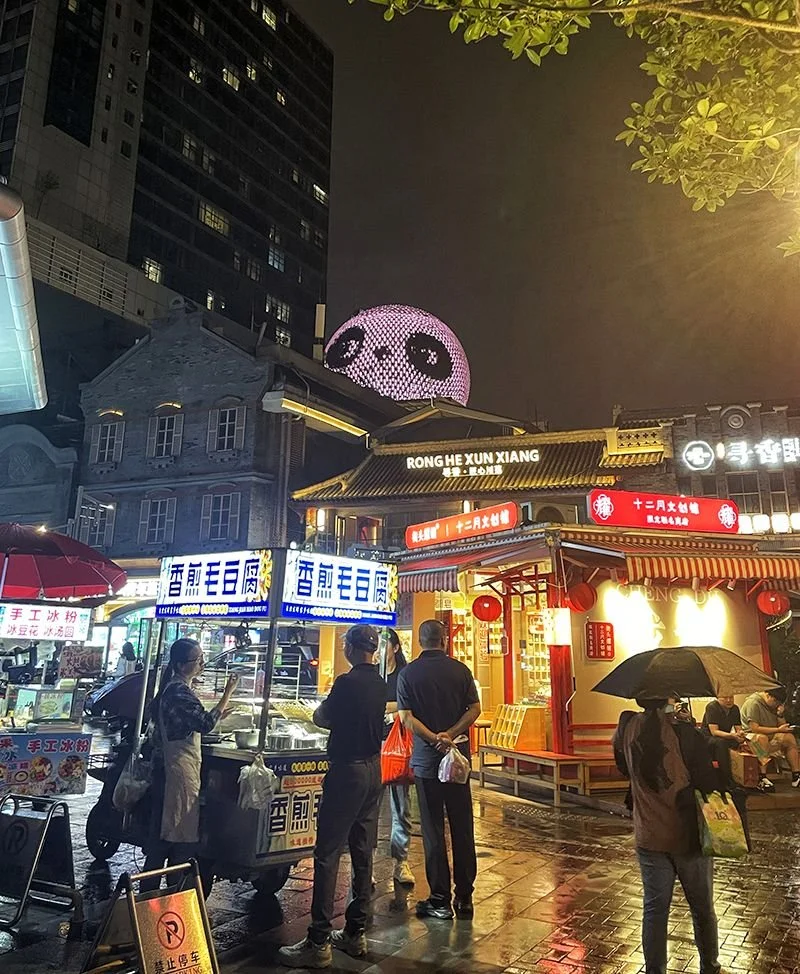
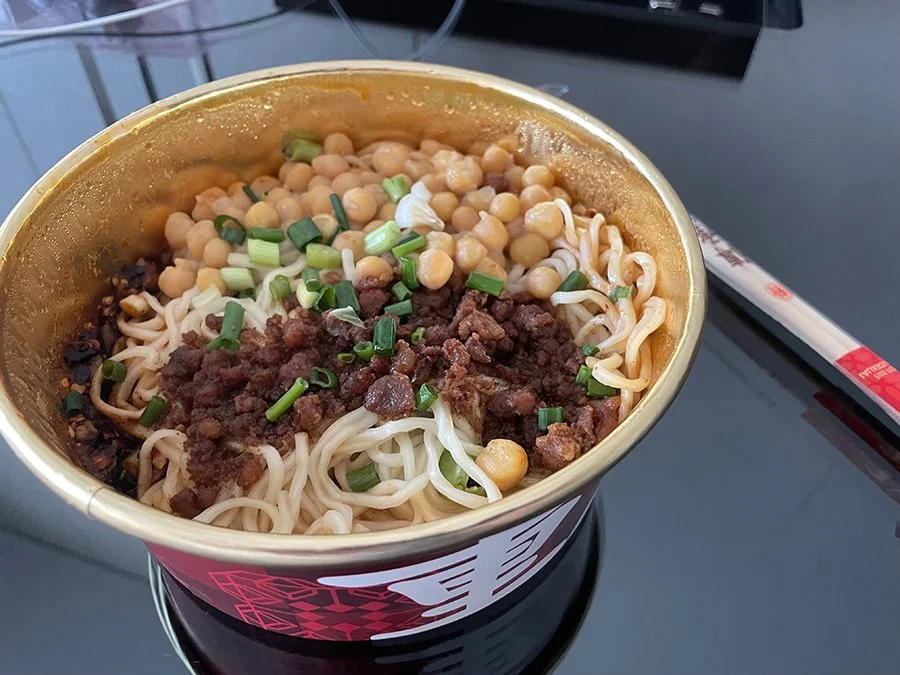
Chongqing noodles (©Deborah Clague). Cost was ¥17.9/$3.80cad.
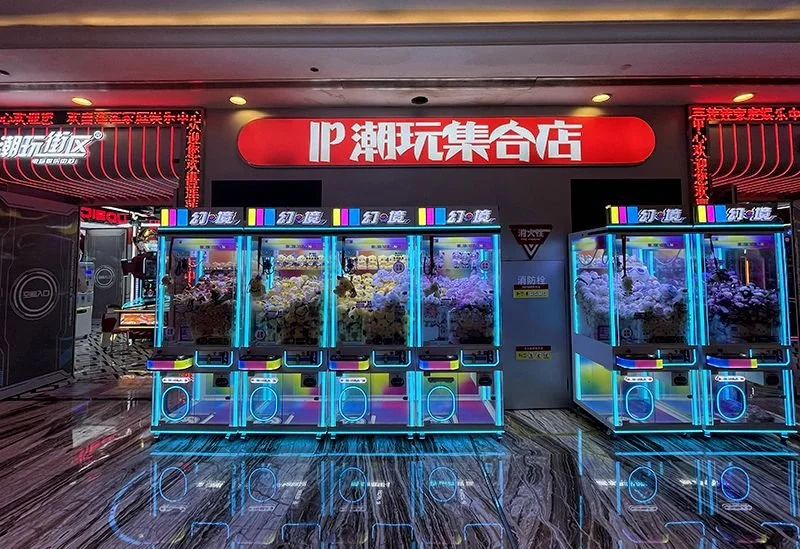
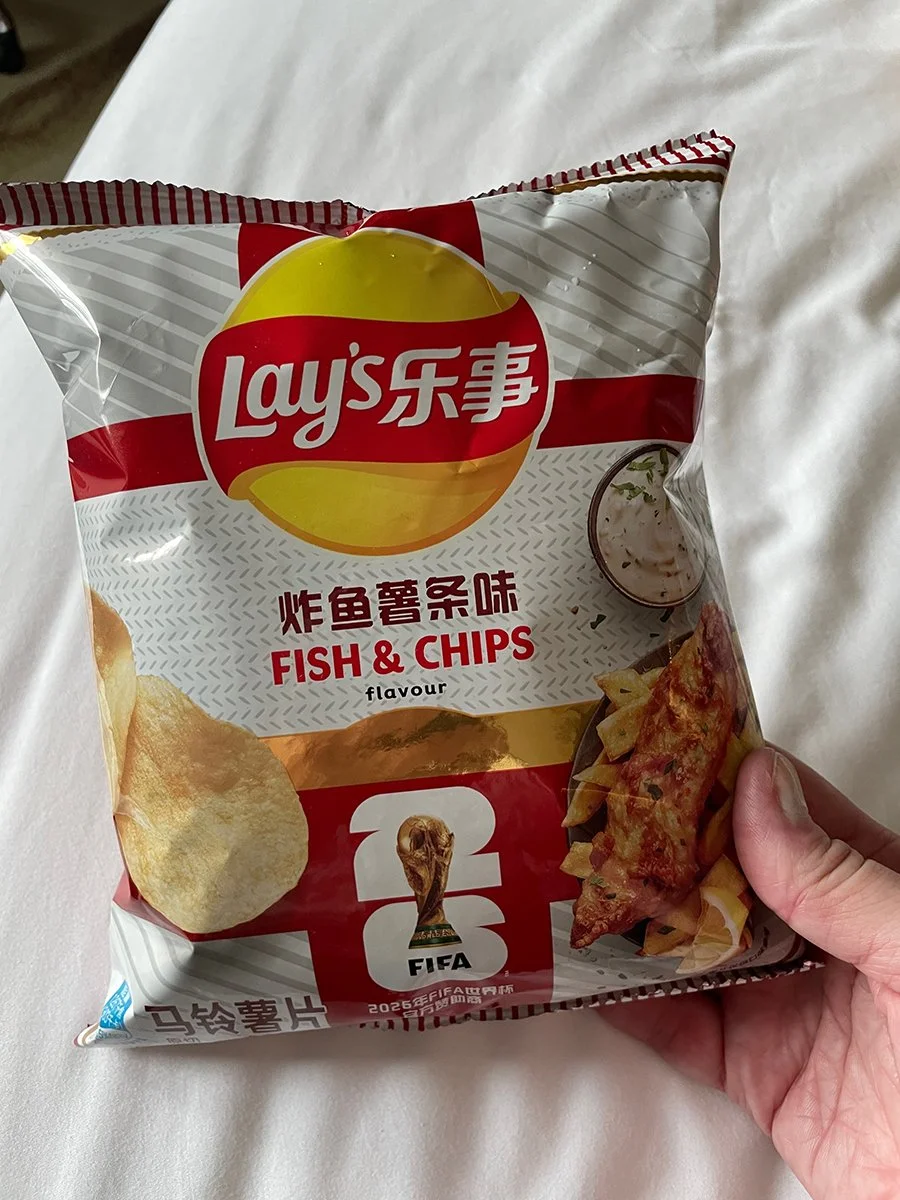
Hear me out … purchased out of curiosity but these are actually delicious (©Deborah Clague).
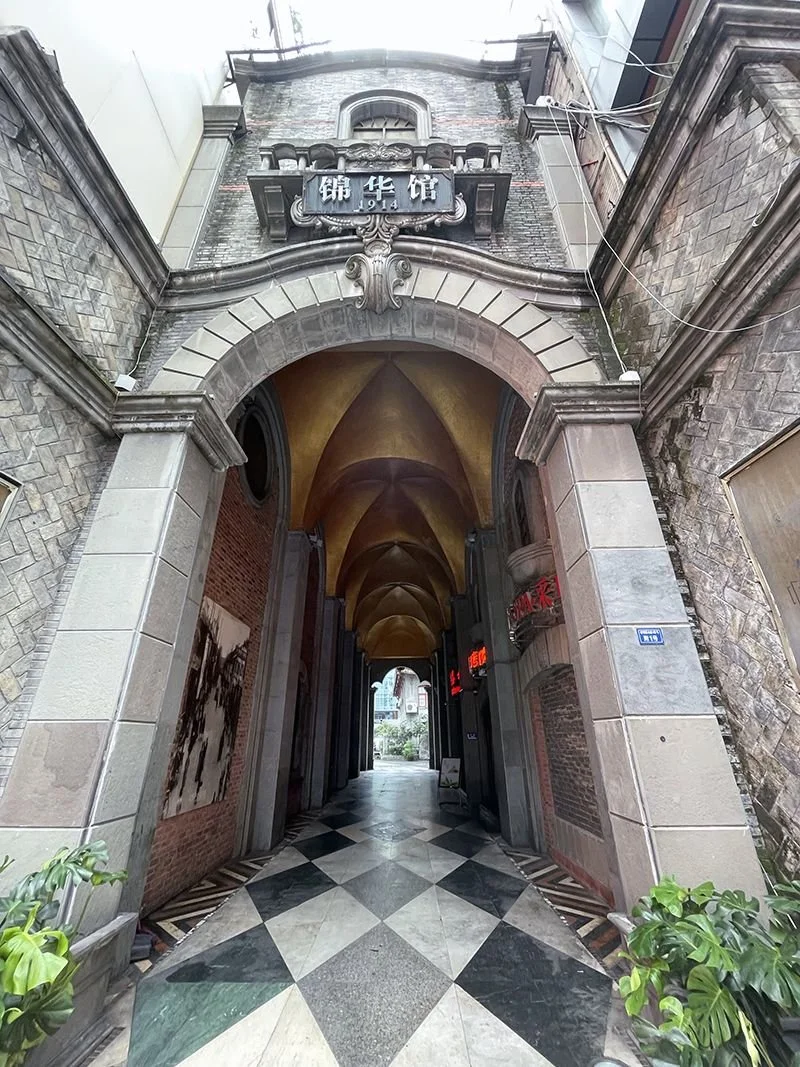
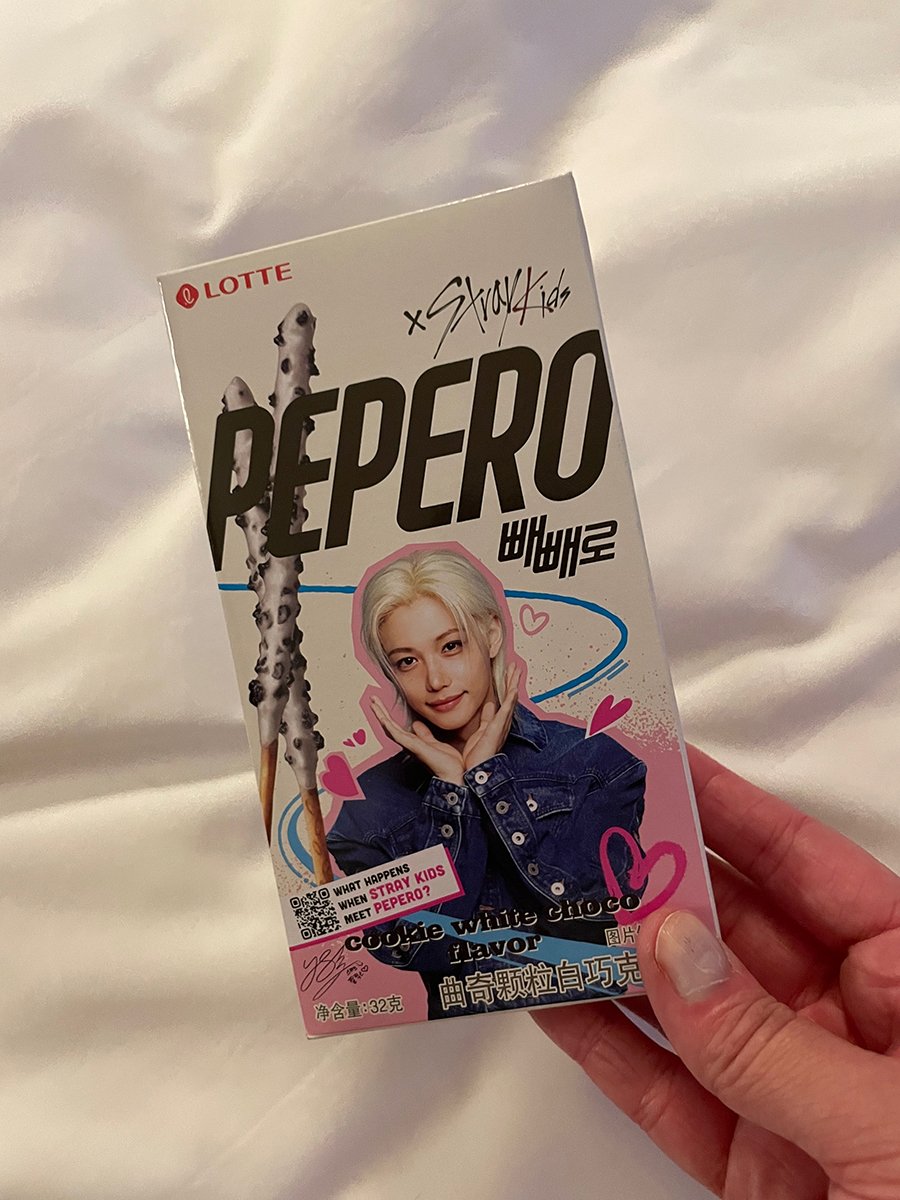
Purchased solely because of Felix (©Deborah Clague).
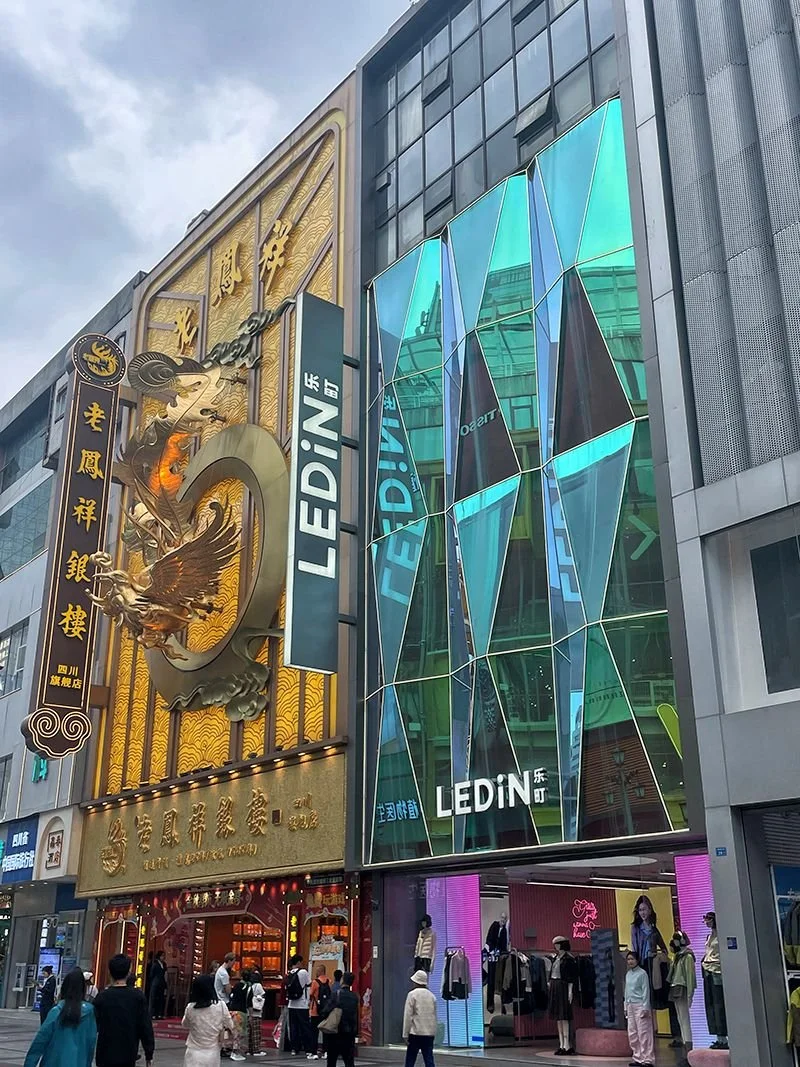
Prologue: Field Notes from the Top of the World part II

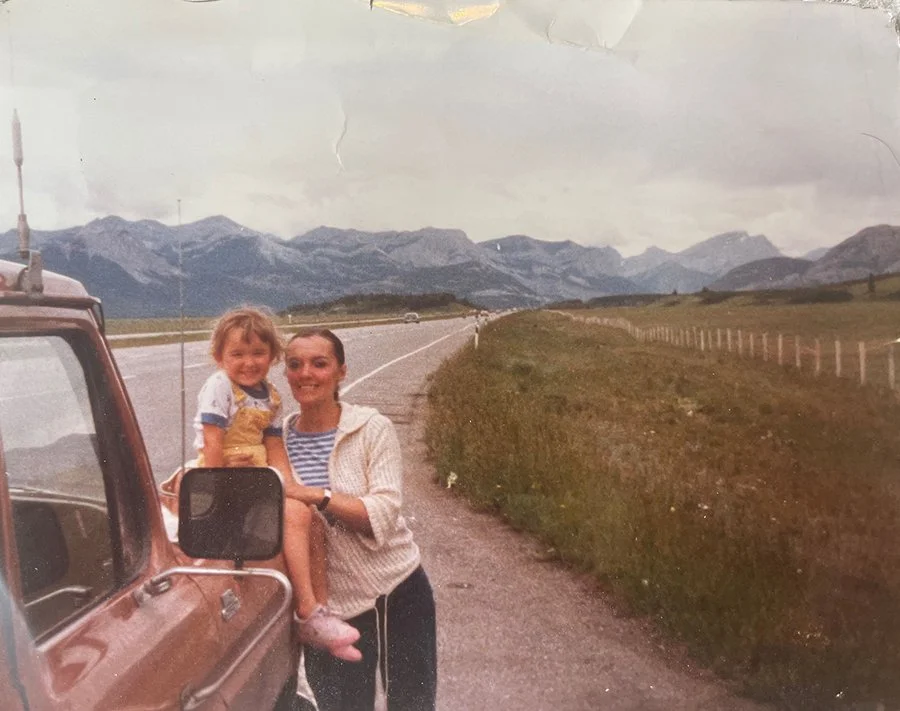
A young family hits the road in their terracotta-hued ‘79 Ford F-Series, destination the Black Hills of South Dakota. Sleeping bags and mats lined the bed, which was covered with a camper shell converting the vehicle to a makeshift RV. The child sat in the middle of the truck’s cab, in between her parents, wide-eyed at the open highway that laid ahead. Her father had told her stories of where they were heading. The lore of cowboys and the Wild West intrigued her, as did stops with oddities like Wall Drug. A sense of adventure had already been planted by formatively watching films like Indiana Jones and now she would be on her own. The first of many.

The young adventurer on a road trip to Banff National Park in the terracotta Ford F-Series, 1980s (©Deborah Clague)

The road trips continued throughout her teenage years, although accommodations varied from the compact Bonair trailer her father purchased and budget off-brand motels with flickering signage that were often located at the edge of the cities they visited. Staying at a Super 8 was considered luxurious (and was a rarity), although a stolen towel embossed with the Holiday Inn logo might prove that the family did actually once stay at something a bit “higher end”. As for adventure, a trip to Mexico offered elevated excitement–and stress–as masked men armed with machine guns stopped and boarded an intercity bus her and her father were traveling en-route from Cancun to Playa del Carmen. It was her first reality of life being finite. She believed the men were a cartel and she was about to be kidnapped … and perhaps murdered; but in the end, it was actually Mexican authorities entering the bus to find just those people and the event became another story to add to her future memoir.


Younger me can feel like an old, distant friend but I always see the throughline to who I’ve become: a curious woman who still loves learning, nature and wildlife, and experiencing adventure.

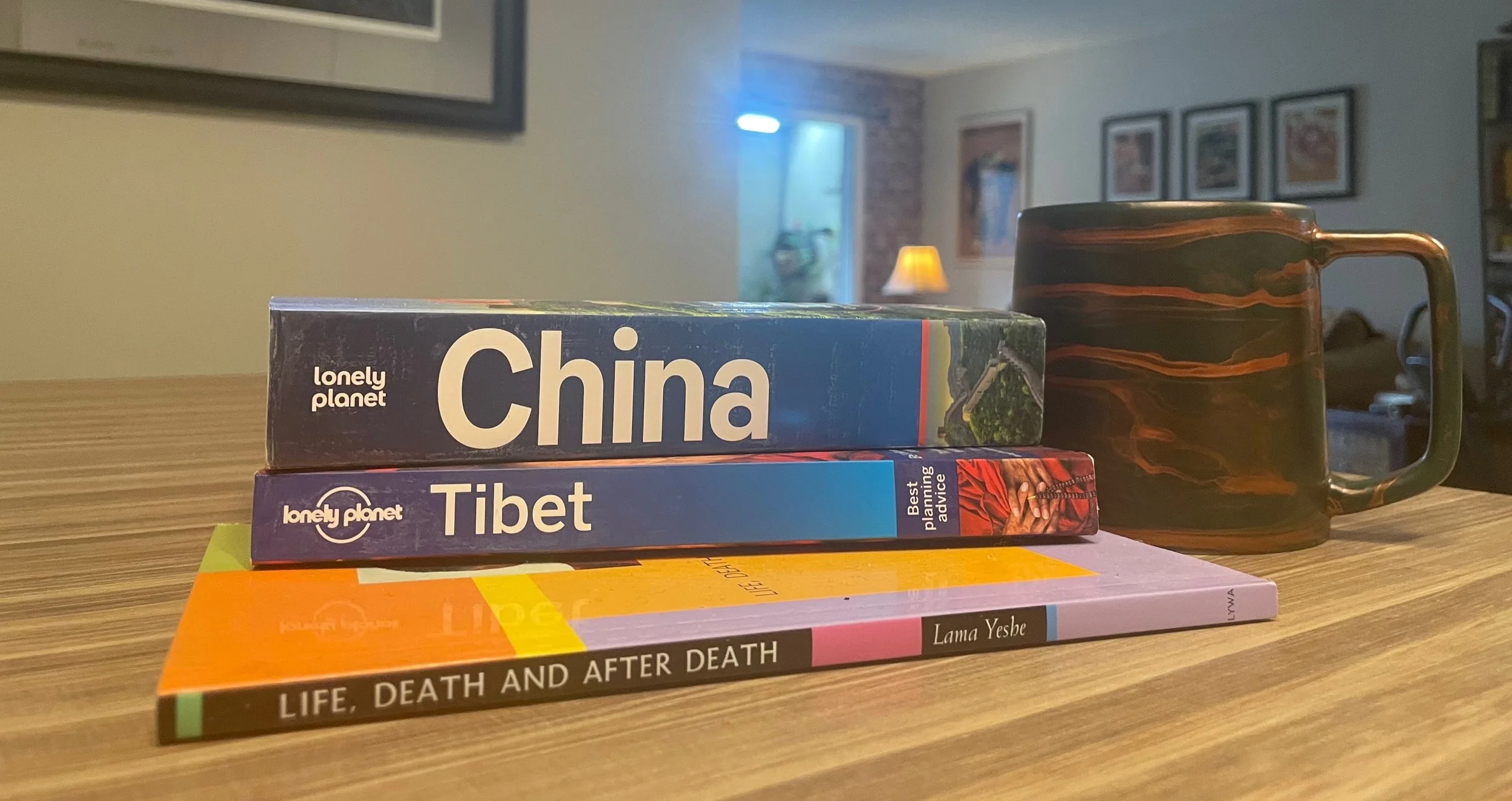
In the mid-00s, China first piqued my interest after flipping through a Lonely Planet travel guide at my local bookstore. A specific footnote about the Giant Panda Research Base in a city I had never heard of (Chengdu) caught my attention. It mentioned the possibility of seeing and even interacting with baby pandas. Daydreaming about this experience turned to planning and I eventually embarked on a backpacking adventure around the country with my late father. It was one of the most memorable trips of my life, although at the time it felt like we were constantly at the mercy of the rhythm of a culture we were woefully unfamiliar with (and, admittedly, had a lot of culture shock from). I even wrote about my travels in a series titled “The Worst Day of My Life”, part 1, part 2 and part 3. In retrospect, that title is hyperbole.

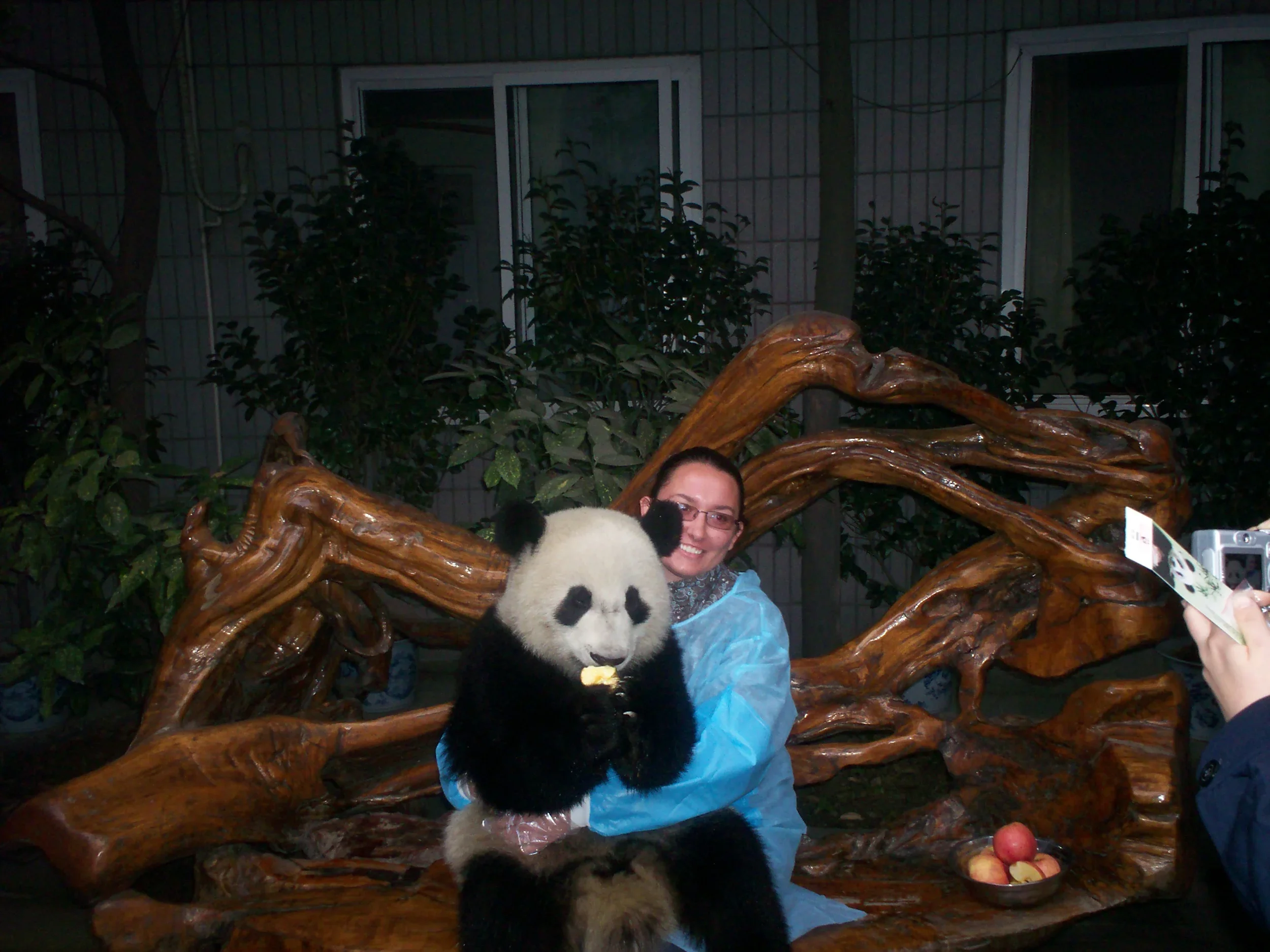
I eventually got to see and hold a baby panda, survived eating mystery street food, and, despite being on the verge of a meltdown, learned so much about an entirely new world and myself. Without experiencing the contrast of a place like China compared to my homeland of Canada, I never would have developed the mental fortitude to continue on with all of my other (solo) travels around the world. I never would challenge myself. And my life would have become so much more boring as a result. My future memoir is stacked.

At Giant Panda Research Base in Chengdu, China (2007, ©Deborah Clague).

Throughout my twenties, my bank account had cobwebs. The minuscule amount of savings didn’t give much stress though. It was a different time, after all. No social media or “influencing”. A predictability and comfort in life, even in middle class. Trump remained a self-inserted tabloid fixture and reality television star. I wasn’t scared of technology eradicating my career.

Life was good.

With age and wisdom, I am sometimes conflicted about not saving more for a home when they were actually affordable or accumulating for that sweet, sweet compound interest. But the other part of me–the one that feels most authentic to my true self–knows that money does not equate to wealth. The things I did invest in have given me growth in ways that are intangible.

I look forward to my upcoming trip where I will return to China (Chengdu and Chongquin), ride the world's highest railway to Tibet and visit Everest Base Camp.

This will be one of the greatest adventures of my life.

Childhood me would be so proud.

Hong Kong X

Every morning after waking up, I would open the curtain from the window and flood my room with light from the rising sun. I wanted the view of the city—my impeccable view of Victoria Harbour—to be the first thing I saw. It was a sight that would fill me with motivation and gratitude. And as my trip was nearing its end, I wanted to soak up every minute of it in hopes that the feeling would carry forward long after I left Hong Kong. 

Beyond the view, there was something else at the window that elicited wonder from me daily. A bird would often circle around my window, perhaps able to see movement behind the glass and as curious about me as I was about him and his urban adventures.


A bird wouldn't be the only creature that I held silent conversation with. 

Visiting Buddhist temples and pausing in the presence of their serenity was a most welcome respite from the constant traffic, both vehicular and pedestrian. Outside, people just stared at the screen of their phone (like most everywhere else, just amplified here amongst 7+ million citizens). While inside, one couldn't help but take stock of their surroundings as the feeling of peace carried over the air with the wisps of incense. Man Mo Temple was a highlight but I also wanted to return to Wong Tai Sin, the "good luck" temple. I wanted my trip to start, and end, there in the hopes that its myth might rub off on me. 

On my second visit, I had a strange encounter. One that I should preface with a brief story because I know it's going to sound strange and unbelievable but is not, perhaps, entirely unprecedented. A few years ago, my best friend was on her own spiritual journey and found herself delving into the world of crystals, even attending a conference to learn about their supposed healing power and other mystical properties. One strange experience she shared with me was participating in a breathing exercise circle. As she paced her exhalation, eyes closed and deep in thought, she felt the sensation of someone poking her stomach. Immediately exiting her zen-like state, she darted her eyes to see who it was. And there was no one present. Admittedly, I thought she may have, ahem, also been researching other "natural" ways to seek enlightenment during this period but it turned out to not be the case and she swore by the story.

And now, back to mine. 

On my second visit to Wong Tai Sin, I again paid respects at the alters, each representing one of the five geomantic elements—metal, wood, water, fire and earth—and ended by pausing in the Good Wish Garden. It was here that I took a few moments to reflect on my newfound love for the city of Hong Kong, the hardships I've experienced over the past few years and my hope that the future would continue on a path of light ... when I felt a poke. It DISTINCTLY felt like someone's finger poking me near my ribcage. I, like my friend, immediately exited my trance and looked around to see who it was. 

But there was no one there. 

I looked down at the pond, at the koi swimming around, and for the first time I saw a turtle perched on a rock staring at me.  


At Wong Tai Sin, I returned to the same fortune teller I visited ten days prior. On this occasion, he had a line of two women awaiting his seer services. I joined them by sitting patiently on a stool outside his tiny storefront and recollecting back on the futurities he previously shared with me. After involving myself with some dubious characters over the years, that initial inquiry specifically related to my love life. People these days act like love is an archaic concept and feelings don't exist but I am not wired that way. I value honesty, integrity and respect and lament how rare they increasingly seem to be as people treat the emotions of others like commodity to be traded for ego. This toxicity can, unfairly, also taint future relationships as well and while I have met someone who possesses the strong character traits I desire in a partner, I don't want my past to hold any influence on my view of who they actually are. 

"They will travel to meet you. You will meet at an event relating to dance."

And so it was written.

My partner is originally from Kerala, India, but has lived in Australia, South Africa and South Korea performing scientific research. I met him three years ago at a salsa dancing class neither he, nor I, was planning to be at. The chemistry was immediate. All night, I noticed him staring at me (and I'm sure he did likewise). When my friend wanted to leave, I implored her to stay just a little bit longer as I felt I wasn't leaving without his number. Too shy to approach him though, I felt I could will it into fruition. Sure enough, a few minutes later he asked me to dance and the rest was history. While we've had our ups-and-downs, our ons-and-offs, we always return to each other as we are best friends. 
I waited in line for around thirty minutes and then made the decision to leave. The original fortune I received could have been somewhat vague to anyone, but there was an eerie specificity to my life that gave me hope I already found the answer I was looking for. 


The last image of my trip that will forever stay with me is flying over the red lights of a ferris wheel illuminated against the stark countryside of Taiwan down below. Sometimes the perspective you need can only be found at 20,000 feet. 

Hong Kong sunrise (©Deborah Clague, 2018). 
Hong Kong sunrise (©Deborah Clague, 2018). 
Central district, Hong Kong (©Deborah Clague, 2018).

Central district, Hong Kong (©Deborah Clague, 2018).

Hong Kong's famous trams, Central district (©Deborah Clague, 2018).

Hong Kong's famous trams, Central district (©Deborah Clague, 2018).

Central district, Hong Kong (©Deborah Clague, 2018).

Central district, Hong Kong (©Deborah Clague, 2018).

Rainy afternoon in the Central district (©Deborah Clague, 2018).

Rainy afternoon in the Central district (©Deborah Clague, 2018).

Back alleys of Central district (©Deborah Clague, 2018).

Back alleys of Central district (©Deborah Clague, 2018).

Man Mo Temple (©Deborah Clague, 2018).

Man Mo Temple (©Deborah Clague, 2018).

Man Mo Temple (©Deborah Clague, 2018).

Man Mo Temple (©Deborah Clague, 2018).

Man Mo Temple (©Deborah Clague, 2018). 

Man Mo Temple (©Deborah Clague, 2018). 

Man Mo Temple (©Deborah Clague, 2018). 

Man Mo Temple (©Deborah Clague, 2018). 

Man Mo Temple (©Deborah Clague, 2018). 

Man Mo Temple (©Deborah Clague, 2018). 

Man Mo Temple (©Deborah Clague, 2018). 

Man Mo Temple (©Deborah Clague, 2018). 

Man Mo Temple (©Deborah Clague, 2018). 

Man Mo Temple (©Deborah Clague, 2018). 

Walking along the promenade at night, Hong Kong (©Deborah Clague, 2018).

Walking along the promenade at night, Hong Kong (©Deborah Clague, 2018).

Various amulets available for purchase at Wong Tai Sin Temple (you best believe I now own a "get rid of scumbag" amulet) (©Deborah Clague, 2018). 

Various amulets available for purchase at Wong Tai Sin Temple (you best believe I now own a "get rid of scumbag" amulet) (©Deborah Clague, 2018). 

One last selfie from the top of Hotel Icon (©Deborah Clague, 2018).

One last selfie from the top of Hotel Icon (©Deborah Clague, 2018).

Hong Kong IX

This will be a long, photo-heavy post because the day I trekked to Lantau Island, Tai O Fishing Village and Po Lin Monastery was the most memorable of my trip. 

I get anxiety from the small things while traveling, which sounds ridiculous because I feel that traveling solo to a foreign land where you don't know anyone, not even the language, is of itself pretty bold. But things such as my first trip on a local subway or bus cause great stress and I generally put it off for a few days until I familiarize myself with my immediate surroundings (and the temperament of the local populace). During my time in Hong Kong, there were places I wanted to visit that required me to take on this fear so I couldn't put it off for long.

Entering Tsim Sha Tsui MTR station amongst a sea of people during the morning commute nearly made me break out in hives from nerves. It felt like there were more people rushing about than the entire population of the city I now live in. I searched for the least crowded ticket dispenser and felt my breathing increase as I made my way to the front of the line. "What if I don't understand how to use it?", "What if I cause the people behind me to miss their train?", "What if people start yelling at me for being an idiot?", "What if?", "What if?"

When all was said-and-done, I discovered that the Hong Kong subway is the EASIEST to navigate of all the places I've been. It's a complete breeze! And the local populace is more welcoming and patient than other western cities of equivalent size. This realization gave me a new freedom during my trip, broadening my horizon as to how (and where) I could spend the remainder of my days. The confidence these small tasks can instil should not be underestimated. Small steps can lead to great journeys. 

The train eventually took me across land and over water to Lantau Island, home of Tai O Fishing Village, Po Lin Buddhist Monastery and its "Big Buddha". To get to these sights though, I had to take a long—and very scenic—gondola up a mountain, choosing to upgrade to the glass-bottomed version for optimal viewing. On the twenty minute or so ride, I was grouped with a family from New Delhi, India. At first I sat in the corner, looking out into the distance and not wanting to infringe as they took numerous photos of each other and coordinated dance moves for a video they were making. Seriously (at one point I grew concerned at how much the gondola was rocking). The father eventually reached out asking if I wanted a picture taken of myself. After saying yes, I was pretty much adopted into their clan for the remainder of the day and even invited back to their hotel afterwards to feast on my favourite dish, biriyani, which we all agreed was better than the fish-heavy local cuisine. 

I learned that they would be moving to Canada in the coming year, seeing it as a clean break from a homeland that they described as being riddled with corruption. This echoed what I have heard from others, including my partner who is originally from southern state Kerala. They inquired as to the best place to settle in my homeland and asked just how cold our winters were. I'm not sure they believed me. But they will find out. As the conversation continued, the men - the father and his two adult sons - excused themselves from the women and invited me for a cigarette. It amused me that they assumed I smoked (I don't). When I asked if their wives would be joining, they informed me they would "never". The youngest son even tried to conceal his habit from his new bride by holding nacho chips in his hand which he felt would eradicate all traces of the smell of smoke. 

I felt a tinge of pity for his naïveté.

How little men know that when a woman wants to find out what her mate it up to, it is with the greatest of ease that she become a Russian-level spy. 


After disembarking from the gondola, I took a bus from Ngong Ping Village to Tai O Fishing Village which is pretty much constructed on stilts overtop of water. It was an amazing sight to behold and offered glimpse into a life vastly different than my own. A life revolved around the ebb of tides versus the whims of head office. I was even invited into one of these traditional homes for a brief tour. Its sparse decoration focused on pictures of family and their history, along with written Buddhist prayers. Another thing I noticed about this place was the number of dogs running about. Maybe it was their freedom, maybe it was the scraps of fish that were thrown their way, but these friendly, happy doggos beamed with contentment. I set out a goal of petting and taking pictures of all of them. 

I also took a boat ride around the general area and saw a portion of the world's longest sea bridge; the Hong Kong-Zhuhai-Macau Bridge connects the three major Pearl River Delta cities at a span of 55km. The megaproject hasn't even opened yet and will officially welcome vehicular traffic in July 2018. 

Completing my day-long excursion, I visited Po Lin Buddhist Monastery where I hiked up to "Big Buddha" and contemplated the next steps I want to take in life.  

Going up the Ngong Ping 360 gondola on Lantau Island, China (©Deborah Clague, 2018). 

Going up the Ngong Ping 360 gondola on Lantau Island, China (©Deborah Clague, 2018). 

Looking down at Lantau Island—and my filthy Nikes—while looking through the glass-bottom gondola on Lantau Island, China (©Deborah Clague, 2018). 

Looking down at Lantau Island—and my filthy Nikes—while looking through the glass-bottom gondola on Lantau Island, China (©Deborah Clague, 2018). 

Going up the Ngong Ping 360 glass-bottom gondola on Lantau Island, China (©Deborah Clague, 2018). 

Going up the Ngong Ping 360 glass-bottom gondola on Lantau Island, China (©Deborah Clague, 2018). 

Taking part in a traditional tea ceremony on Lantau Island (@Deborah Clague, 2018). 

Taking part in a traditional tea ceremony on Lantau Island (@Deborah Clague, 2018). 

Lantau Island, China (©Deborah Clague, 2018). 

Lantau Island, China (©Deborah Clague, 2018). 

Lantau Island, China (©Deborah Clague, 2018). 

Lantau Island, China (©Deborah Clague, 2018). 

Good boy no. 1, Lantau Island, China (©Deborah Clague, 2018). 

Good boy no. 1, Lantau Island, China (©Deborah Clague, 2018). 

Good boy no.2, Lantau Island, China (©Deborah Clague, 2018). 

Good boy no.2, Lantau Island, China (©Deborah Clague, 2018). 

Tai O Fishing Village, China (©Deborah Clague, 2018). 

Tai O Fishing Village, China (©Deborah Clague, 2018). 

Tai O Fishing Village, China (©Deborah Clague, 2018). 

Tai O Fishing Village, China (©Deborah Clague, 2018). 

Tai O Fishing Village, China (©Deborah Clague, 2018). 

Tai O Fishing Village, China (©Deborah Clague, 2018). 

Good boys no.3 and no.4, Tai O Fishing Village, China (©Deborah Clague, 2018). 

Good boys no.3 and no.4, Tai O Fishing Village, China (©Deborah Clague, 2018). 

Family portrait inside home in Tai O Fishing Village, China (©Deborah Clague, 2018). 

Family portrait inside home in Tai O Fishing Village, China (©Deborah Clague, 2018). 

Toilet in house in Tai O Fishing Village. I'm glad I didn't have to go because I don't know how to swim if I fell in (©Deborah Clague, 2018).

Toilet in house in Tai O Fishing Village. I'm glad I didn't have to go because I don't know how to swim if I fell in (©Deborah Clague, 2018).

Good boy no.5, Tai O Fishing Village, China (©Deborah Clague, 2018). 

Good boy no.5, Tai O Fishing Village, China (©Deborah Clague, 2018). 

Tai O Fishing Village, China (©Deborah Clague, 2018). 

Tai O Fishing Village, China (©Deborah Clague, 2018). 

What's for dinner? Tai O Fishing Village, China (©Deborah Clague, 2018). 

What's for dinner? Tai O Fishing Village, China (©Deborah Clague, 2018). 

My new adoptive family, Po Lin Monastery, China (©Deborah Clague, 2018). 

My new adoptive family, Po Lin Monastery, China (©Deborah Clague, 2018). 

Po Lin Monastery, China (©Deborah Clague, 2018). 

Po Lin Monastery, China (©Deborah Clague, 2018). 

Po Lin Monastery, China (©Deborah Clague, 2018). 

Po Lin Monastery, China (©Deborah Clague, 2018). 

Po Lin Monastery, China (©Deborah Clague, 2018). 

Po Lin Monastery, China (©Deborah Clague, 2018). 

Po Lin Monastery, China (©Deborah Clague, 2018). 

Po Lin Monastery, China (©Deborah Clague, 2018). 

Good boy no.6, Po Lin Monastery, China (©Deborah Clague, 2018). 

Good boy no.6, Po Lin Monastery, China (©Deborah Clague, 2018). 

Po Lin Monastery, China (©Deborah Clague, 2018). 

Po Lin Monastery, China (©Deborah Clague, 2018). 

Climbing up to Big Buddha at Po Lin Monastery, China (©Deborah Clague, 2018). 

Climbing up to Big Buddha at Po Lin Monastery, China (©Deborah Clague, 2018). 

Po Lin Monastery, China (©Deborah Clague, 2018). 

Po Lin Monastery, China (©Deborah Clague, 2018). 

Po Lin Monastery, China (©Deborah Clague, 2018). 

Po Lin Monastery, China (©Deborah Clague, 2018). 

Climbing up to Big Buddha at Po Lin Monastery, China (©Deborah Clague, 2018). 

Climbing up to Big Buddha at Po Lin Monastery, China (©Deborah Clague, 2018). 

Hong Kong VIII

Hong Kong vignette no.1: The rising sun cast a marigold tint over the Central District as I leisurely strolled along Tsim Sha Tsui Promenade. There were few people out at this hour. Joggers made use of the cooler temperature. As well, other sleep-deprived tourists snapped selfies as the neon signage flickered in conclusion to a long night. I paused, taking it all in. At a different time, I would not be afforded the solitude to appreciate the spectacular view I now faced. 

And then, a noise.

The faint sound of music approaching.

As it neared, I recognized the instrumentation and, of course, THE voice. An older woman paused around ten feet from me also to soak in the glorious view of her presumed hometown. On her iPhone, she loudly played Whitney Houston's "The Greatest Love of All". I remained still as well, thinking about how small the world is and how this moment, however pedestrian, would remain near the top of my memories of Hong Kong. 

Hong Kong vignette no. 2: Later in the day, I stood near the entrance to the mid-levels escalator with the intent of taking a picture of this unique urban convenience. As I posited the perfect angle, the siren call of hell's gate opening—or something similar—rumbled. It was loud. It was shrill. It was a tiny, old Cantonese man perched atop the biggest hog I have ever seen in my life as it blasted Michael Jackson's "You Are Not Alone". The contrast both amused and fascinated me. 

He stopped at the light while everyone in the vicinity stared at him with curiosity and awe. I could tell he enjoyed it. I could tell he was a rock star in his own mind. He revved his motor a few times for the crowd and smiled before driving away. 

"That's how you live life," I thought to myself. 

Hong Kong VII

I am a creature of habit. My hotel in Hong Kong was situated across a public square that I walked through daily. So ingrained in my mind is this prosaic ceremony that I can recall every detail from the advertised price of traditional remedies in the medicine shops, to the faces of the gweilo lined up at McDonalds ordering strawberry ice cream cones, to the hare krishnas causing spectacle with song and dance while soliciting their creed (and monetary donations). While it may seem boring to have such a predictable routine—especially while on holiday—I now relish the ability to close my eyes and return to such sweet vivid memory in my life. 

This public square became the starting point for my journey to several markets within the city, including the bird market, flower market, ladies market and Temple Street night market. There was also a pet market, which I would normally be excited to visit, but I read that it wouldn't be a happy place filled with boops and zooms so avoided it. Watching a fish try to escape a food stall one day was all my sensitivity could handle. 

The bird market, known as the Yuen Po Bird Garden, and flower market are adjacent to each other. Neither one is very big—the bird market just constitutes a small lane—but they are interesting to visit. Birds are a popular pet in China and this area acts as a place for locals to take theirs out for show, somewhat similar to a dog park in North America. In mid-afternoon, this was THE area for senior citizens to congregate and socialize with a bamboo cage in one hand and deck of cards in the other. There were also several shops selling all manner of fowl and the insects they consume. 

The ladies market and Temple Street night market are very similar. They both have a maze of stalls selling mass produced, cheaply made merchandise that is of dubious quality and origin. I walked through them and became bored after awhile. There's only so much knock-off Supreme clothing that one can take. The only thing that caught my eye was a pair of Gudetama (!!!) pajamas that I bartered down from 300HKD to 80HKD (roughly $13.00 CDN). They are an XL and I can barely fit into the pants. Perhaps the only difference between these two markets were the prostitutes chatting up the foreigners in the Temple Street area. As I travel alone, I'm always leery of being mistaken for one but then remember that I look like a journalist and there are few men into that kink. 

On that topic, Hong Kong has the most sex shops of any city I've visited. 

Birds for sale at Yuen Po Bird Garden, Hong Kong (©Deborah Clague, 2018). 

Birds for sale at Yuen Po Bird Garden, Hong Kong (©Deborah Clague, 2018). 

Yuen Po Bird Garden, Hong Kong (©Deborah Clague, 2018). 

Yuen Po Bird Garden, Hong Kong (©Deborah Clague, 2018). 

Birds for sale at Yuen Po Bird Garden, Hong Kong (©Deborah Clague, 2018). 

Birds for sale at Yuen Po Bird Garden, Hong Kong (©Deborah Clague, 2018). 

Seniors socializing at Yuen Po Bird Garden, Hong Kong (©Deborah Clague, 2018). 

Seniors socializing at Yuen Po Bird Garden, Hong Kong (©Deborah Clague, 2018). 

The flower market, Hong Kong (©Deborah Clague, 2018). 

The flower market, Hong Kong (©Deborah Clague, 2018). 

The flower market, Hong Kong (©Deborah Clague, 2018). 

The flower market, Hong Kong (©Deborah Clague, 2018). 

Temple Street night market, Hong Kong (©Deborah Clague, 2018)

Temple Street night market, Hong Kong (©Deborah Clague, 2018)

Area near Temple Street night market, Hong Kong (©Deborah Clague, 2018)

Area near Temple Street night market, Hong Kong (©Deborah Clague, 2018)

Area near Temple Street night market, Hong Kong (©Deborah Clague, 2018)

Area near Temple Street night market, Hong Kong (©Deborah Clague, 2018)

Area near Temple Street night market, Hong Kong (©Deborah Clague, 2018)

Area near Temple Street night market, Hong Kong (©Deborah Clague, 2018)

Area near Temple Street night market, Hong Kong (©Deborah Clague, 2018)

Area near Temple Street night market, Hong Kong (©Deborah Clague, 2018)

One of Hong Kong's many sex shops (©Deborah Clague, 2018). 

One of Hong Kong's many sex shops (©Deborah Clague, 2018). 

Meat market in the Central district of Hong Kong (©Deborah Clague, 2018). 

Meat market in the Central district of Hong Kong (©Deborah Clague, 2018). 

Meat market in the Central district of Hong Kong (©Deborah Clague, 2018). 

Meat market in the Central district of Hong Kong (©Deborah Clague, 2018). 

Meat market in the Central district of Hong Kong (©Deborah Clague, 2018). 

Meat market in the Central district of Hong Kong (©Deborah Clague, 2018). 

The despondent face of the fish that tried to escape (©Deborah Clague, 2018). 

The despondent face of the fish that tried to escape (©Deborah Clague, 2018). 

Hong Kong street fashion on the Star Ferry (©Deborah Clague, 2018). 

Hong Kong street fashion on the Star Ferry (©Deborah Clague, 2018).