Prologue: Field Notes from the Top of the World part II

A young family hits the road in their terracotta-hued ‘79 Ford F-Series, destination the Black Hills of South Dakota. Sleeping bags and mats lined the bed, which was covered with a camper shell converting the vehicle to a makeshift RV. The child sat in the middle of the truck’s cab, in between her parents, wide-eyed at the open highway that laid ahead. Her father had told her stories of where they were heading. The lore of cowboys and the Wild West intrigued her, as did stops with oddities like Wall Drug. A sense of adventure had already been planted by formatively watching films like Indiana Jones and now she would be on her own. The first of many.

The young adventurer on a road trip to Banff National Park in the terracotta Ford F-Series, 1980s (©Deborah Clague)

The road trips continued throughout her teenage years, although accommodations varied from the compact Bonair trailer her father purchased and budget off-brand motels with flickering signage that were often located at the edge of the cities they visited. Staying at a Super 8 was considered luxurious (and was a rarity), although a stolen towel embossed with the Holiday Inn logo might prove that the family did actually once stay at something a bit “higher end”. As for adventure, a trip to Mexico offered elevated excitement–and stress–as masked men armed with machine guns stopped and boarded an intercity bus her and her father were traveling en-route from Cancun to Playa del Carmen. It was her first reality of life being finite. She believed the men were a cartel and she was about to be kidnapped … and perhaps murdered; but in the end, it was actually Mexican authorities entering the bus to find just those people and the event became another story to add to her future memoir.


Younger me can feel like an old, distant friend but I always see the throughline to who I’ve become: a curious woman who still loves learning, nature and wildlife, and experiencing adventure.

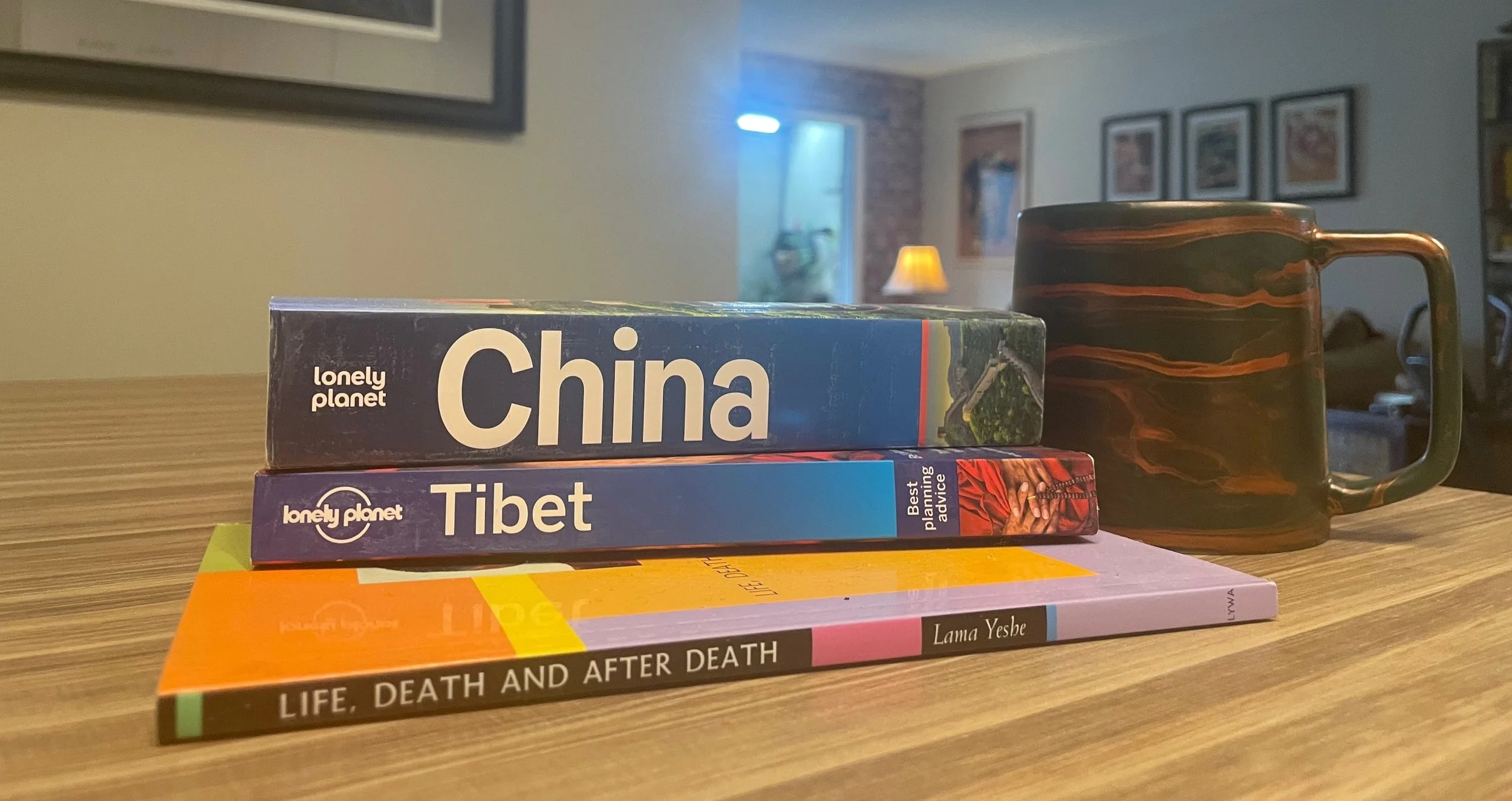
In the mid-00s, China first piqued my interest after flipping through a Lonely Planet travel guide at my local bookstore. A specific footnote about the Giant Panda Research Base in a city I had never heard of (Chengdu) caught my attention. It mentioned the possibility of seeing and even interacting with baby pandas. Daydreaming about this experience turned to planning and I eventually embarked on a backpacking adventure around the country with my late father. It was one of the most memorable trips of my life, although at the time it felt like we were constantly at the mercy of the rhythm of a culture we were woefully unfamiliar with (and, admittedly, had a lot of culture shock from). I even wrote about my travels in a series titled “The Worst Day of My Life”, part 1, part 2 and part 3. In retrospect, that title is hyperbole.

I eventually got to see and hold a baby panda, survived eating mystery street food, and, despite being on the verge of a meltdown, learned so much about an entirely new world and myself. Without experiencing the contrast of a place like China compared to my homeland of Canada, I never would have developed the mental fortitude to continue on with all of my other (solo) travels around the world. I never would challenge myself. And my life would have become so much more boring as a result. My future memoir is stacked.
At Giant Panda Research Base in Chengdu, China (2007, ©Deborah Clague).

Throughout my twenties, my bank account had cobwebs. The minuscule amount of savings didn’t give much stress though. It was a different time, after all. No social media or “influencing”. A predictability and comfort in life, even in middle class. Trump remained a self-inserted tabloid fixture and reality television star. I wasn’t scared of technology eradicating my career.

Life was good.

With age and wisdom, I am sometimes conflicted about not saving more for a home when they were actually affordable or accumulating for that sweet, sweet compound interest. But the other part of me–the one that feels most authentic to my true self–knows that money does not equate to wealth. The things I did invest in have given me growth in ways that are intangible.

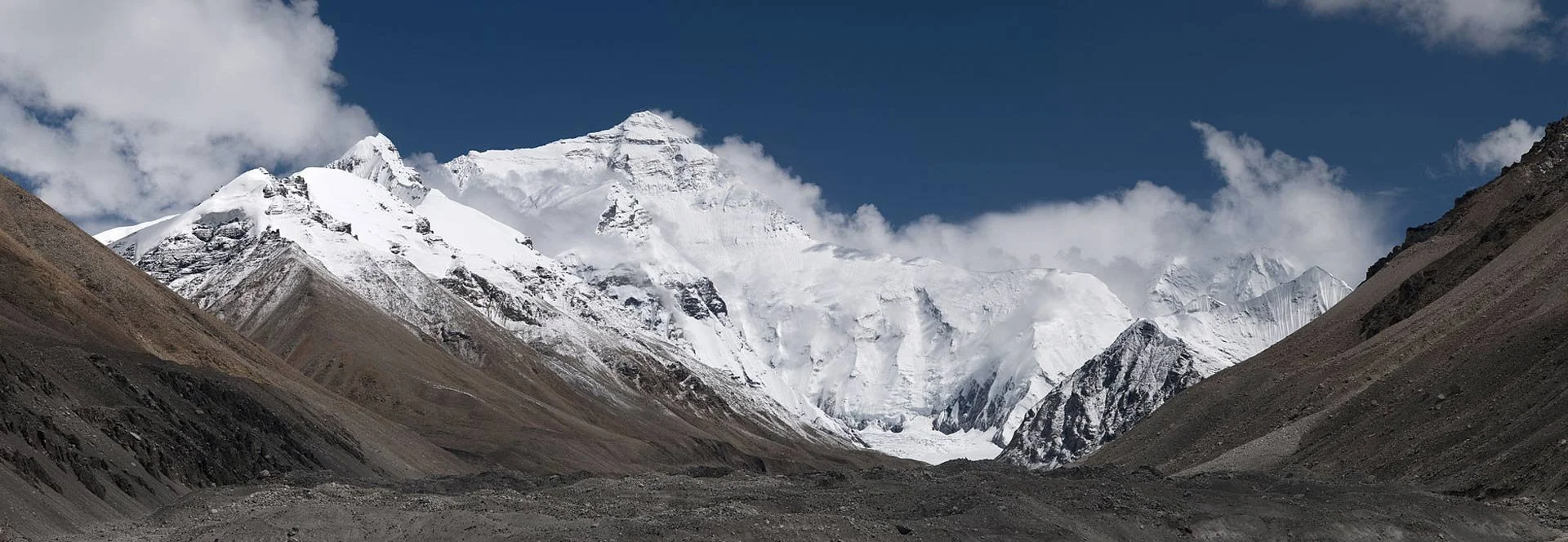
I look forward to my upcoming trip where I will return to China (Chengdu and Chongquin), ride the world's highest railway to Tibet and visit Everest Base Camp.

This will be one of the greatest adventures of my life.

Childhood me would be so proud.

The Arctic Part V

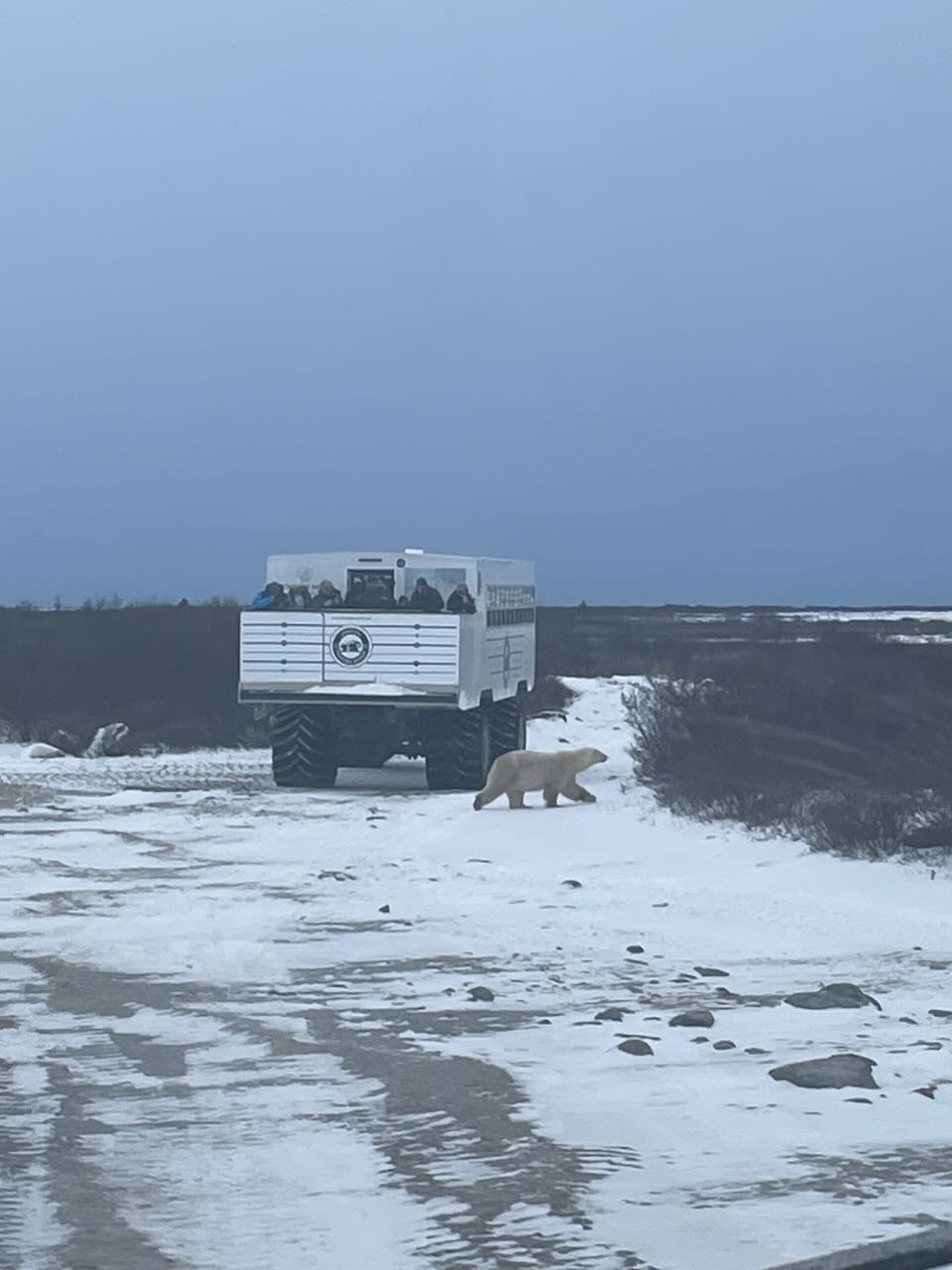
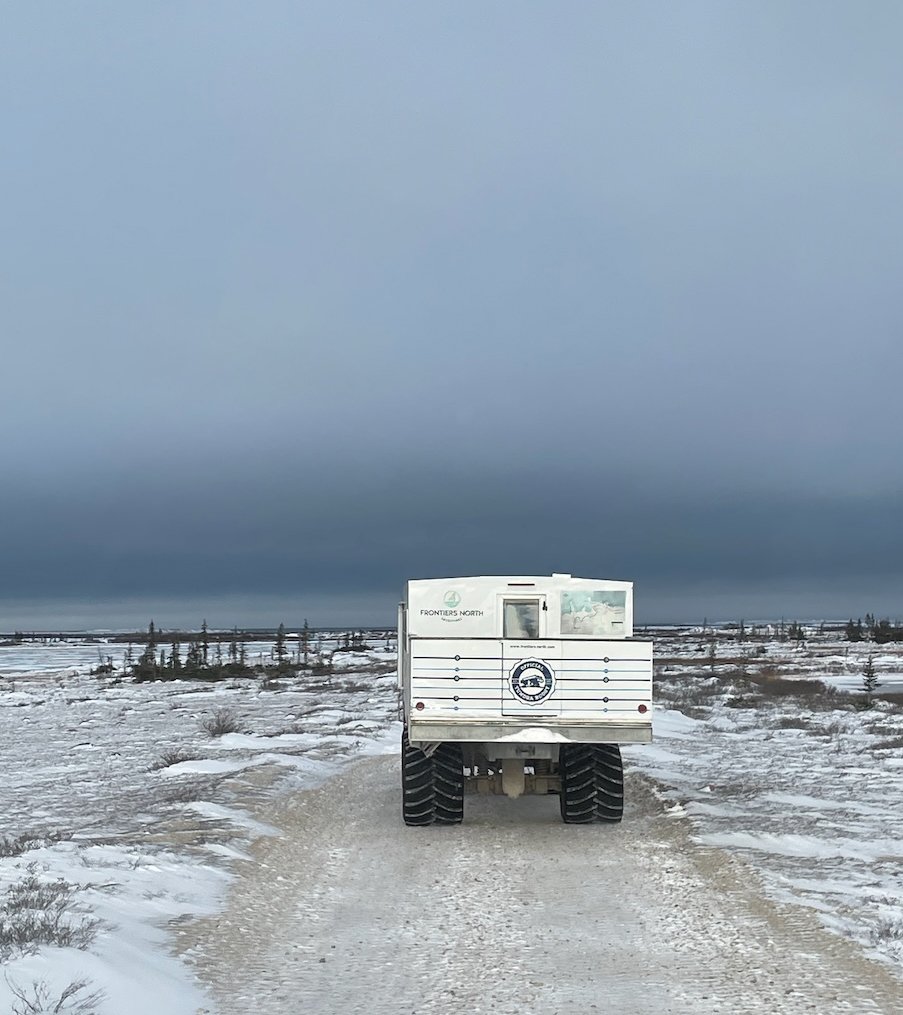
The tundra buggy parked parallel to Hudson Bay offering each traveller an unspoiled view of this Arctic vista, made even more special by the fact that a mother polar bear was passing by with her two young cubs. Everyone on board remained silent, not wanting to draw fear–or ire–from them. The only sound audible was the steady click of a camera lens. I tried to take everything in, marvelling at the beauty and wonder of nature laid before me in what started as a feeling of being overwhelmed by it but then evolved to sadness at how the passing of time (and climate change) would alter it in the future. Thought of the hardship these majestic creatures face, including their potential extinction, left me misty-eyed. What will the Arctic look like in one hundred years? I felt very blessed to see it now.

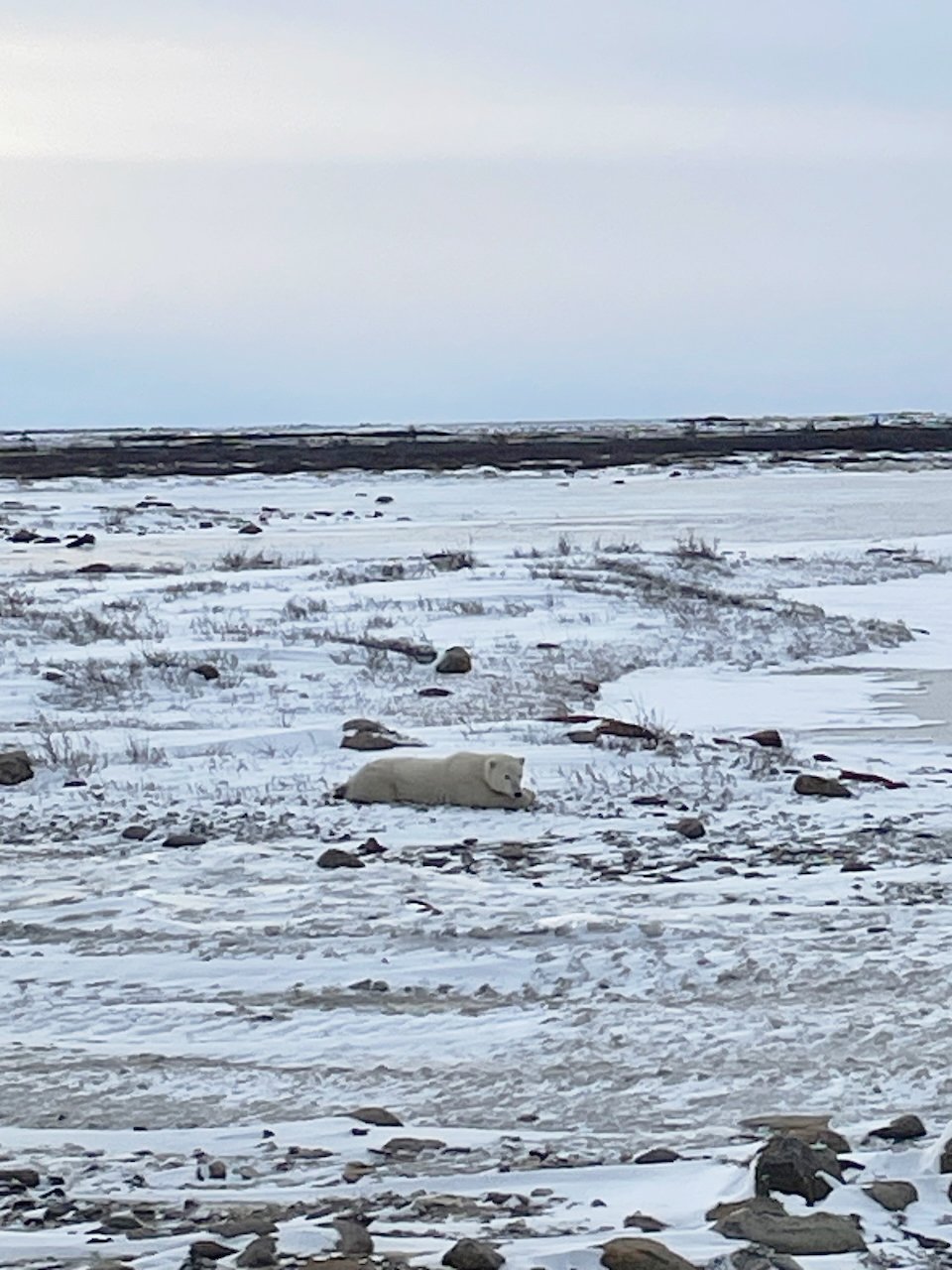
You may wonder how the world’s largest land predator could sneak up on anything, but on the tundra they are cloaked perfectly by their surroundings. It is only until you observe the slightest of movement that you realize the rock in front of you is actually a polar bear curled in slumber. And that is what the mother bear and her two curious and playful cubs encountered next (and for the remainder of our excursion).

Sensing a potential threat in the immediate vicinity, the mother bear paused and stood on her hind legs sniffing at the air as the cubs continued to frolic unaware. Within a few minutes, she hurriedly turned around nudging her cubs to follow, which they did diligently. A large male bear who, up until then, had been asleep a couple dozen yards away twitched and also scoped the immediate area. The mood on the tundra buggy noticeably shifted as we were reminded that we are in the wild and these were wild animals; in nature, male polar bears may attack and kill cubs for sustenance or to mate with the mother, thus securing their own line of succession.

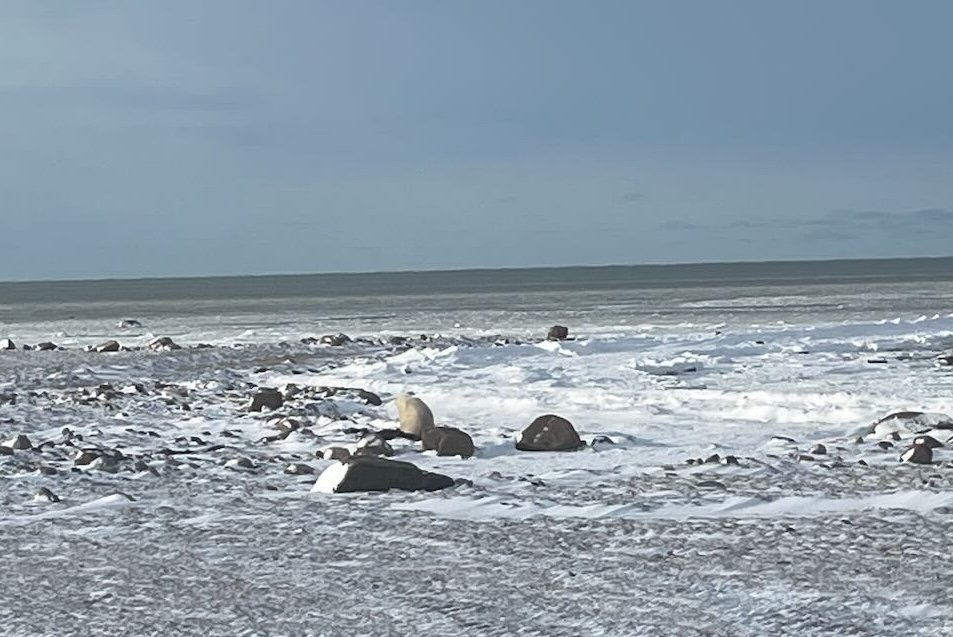
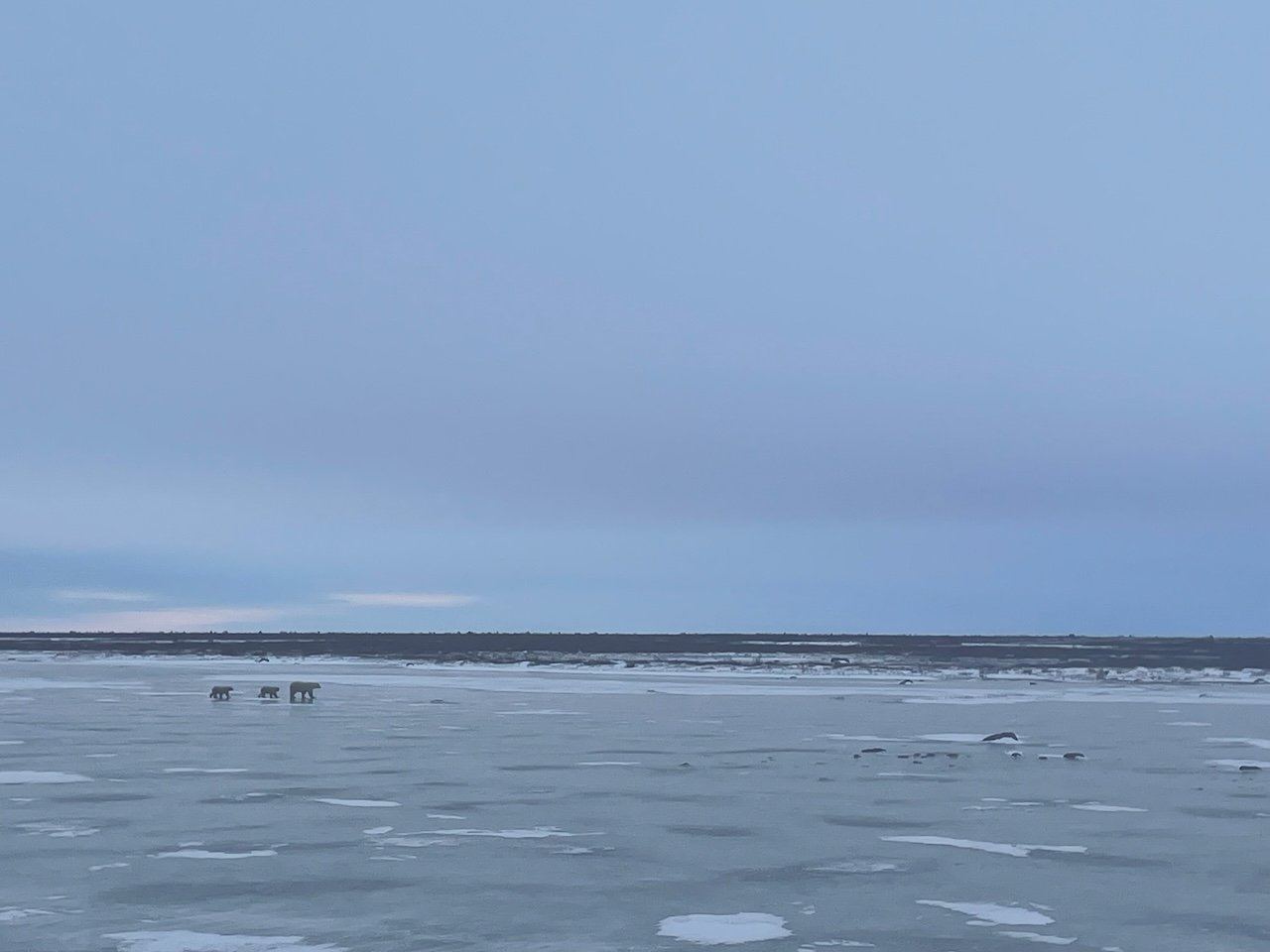
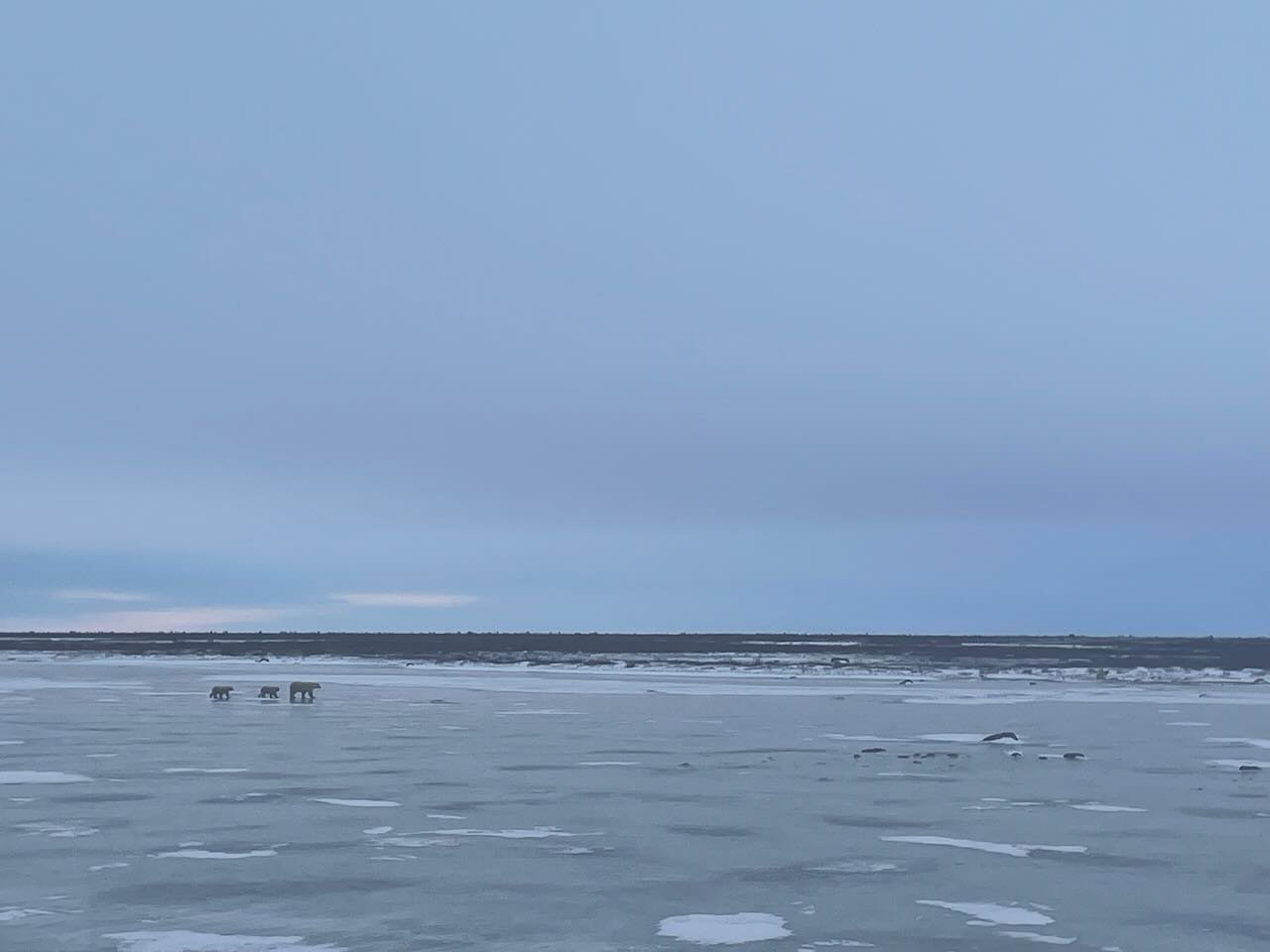
Can you spot the bear in this photo? (©2024, Deborah Clague).

As the mother bear and her cubs escaped, the large male returned to slumber and our tundra buggy driver decided upon another location for us to enjoy lunch.

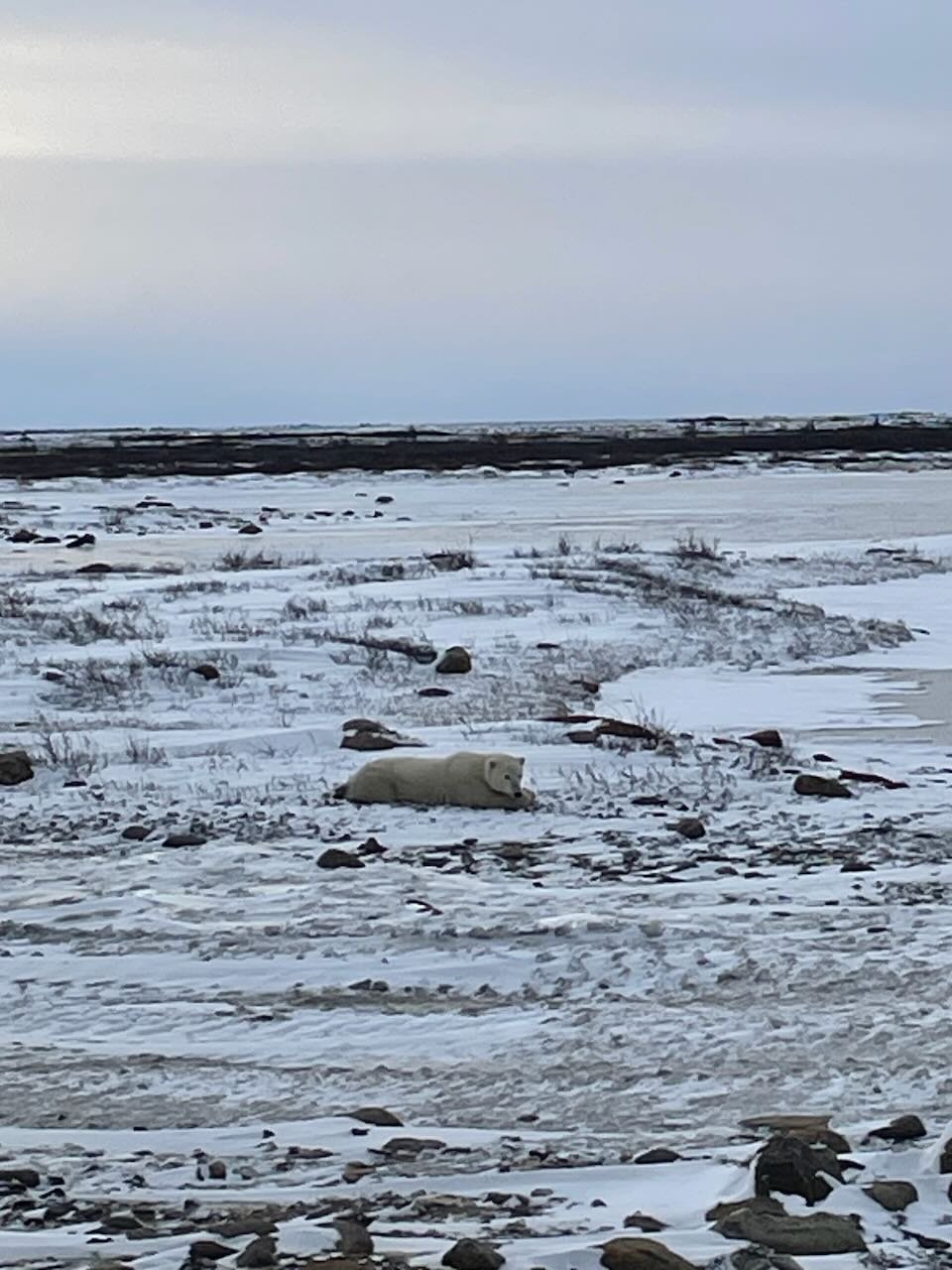
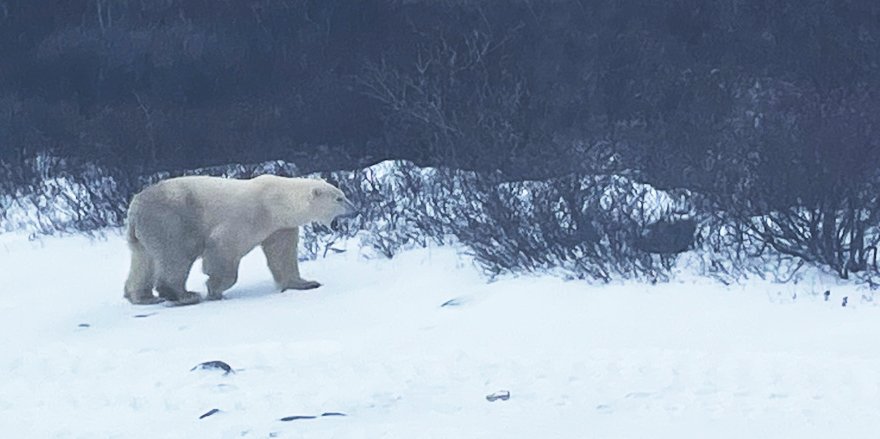
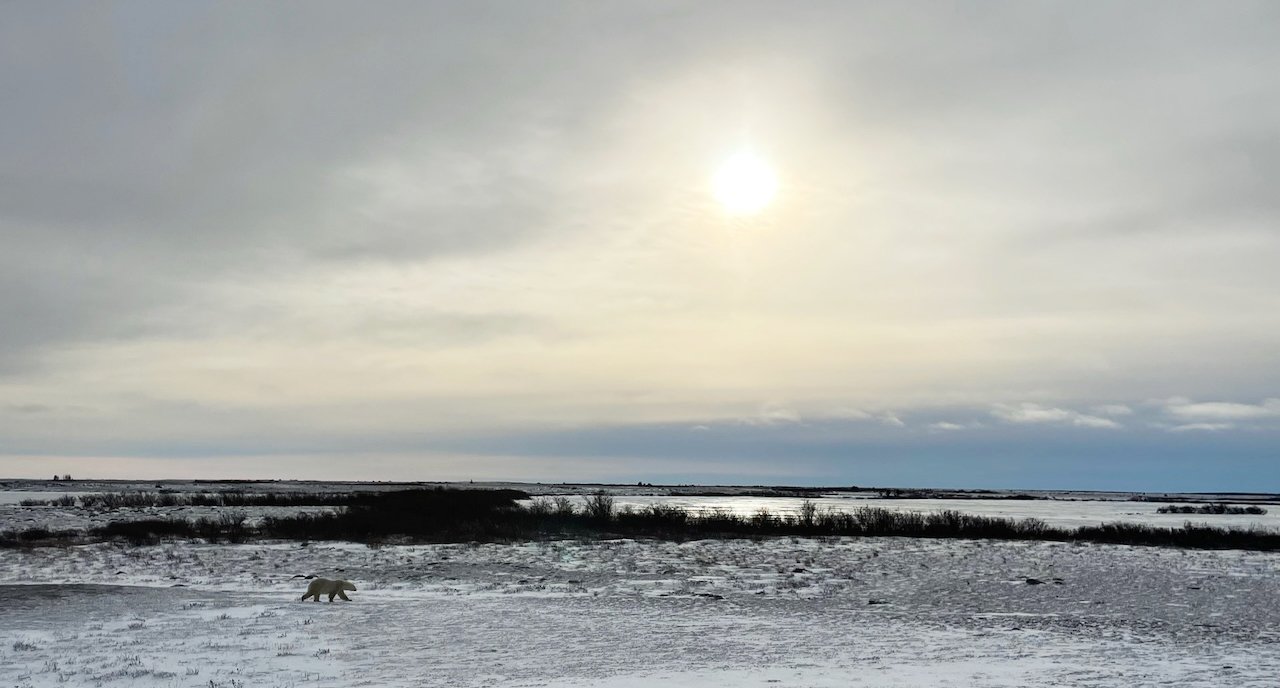
Not too far away, another large male polar bear was lounging in the snow. We parked next to it and I enjoyed a delicious roast beef sandwich with warm soup, thinking to myself “how many people can say they dined with an actual polar bear?” Now I, for one, could! When not actively hunting or in pursuit, these creatures are actually quite lazy, spending most of their day conserving energy for when it counts. This unfazed bear stayed next to us for an hour as we ate. In a few day’s time, once Hudson Bay was frozen over and his long seasonal trek across it would begin, his life would be much different.

My lunch date, Churchill, Manitoba (©2024, Deborah Clague).

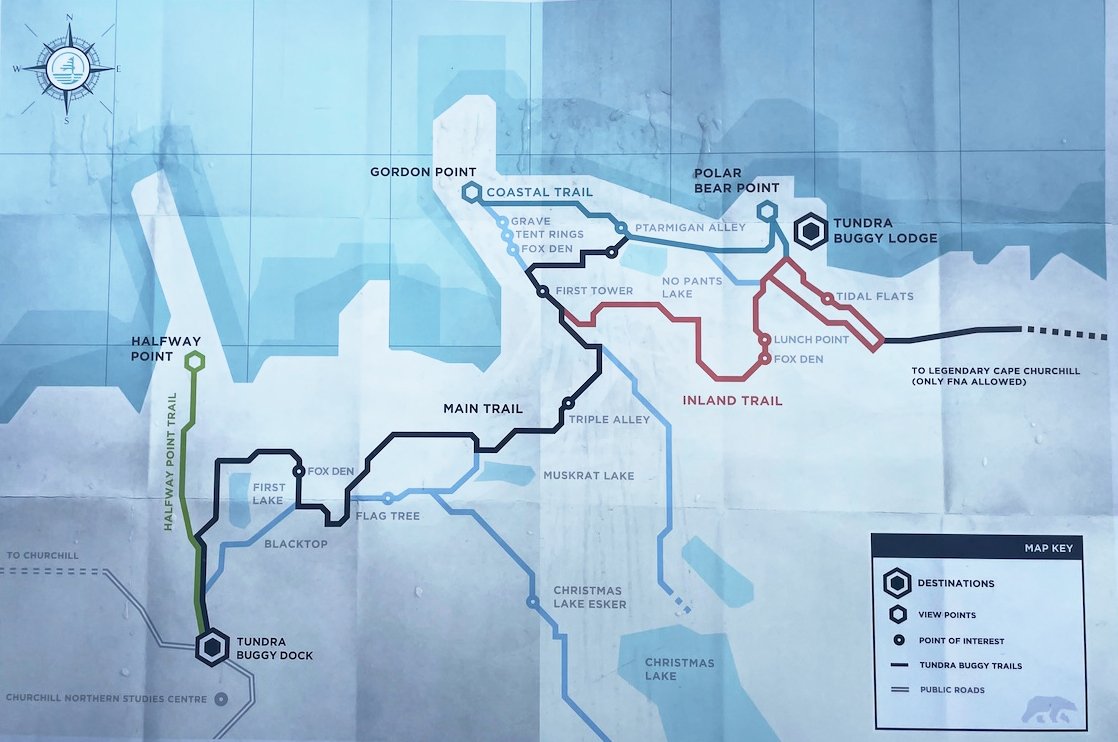
Looping around Polar Bear Point, we again came across the mother bear with her two cubs. It appeared she was trying to take her family north but a gauntlet of male polar bears inhibited her progress including one who gave chase before seeming to give up and turn away. We then watched her turn west, crossing the curiously named “No Pants Lake”. As it was almost time to head back for the day, the setting and light offered one last chance to preserve our memory. I made my way to the open deck of the tundra buggy for a clearer shot. It was getting quite cold and few other travellers joined me, save for an older gentleman with a set of binoculars.

“There’s another bear stalking her” he said to me.

“Where?” I asked, while squinting to see where it was. The man handed me his binoculars and pointed to a ridge of tall grass on the opposite side of the lake. Sure enough, if you looked ever so closely, there was a cream-coloured shape stealthily moving towards the mother bear and her cubs. She would get no rest today.

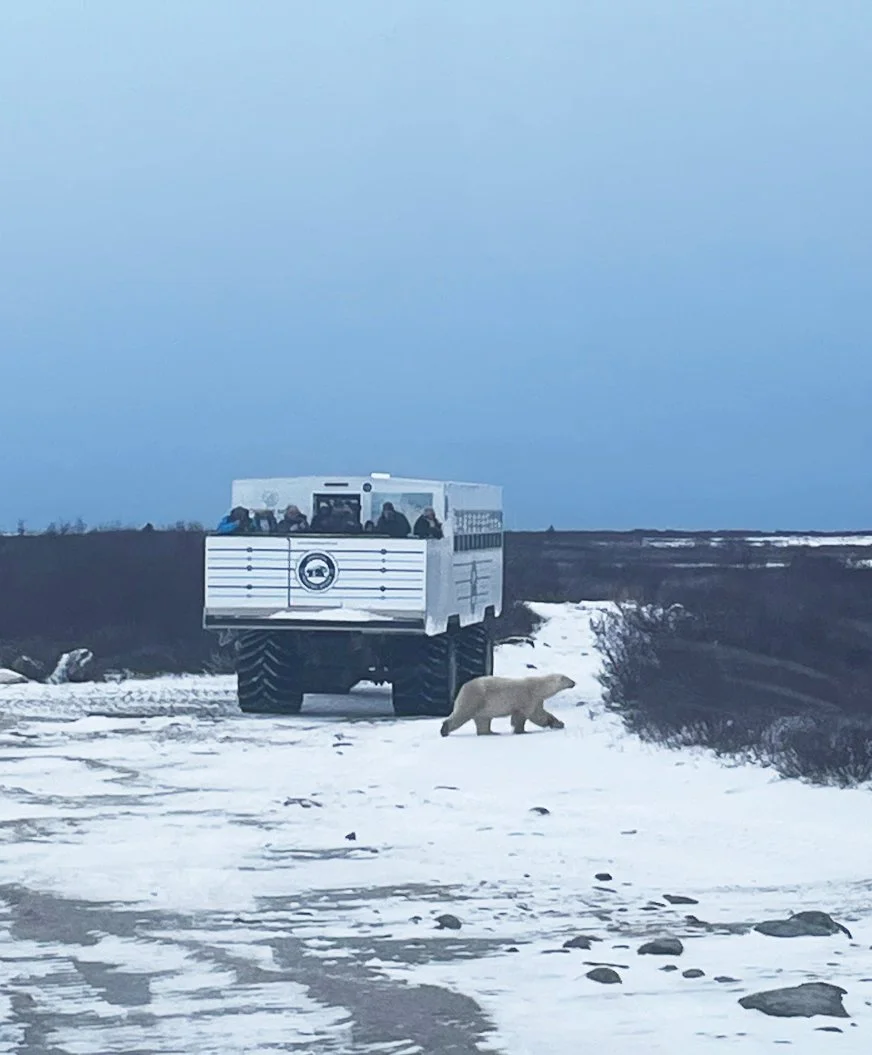
The mother bear seemed to know that the tundra buggies might provide safety and she headed directly our way with the male bear in pursuit, now completely visible as they all made their way across the frozen lake. Once covered by us, she darted into the tall grass terrain herself and seemingly disappeared. In comparison, the male bear took time to investigate the tundra buggies offering the day’s most up-close and personal view of their stature and strength. It was an unforgettable moment to end an unforgettable day.

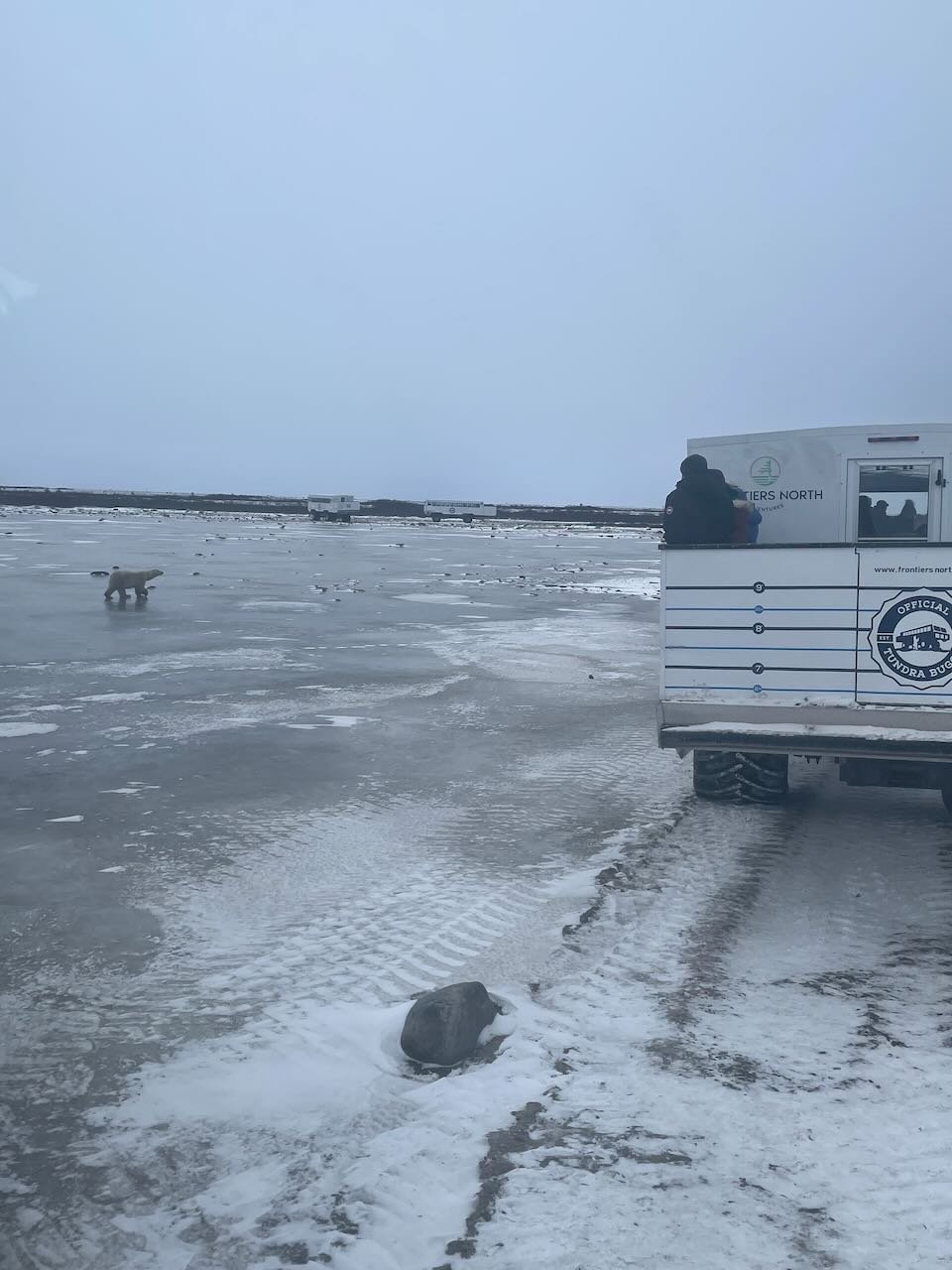
The mother bear and her cubs cross No Pants Lake (©2024, Deborah Clague).

An up close and personal polar bear encounter in Churchill, Manitoba (©2024, Deborah Clague).

Polar Bear Point, Churchill, Manitoba (©2024, Deborah Clague).

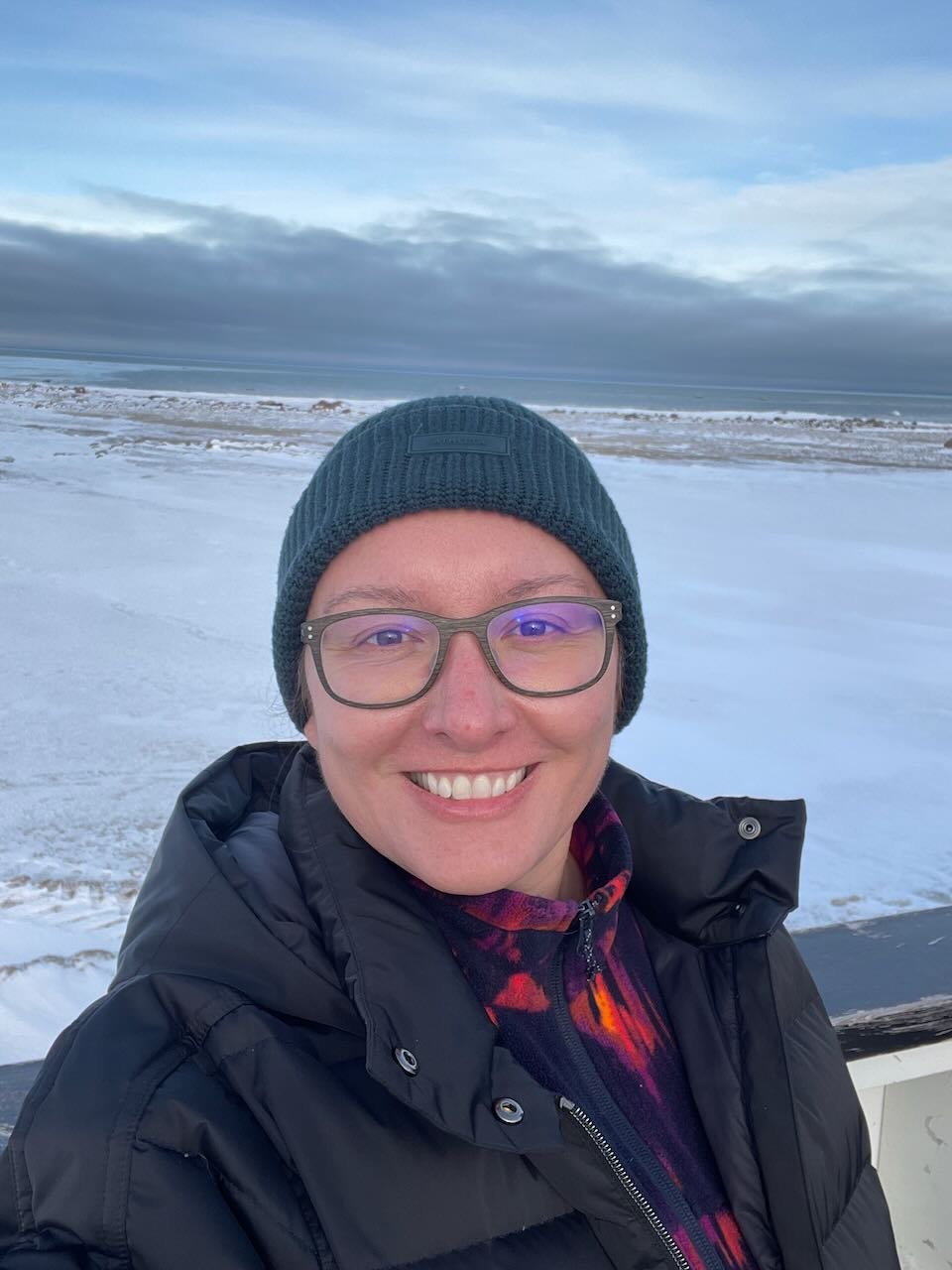
At Hudson Bay, Churchill, Manitoba (©2024, Deborah Clague).

The Arctic, Part III

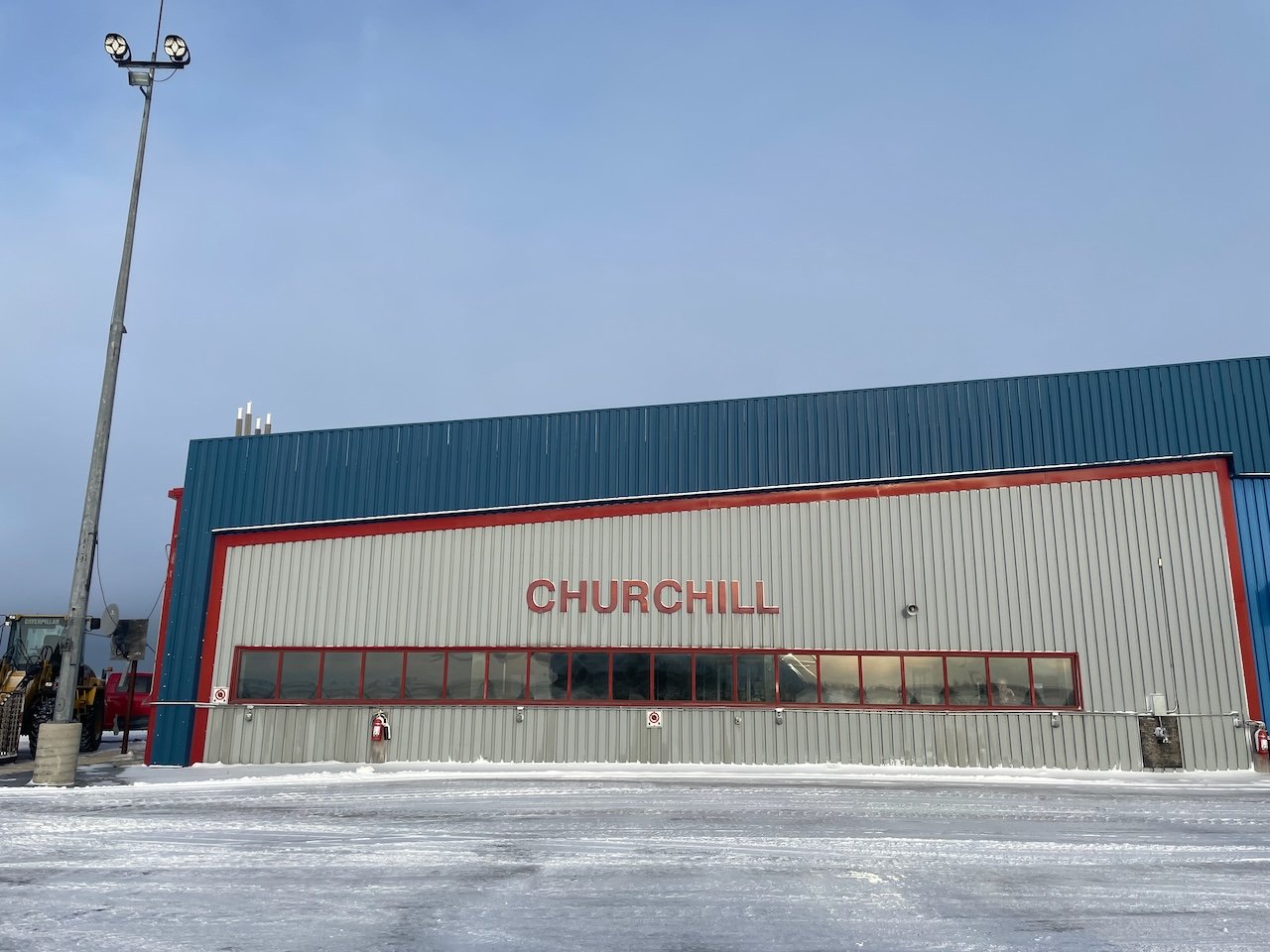
During the 20-minute drive from Churchill proper to the tundra buggy loading dock, we encountered a number of white pick-up trucks racing down side roads. “They are also searching for polar bears” announced the guide, although I wasn’t certain how successful they could possibly be. The noise and speed seemed counterintuitive to sneaking up on anything. Up above in the sky were endless helicopters doing the same thing. At first I thought they were there to monitor the landscape, tracking bears that were, perhaps, getting too close to the townsite. Nope. They were also full of tourists. The brief window of opportunity to see the world’s largest land predator in the wild was a calling card for many. Because of this, I would bet the population of Churchill was double the time I was there.

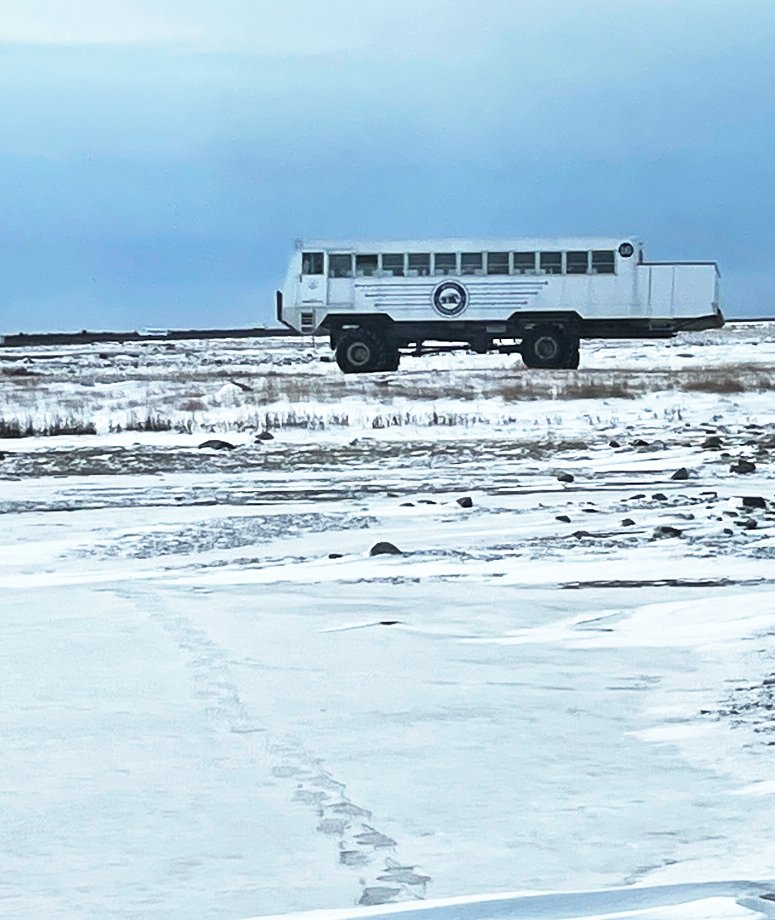
Tundra buggies are a unique form of transportation specific to Churchill, Manitoba. The first tundra buggy was actually invented by Frontiers North, the same tourism company I was traveling with. They are large and can fit roughly 40 passengers, each seat offering a great unimpeded view. There is also an outside deck. They have one washroom at the rear of the vehicle that can only be used when stopped. There are no barf bags offered on board. I highlight these last two details because I have never, ever, felt so nauseous as I did riding one.

Now I love amusement parks and other thrill-seeking activities. The higher and faster a rollercoaster, the better. This, however … this slow, bumpy ride just didn’t sit well with me. I felt sick and on the verge of losing my lunch the entire time we were moving. Considering I was one of the younger people on my tour, I couldn’t show this weakness though. The retirees would have laughed.

And despite being slow, the ride was jarring at times. We got semi-stuck in an icy half-frozen ditch, our driver having to hang his head out the window to ensure we were clearing it and could continue on our journey. At one point it felt like we were very close to tipping over and another passenger inquired if it had ever happened. The driver confirmed that a tundra buggy has never tipped over. They aren’t built that way. As they weren’t equipped with seatbelts, I trusted he was telling the truth.


At about thirty minutes in, another passenger excitingly called out a sighting of a bear. Everyone moved to the left-hand side of the vehicle straining to see where it was. Those with binoculars confirmed it was true. And then I saw it. Far (far) in the distance, I could see a creamish four legged creature slowly walking across the tundra, the gait very obviously of a bear. It felt amazing. Had I not seen anything else that day, I would have felt I got my money’s worth. Little did I know though, that the day was just beginning and I would have a first-class seat to the natural predation habits of the wild in the Arctic.