Prologue: Field Notes from the Top of the World part II

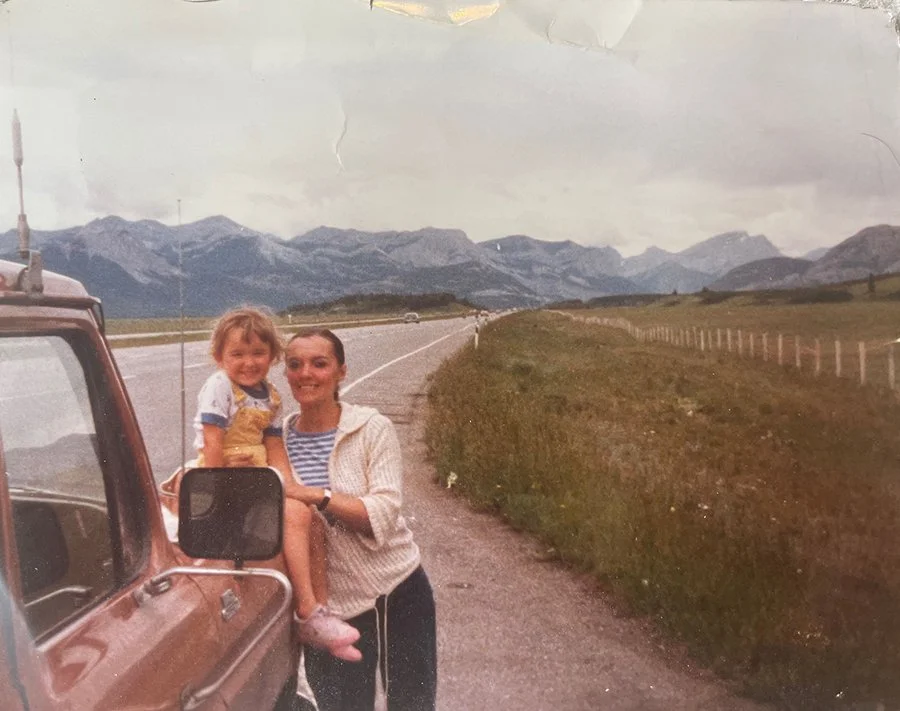
A young family hits the road in their terracotta-hued ‘79 Ford F-Series, destination the Black Hills of South Dakota. Sleeping bags and mats lined the bed, which was covered with a camper shell converting the vehicle to a makeshift RV. The child sat in the middle of the truck’s cab, in between her parents, wide-eyed at the open highway that laid ahead. Her father had told her stories of where they were heading. The lore of cowboys and the Wild West intrigued her, as did stops with oddities like Wall Drug. A sense of adventure had already been planted by formatively watching films like Indiana Jones and now she would be on her own. The first of many.

The young adventurer on a road trip to Banff National Park in the terracotta Ford F-Series, 1980s (©Deborah Clague)

The road trips continued throughout her teenage years, although accommodations varied from the compact Bonair trailer her father purchased and budget off-brand hotels with flickering signage that were often located at the edge of the cities they visited. Staying at a Super 8 was considered luxurious (and was a rarity), although a stolen towel embossed with the Holiday Inn logo might prove that the family did actually once stay at something a bit “higher end”. As for adventure, a trip to Mexico offered elevated excitement–and stress–as masked men armed with machine guns stopped and boarded an intercity bus her and her father were traveling en-route from Cancun to Playa del Carmen. It was her first reality of life being finite. She believed the men were a cartel and she was about to be kidnapped … and perhaps murdered; but in the end, it was actually Mexican authorities entering the bus to find just those people and the event became another story to add to her future memoir.


Younger me can feel like an old, distant friend but I always see the throughline to who I’ve become: a curious woman who still loves learning, nature and wildlife, and experiencing adventure.

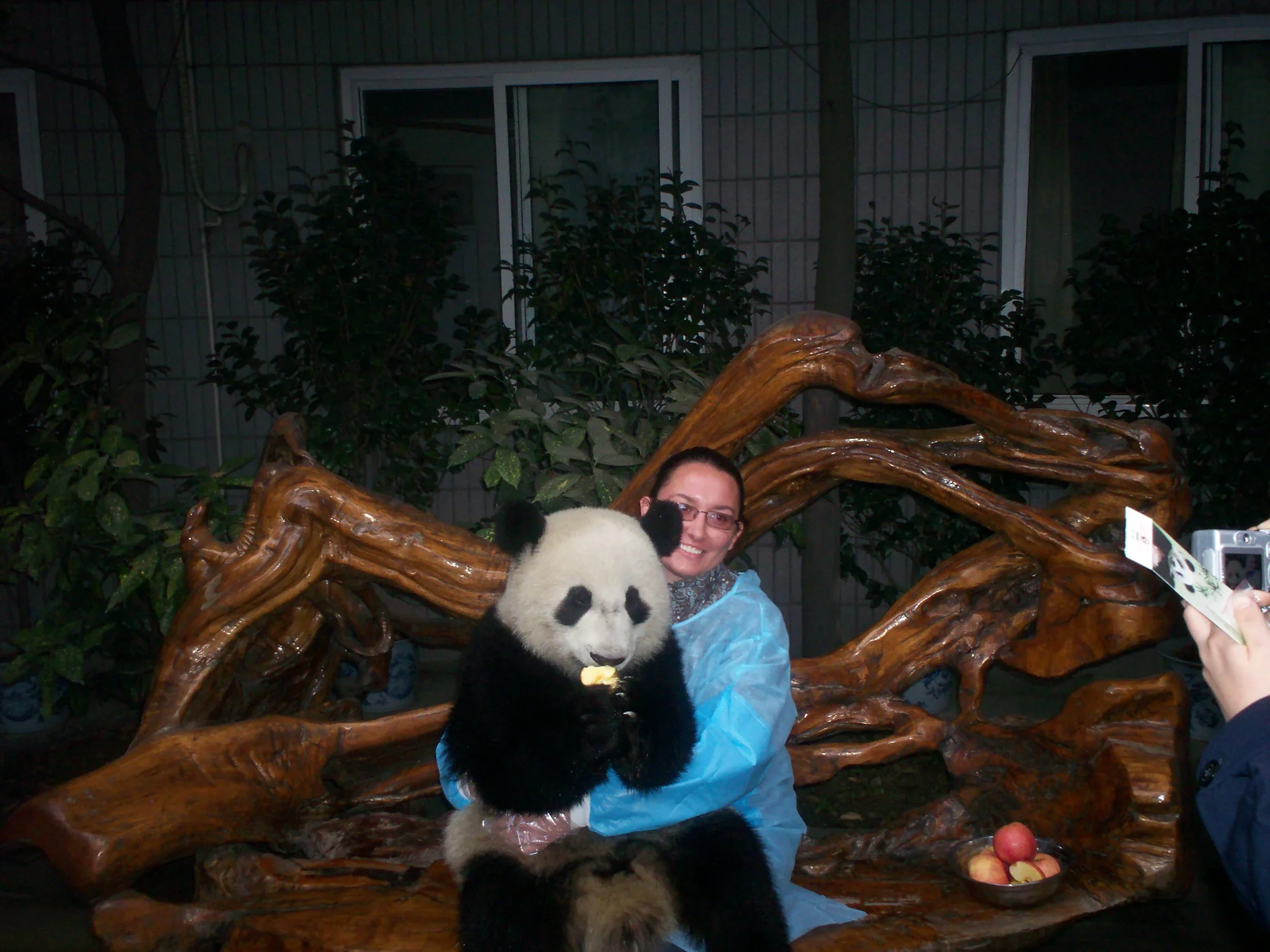
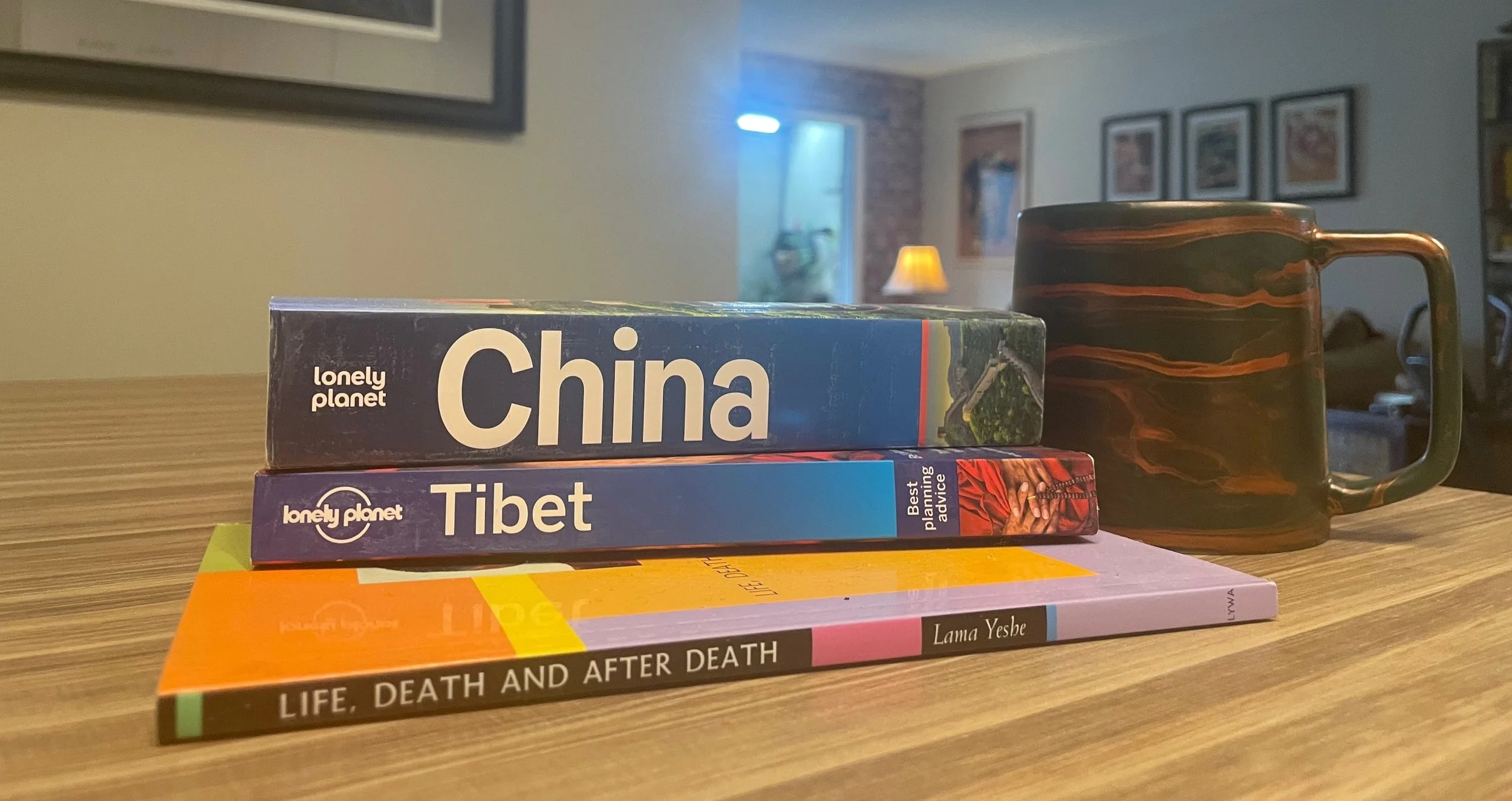
In the mid-00s, China first piqued my interest after flipping through a Lonely Planet travel guide at my local bookstore. A specific footnote about the Giant Panda Research Base in a city I had never heard of (Chengdu) caught my attention. It mentioned the possibility of seeing and even interacting with baby pandas. Daydreaming about this experience turned to planning and I eventually embarked on a backpacking adventure around the country with my late father. It was one of the most memorable trips of my life, although at the time it felt like we were constantly at the mercy of the rhythm of a culture we were woefully unfamiliar with (and, admittedly, had a lot of culture shock from). I even wrote about my travels in a series titled “The Worst Day of My Life”, part 1, part 2 and part 3. In retrospect, that title is hyperbole.

I eventually got to see and hold a baby panda, survived eating mystery street food, and, despite being on the verge of a meltdown, learned so much about an entirely new world and myself. Without experiencing the contrast of a place like China compared to my homeland of Canada, I never would have developed the mental fortitude to continue on with all of my other (solo) travels around the world. I never would challenge myself. And my life would have become so much more boring as a result. My future memoir is stacked.

At Giant Panda Research Base in Chengdu, China (2007, ©Deborah Clague).


Throughout my twenties, my bank account had cobwebs. The minuscule amount of savings didn’t give much stress though. It was a different time, after all. No social media or “influencing”. A predictability and comfort in life, even in middle class. Trump remained a self-inserted tabloid fixture and reality television star. I wasn’t scared of technology eradicating my career.

Life was good.

With age and wisdom, I am sometimes conflicted about not saving more for a home when they were actually affordable or accumulating for that sweet, sweet compound interest. But the other part of me–the one that feels most authentic to my true self–knows that money does not equate to wealth. The things I did invest in have given me growth in ways that are intangible.

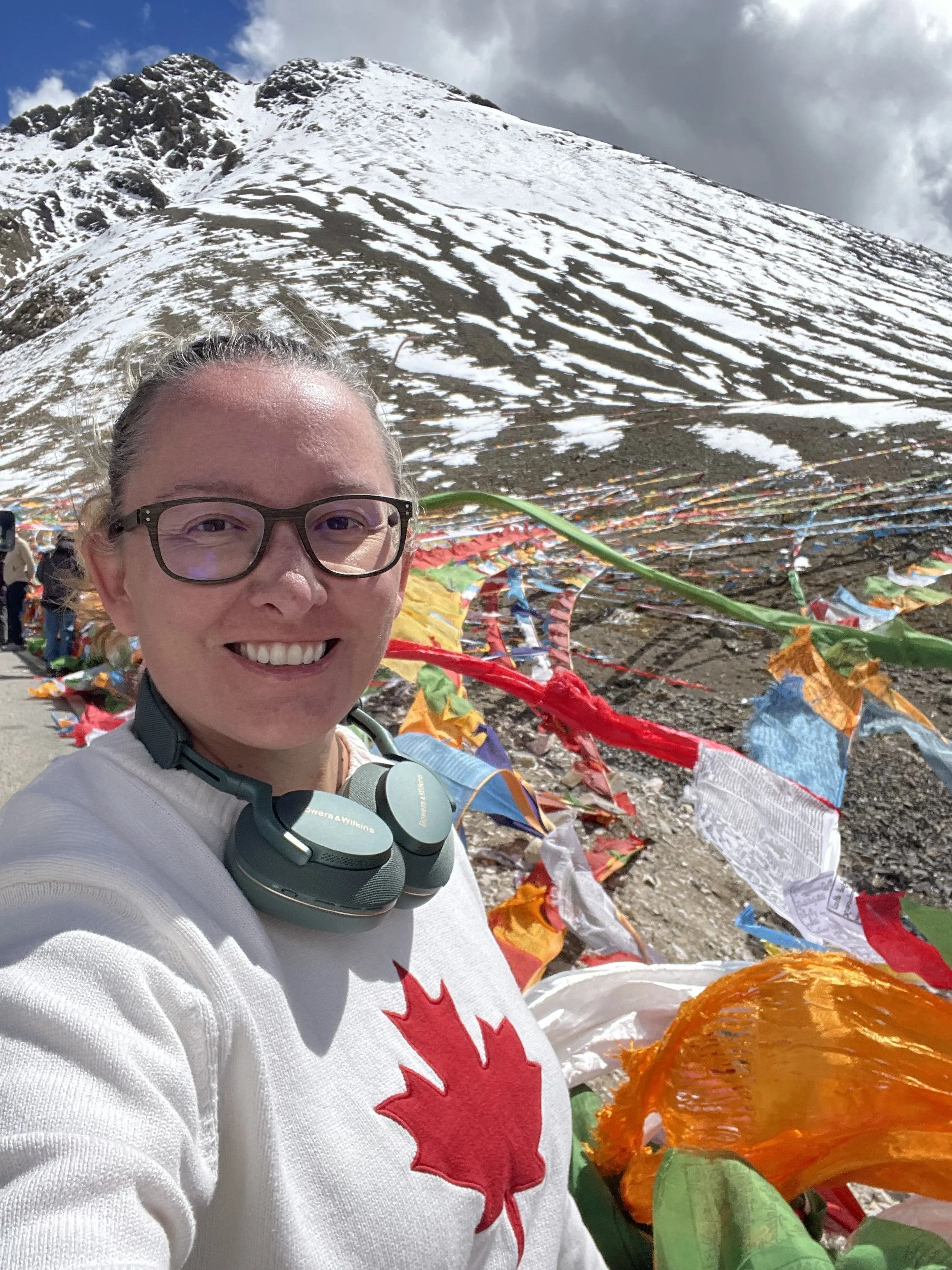
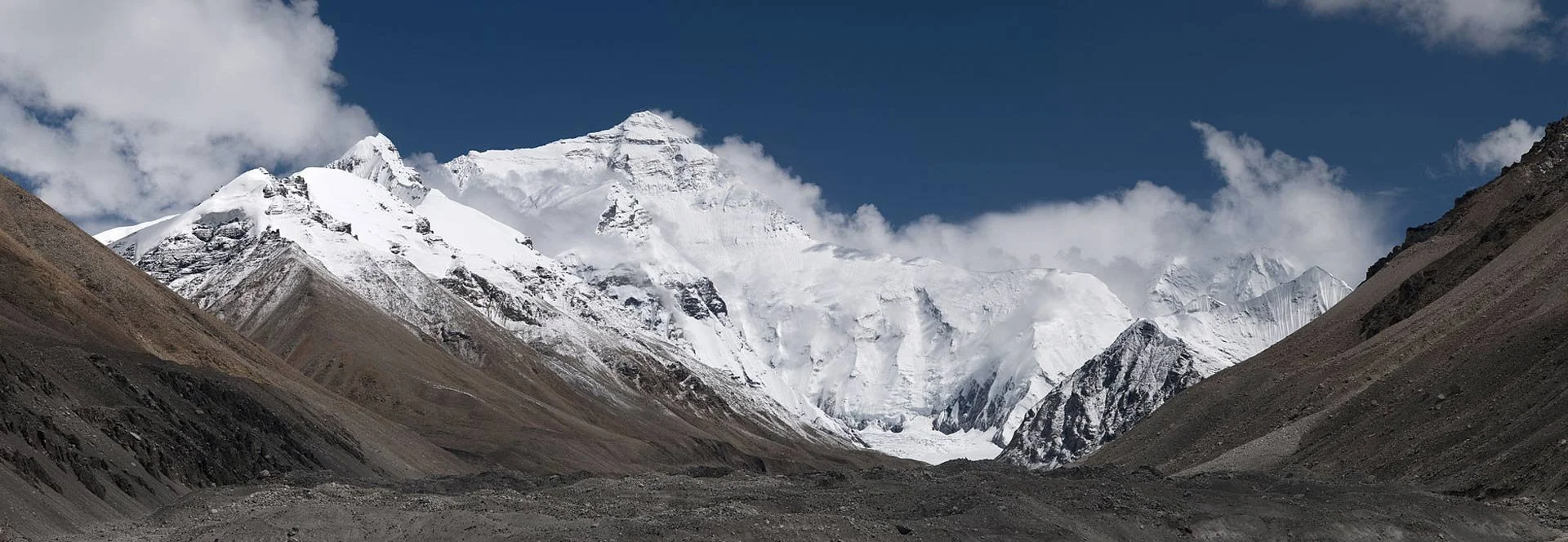
I look forward to my upcoming trip where I will return to China (Chengdu and Chongquin), ride the world's highest railway to Tibet and visit Everest Base Camp.

This will be one of the greatest adventures of my life.

Childhood me would be so proud.

Featured Work: Fertilizer Management Program

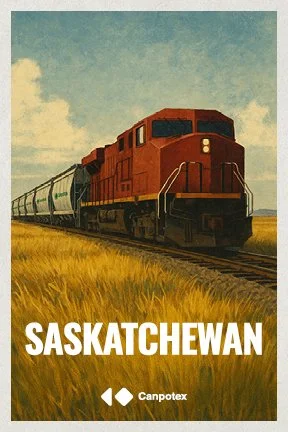
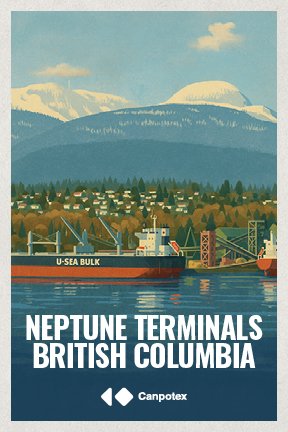
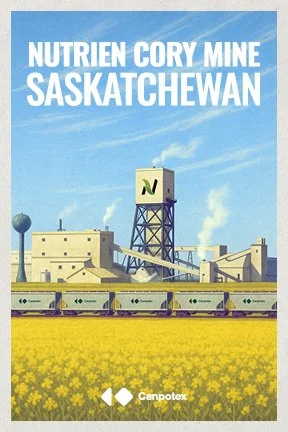
From prairie to peak to coast, Canada is a beautiful country. It has been my pleasure to work on a project that celebrates the topographical diversity of its western landscape through a series of vintage travel-style postcards of locations in Saskatchewan, Alberta and British Columbia. This project, in promotion of Canpotex’s Fertilizer Management Program, also highlights the strength of the Canadian mining industry and its commitments to reliability, efficiency and safety.

The Canpotex Fertilizer Management Program provides international customers with an immersive, hands-on experience of the entire potash supply chain in Canada from mine to port. Participants visit the Canpotex head office located at River Landing, Saskatoon; Canpotex railcar maintenance facility in Lanigan (SK); shareholder mines across Saskatchewan including Nutrien Cory Mine in Saskatoon and Mosaic Belle Plaine Mine in Regina (SK); as well as supply-chain operations in Calgary (AB), and Neptune Terminals in the Port of Vancouver (BC). In addition to souvenir postcards featuring the locations of their stops, a visitor passport was developed that provided additional information and context about their operations.

I am proud to call this land home.

Media: Print, Social
Software used:
Procreate, Adobe Photoshop, Adobe InDesign
Launch: Summer 2025

Featured work: Canpotex 2025 Stakeholder Report

The Canpotex Stakeholder Report, Delivering Canadian Excellence to the World, shares the Canadian potash exporter's journey in 2024, which was marked by significant milestones and an unwavering commitment to their vision of being the vital link in global food security. I did art direction and design for the piece emphasizing engagement through visual storytelling. Immersive photography featured their head office in Saskatoon, Saskatchewan, alongside the global markets they reach; while infographics distilled complex information into user-friendly data.

The document was distributed digitally and through print.

To read in full, visit this link.

Media: Digital, Print
Software used:
Adobe InDesign, Adobe Illustrator, Adobe Photoshop, Adobe Acrobat
Launch: Summer 2025