Featured Work: Fertilizer Management Program

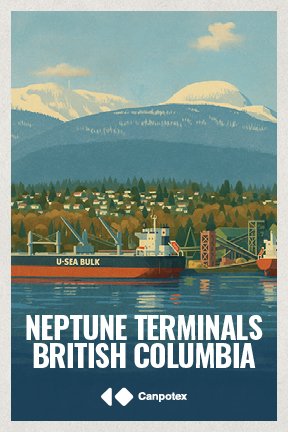
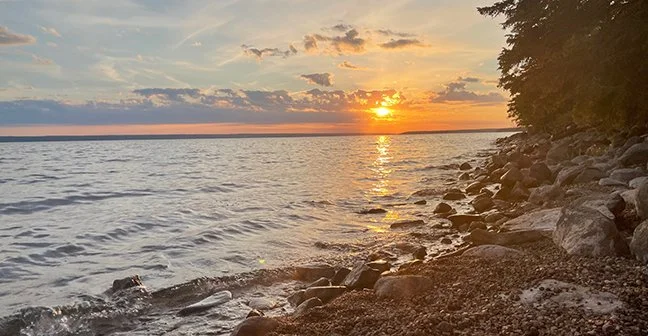
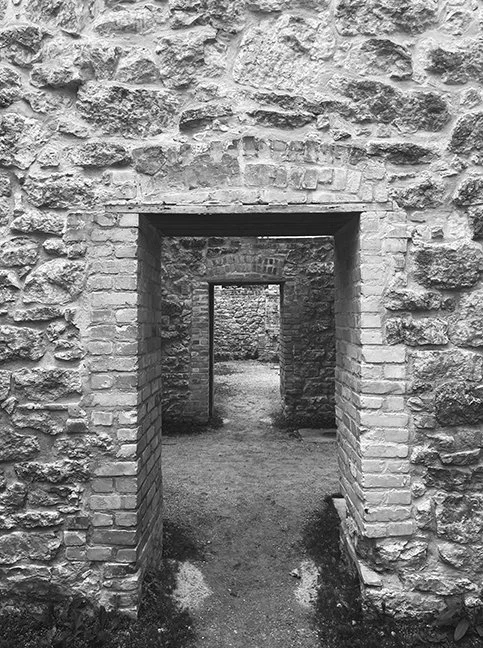
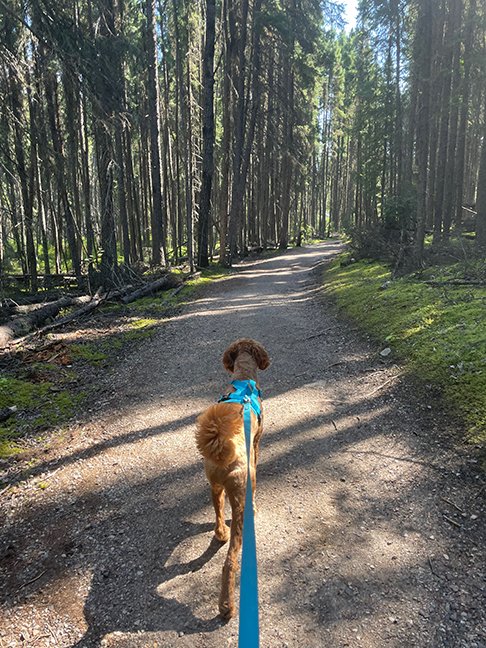
From prairie to peak to coast, Canada is a beautiful country. It has been my pleasure to work on a project that celebrates the topographical diversity of its western landscape through a series of vintage travel-style postcards of locations in Saskatchewan, Alberta and British Columbia. This project, in promotion of Canpotex’s Fertilizer Management Program, also highlights the strength of the Canadian mining industry and its commitments to reliability, efficiency and safety.

The Canpotex Fertilizer Management Program provides international customers with an immersive, hands-on experience of the entire potash supply chain in Canada from mine to port. Participants visit the Canpotex head office located at River Landing, Saskatoon; Canpotex railcar maintenance facility in Lanigan (SK); shareholder mines across Saskatchewan including Nutrien Cory Mine in Saskatoon and Mosaic Belle Plaine Mine in Regina (SK); as well as supply-chain operations in Calgary (AB), and Neptune Terminals in the Port of Vancouver (BC). In addition to souvenir postcards featuring the locations of their stops, a visitor passport was developed that provided additional information and context about their operations.

I am proud to call this land home.

Media: Print, Social
Software used:
Procreate, Adobe Photoshop, Adobe InDesign
Launch: Summer 2025

Featured work: Canpotex 2025 Stakeholder Report

The Canpotex Stakeholder Report, Delivering Canadian Excellence to the World, shares the Canadian potash exporter's journey in 2024, which was marked by significant milestones and an unwavering commitment to their vision of being the vital link in global food security. I did art direction and design for the piece emphasizing engagement through visual storytelling. Immersive photography featured their head office in Saskatoon, Saskatchewan, alongside the global markets they reach; while infographics distilled complex information into user-friendly data.

The document was distributed digitally and through print.

To read in full, visit this link.

Media: Digital, Print
Software used:
Adobe InDesign, Adobe Illustrator, Adobe Photoshop, Adobe Acrobat
Launch: Summer 2025

The Arctic Part V

The tundra buggy parked parallel to Hudson Bay offering each traveller an unspoiled view of this Arctic vista, made even more special by the fact that a mother polar bear was passing by with her two young cubs. Everyone on board remained silent, not wanting to draw fear–or ire–from them. The only sound audible was the steady click of a camera lens. I tried to take everything in, marvelling at the beauty and wonder of nature laid before me in what started as a feeling of being overwhelmed by it but then evolved to sadness at how the passing of time (and climate change) would alter it in the future. Thought of the hardship these majestic creatures face, including their potential extinction, left me misty-eyed. What will the Arctic look like in one hundred years? I felt very blessed to see it now.

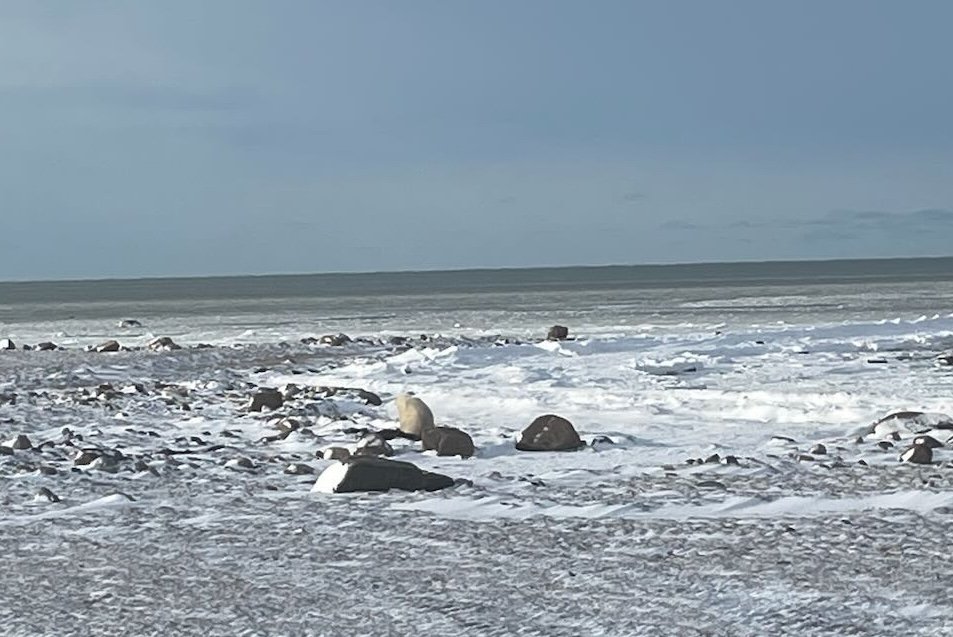
You may wonder how the world’s largest land predator could sneak up on anything, but on the tundra they are cloaked perfectly by their surroundings. It is only until you observe the slightest of movement that you realize the rock in front of you is actually a polar bear curled in slumber. And that is what the mother bear and her two curious and playful cubs encountered next (and for the remainder of our excursion).

Sensing a potential threat in the immediate vicinity, the mother bear paused and stood on her hind legs sniffing at the air as the cubs continued to frolic unaware. Within a few minutes, she hurriedly turned around nudging her cubs to follow, which they did diligently. A large male bear who, up until then, had been asleep a couple dozen yards away twitched and also scoped the immediate area. The mood on the tundra buggy noticeably shifted as we were reminded that we are in the wild and these were wild animals; in nature, male polar bears may attack and kill cubs for sustenance or to mate with the mother, thus securing their own line of succession.

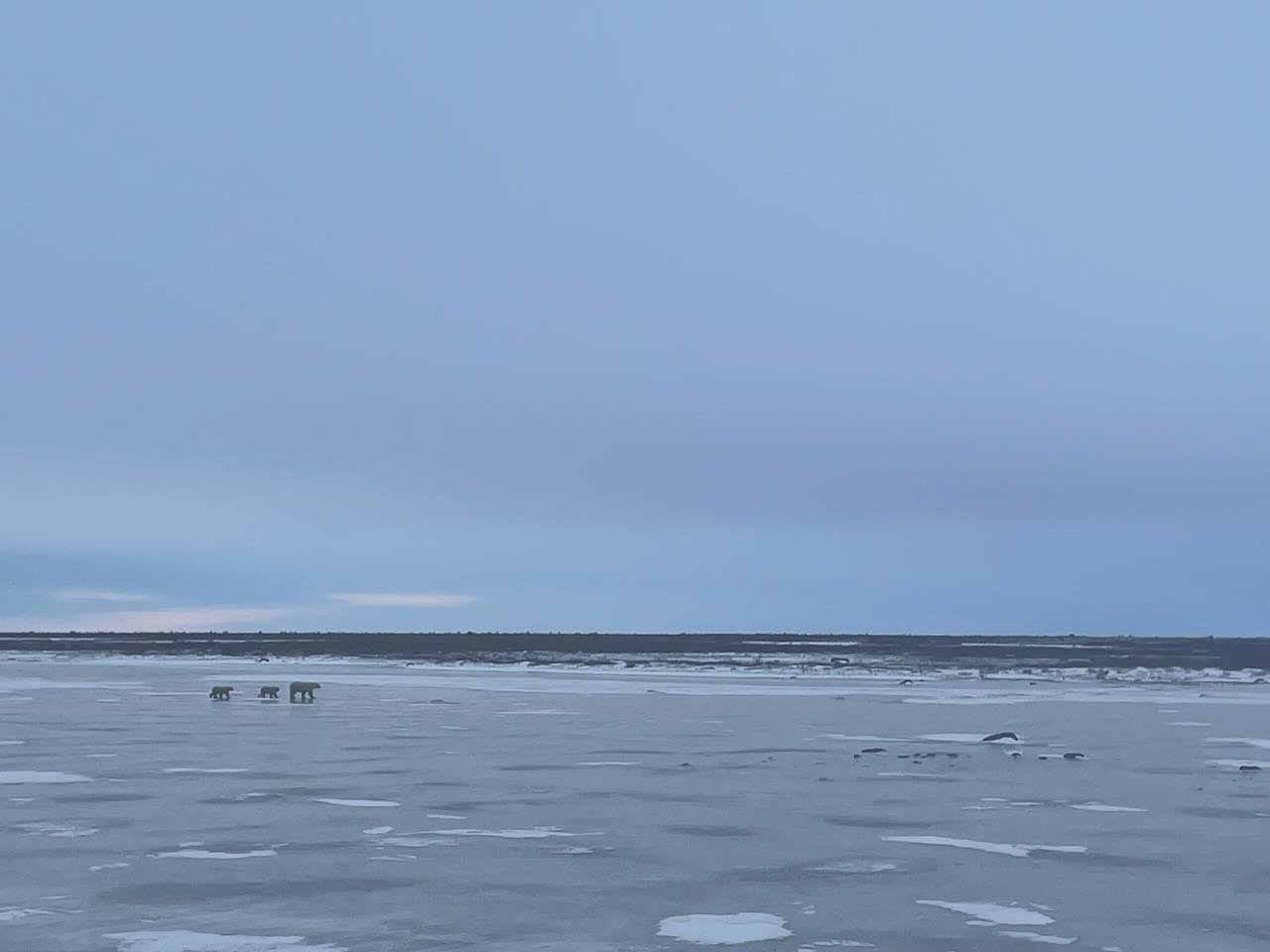
Can you spot the bear in this photo? (©2024, Deborah Clague).

As the mother bear and her cubs escaped, the large male returned to slumber and our tundra buggy driver decided upon another location for us to enjoy lunch.

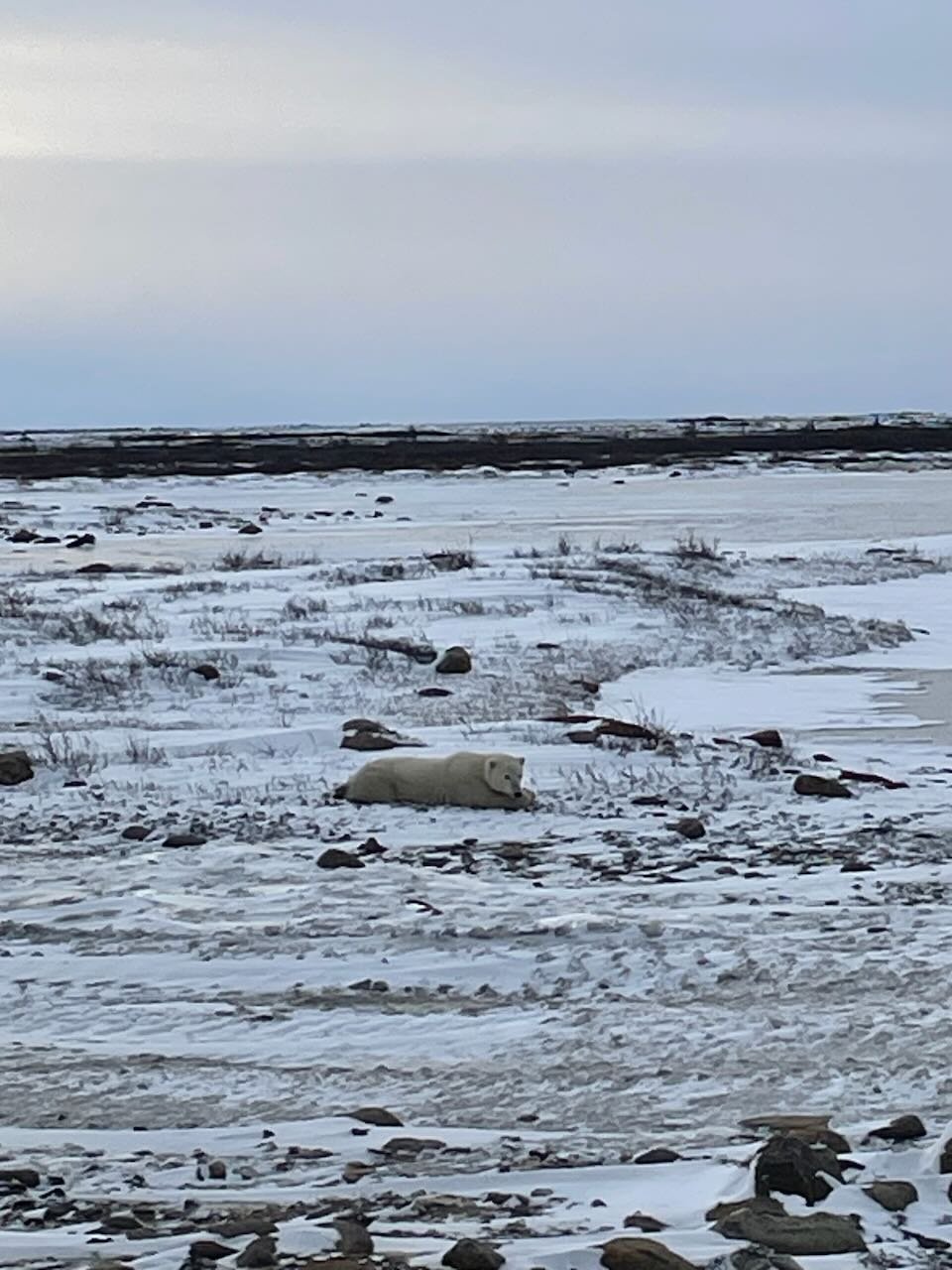
Not too far away, another large male polar bear was lounging in the snow. We parked next to it and I enjoyed a delicious roast beef sandwich with warm soup, thinking to myself “how many people can say they dined with an actual polar bear?” Now I, for one, could! When not actively hunting or in pursuit, these creatures are actually quite lazy, spending most of their day conserving energy for when it counts. This unfazed bear stayed next to us for an hour as we ate. In a few day’s time, once Hudson Bay was frozen over and his long seasonal trek across it would begin, his life would be much different.

My lunch date, Churchill, Manitoba (©2024, Deborah Clague).

Looping around Polar Bear Point, we again came across the mother bear with her two cubs. It appeared she was trying to take her family north but a gauntlet of male polar bears inhibited her progress including one who gave chase before seeming to give up and turn away. We then watched her turn west, crossing the curiously named “No Pants Lake”. As it was almost time to head back for the day, the setting and light offered one last chance to preserve our memory. I made my way to the open deck of the tundra buggy for a clearer shot. It was getting quite cold and few other travellers joined me, save for an older gentleman with a set of binoculars.

“There’s another bear stalking her” he said to me.
“Where?” I asked, while squinting to see where it was. The man handed me his binoculars and pointed to a ridge of tall grass on the opposite side of the lake. Sure enough, if you looked ever so closely, there was a cream-coloured shape stealthily moving towards the mother bear and her cubs. She would get no rest today.

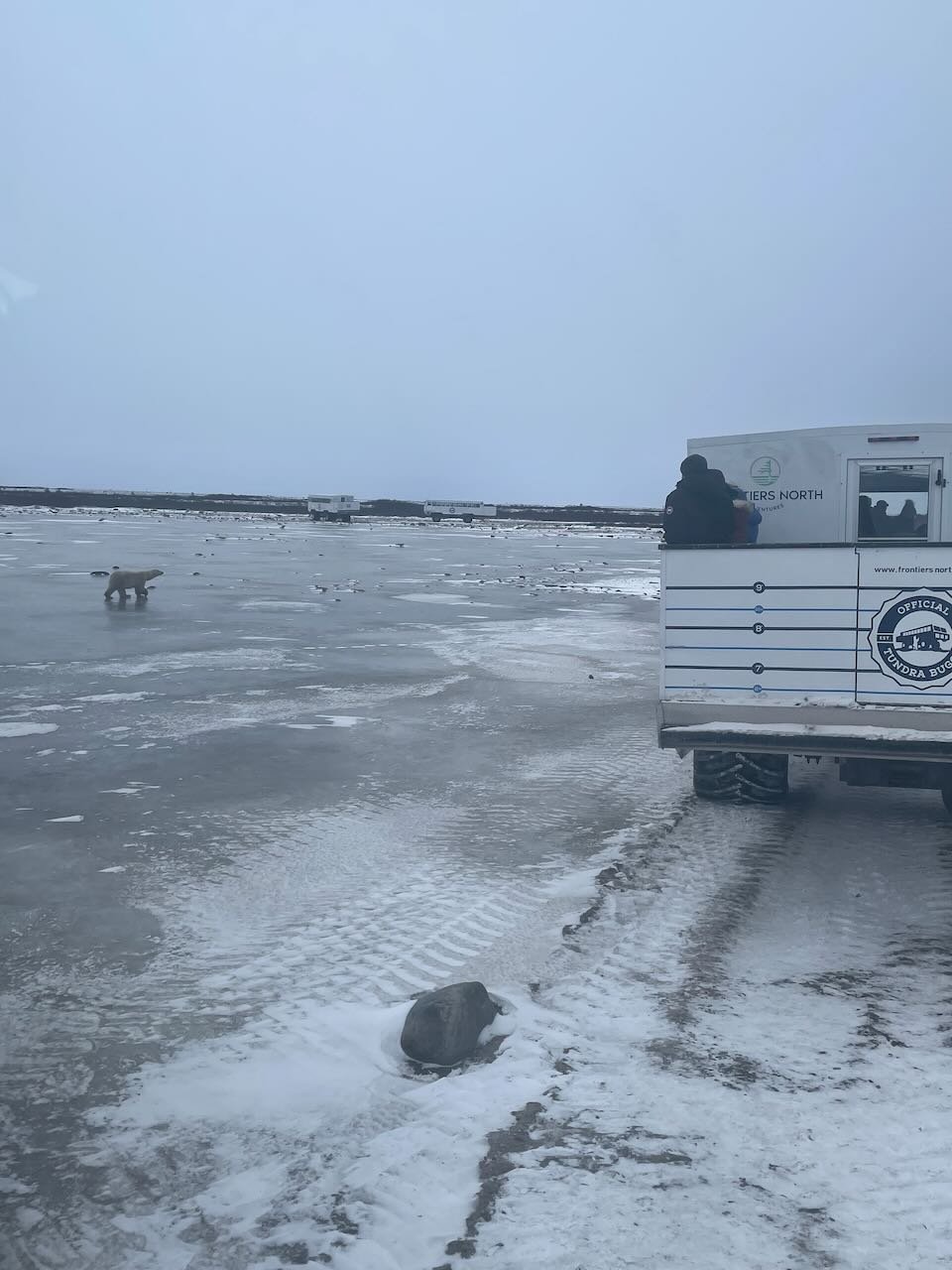
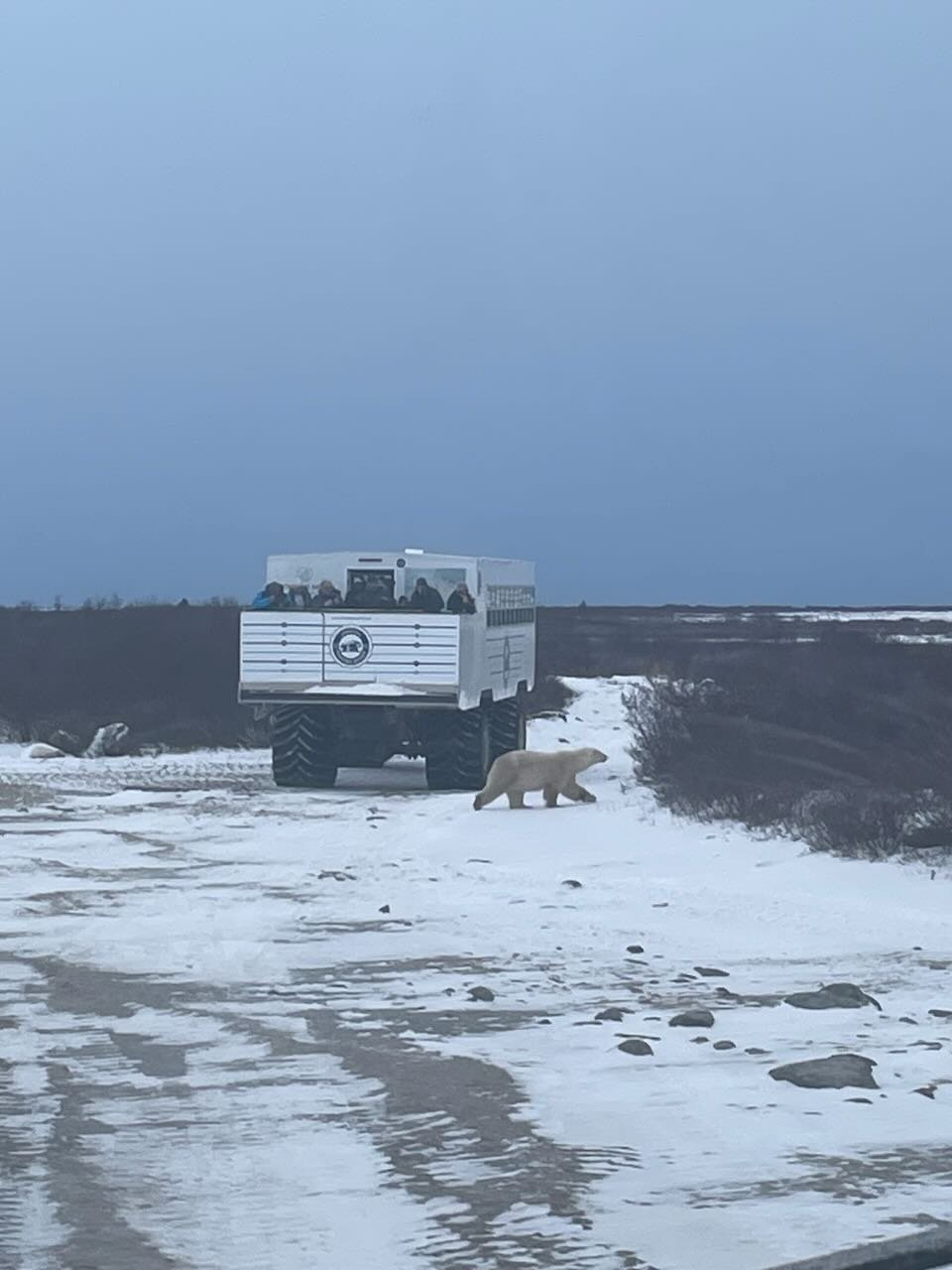
The mother bear seemed to know that the tundra buggies might provide safety and she headed directly our way with the male bear in pursuit, now completely visible as they all made their way across the frozen lake. Once covered by us, she darted into the tall grass terrain herself and seemingly disappeared. In comparison, the male bear took time to investigate the tundra buggies offering the day’s most up-close and personal view of their stature and strength. It was an unforgettable moment to end an unforgettable day.

The mother bear and her cubs cross No Pants Lake (©2024, Deborah Clague).

An up close and personal polar bear encounter in Churchill, Manitoba (©2024, Deborah Clague).

Polar Bear Point, Churchill, Manitoba (©2024, Deborah Clague).

At Hudson Bay, Churchill, Manitoba (©2024, Deborah Clague).