On the Grid II

I used to spend a lot of time dreaming about where I wanted to be. It was always somewhere other than where I was.

Growing up on the prairies of Western Canada, it was easy to feel this way. The zeitgeist of our national identity seemed to originate from Toronto and Montreal, places where media focused their energy to showcase anything of note happening. In comparison, the prairies were sleepy. Taciturn. A landscape dotted with townships frozen in time—culturally, technologically, literally. I know that’s not true but my own misguided notions of success influenced my longing until recently.

The pandemic, and all the newly discovered free time I have as a result of it, has really underlined how much I enjoy living here. How the panoramic landscape and vibrant living skies speak to my soul. How enriching and supportive the personal and professional connections I’ve made here are. How the most helpful, kind, salt-of-the-earth people reside here. Being stationary is not falling behind; it’s holding presence. The Canadian prairies are where I want to leave my mark.

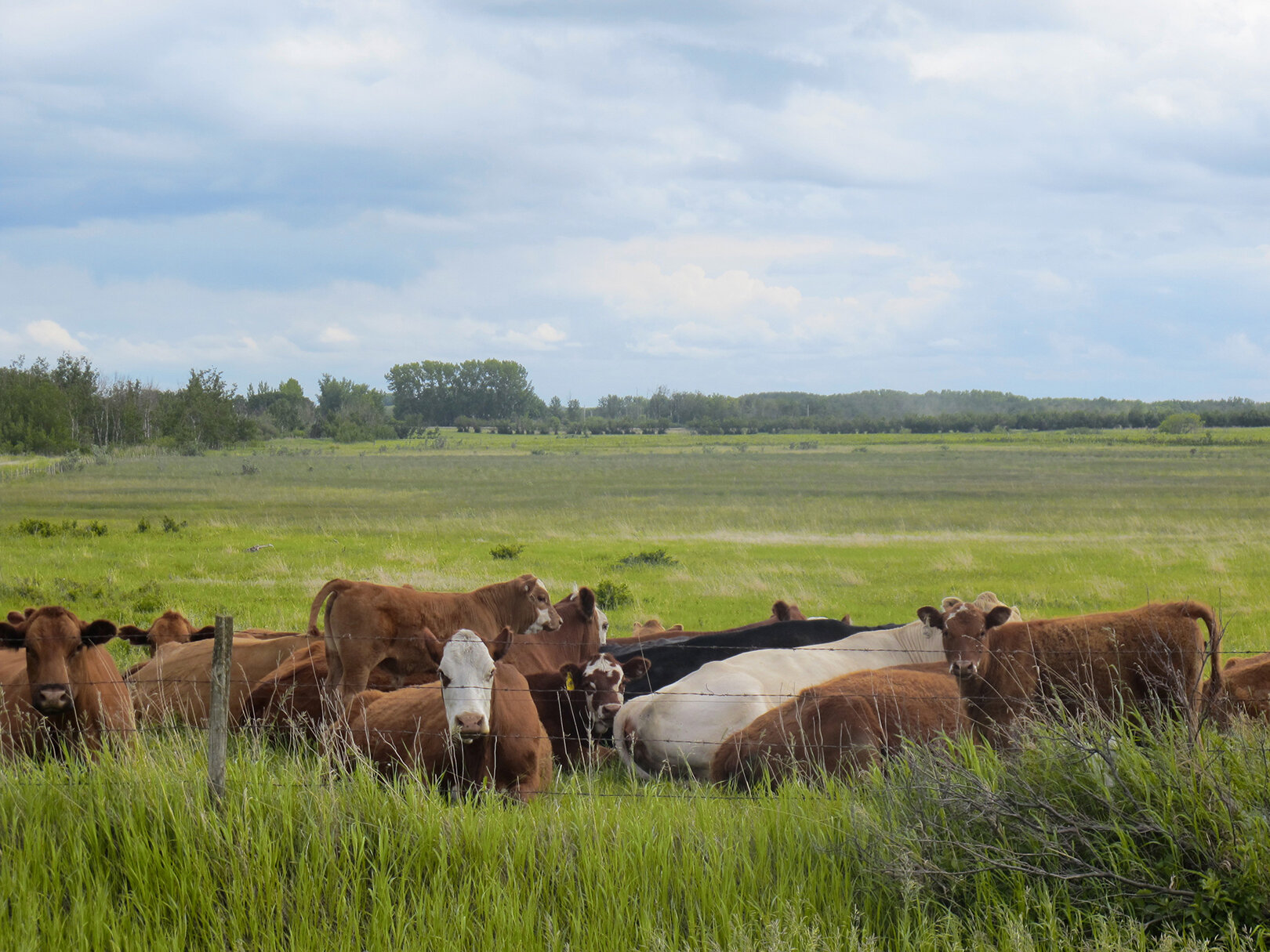
I had a week off and decided to use this time, once again, to explore the tapestry of grid roads within central Saskatchewan. I discovered some hidden gems, met a lot of cows and indulged in some delicious homemade butter tarts.

Clarkboro Ferry Crossing, Saskatchewan (©2021 Deborah Clague).

Clarkboro Ferry Crossing, Saskatchewan (©2021 Deborah Clague).

Curiosity on a lonely grid road, Saskatchewan (©2021 Deborah Clague)

Curiosity on a lonely grid road, Saskatchewan (©2021 Deborah Clague)

Former Ukrainian Catholic Ascension Church, Saskatchewan (©2021 Deborah Clague).
Former Ukrainian Catholic Ascension Church, Saskatchewan (©2021 Deborah Clague).

Relaxing on a lonely grid road, Saskatchewan (©2021 Deborah Clague).

Relaxing on a lonely grid road, Saskatchewan (©2021 Deborah Clague).

Grain tower at Blaine Lake, Saskatchewan (©2021 Deborah Clague).
Grain tower at Blaine Lake, Saskatchewan (©2021 Deborah Clague).

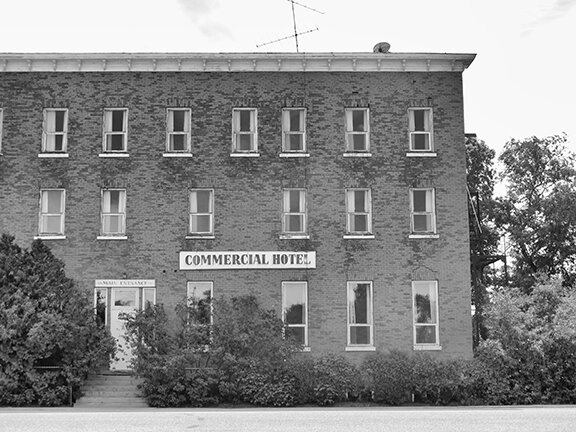
Commercial Hotel, Blaine Lake, Saskatchewan (©2021 Deborah Clague).

Commercial Hotel, Blaine Lake, Saskatchewan (©2021 Deborah Clague).

Decisions, decisions, Saskatchewan (©2021 Deborah Clague).
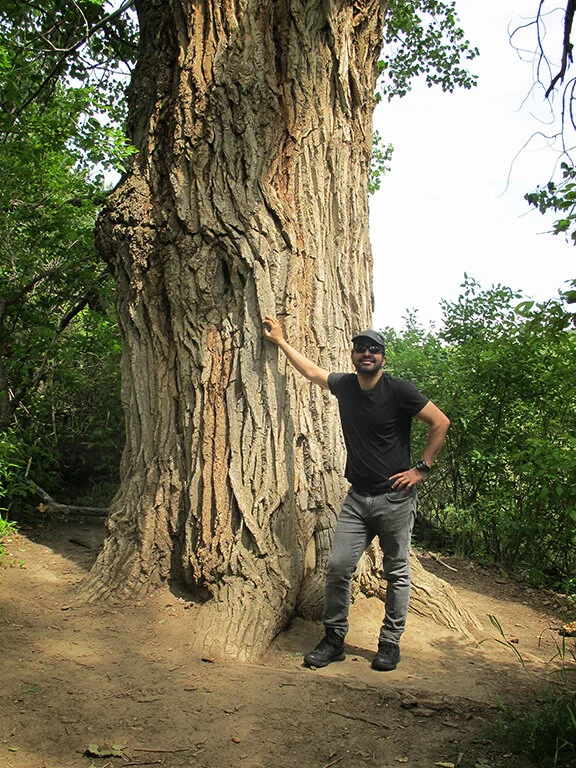
Decisions, decisions, Saskatchewan (©2021 Deborah Clague).

The largest tree in Saskatchewan (©2021 Deborah Clague).

The largest tree in Saskatchewan (©2021 Deborah Clague).

In the shadow of a giant, the largest tree in Saskatchewan (©2021 Deborah Clague).

In the shadow of a giant, the largest tree in Saskatchewan (©2021 Deborah Clague).
Out of the House, Into the Woods

Feeling a bit more protected after our first dose of Pfizer, we spent a long weekend at Prince Albert National Park exploring the trails, forest bathing, bird (and bear!) watching, and relaxing in a beautiful cabin at Elk Ridge Resort. More far-flung travel may still be on-hold but I am really looking forward to exploring the land of living skies, Saskatchewan, over the summer.

Hiking in Prince Albert National Park, Saskatchewan (©Deborah Clague, 2021).

Hiking in Prince Albert National Park, Saskatchewan (©Deborah Clague, 2021).

The scenery of Mud Creek trail, Prince Albert National Park, Saskatchewan (©Deborah Clague, 2021).

The scenery of Mud Creek trail, Prince Albert National Park, Saskatchewan (©Deborah Clague, 2021).

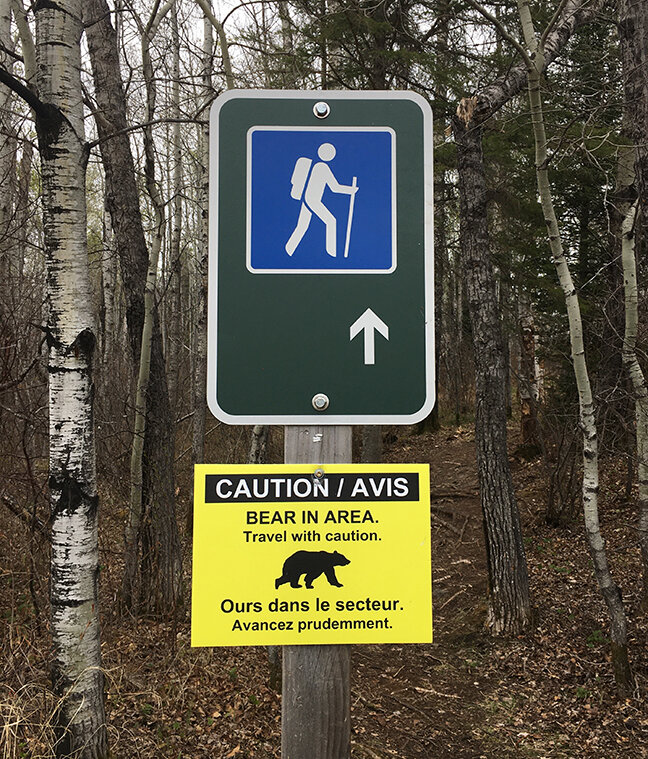
Bear In Area at Mud Creek trail, Prince Albert National Park (©Deborah Clague, 2021).

Bear In Area at Mud Creek trail, Prince Albert National Park (©Deborah Clague, 2021).

Is it? (©Deborah Clague, 2021).

Is it? (©Deborah Clague, 2021).

Yup, that’s a bear. Mud Creek trail, Prince Albert National Park, Saskatchewan (©Deborah Clague, 2021).

Yup, that’s a bear. Mud Creek trail, Prince Albert National Park, Saskatchewan (©Deborah Clague, 2021).

Boating on Waskesiu Lake, Prince Albert National Park, Saskatchewan (©Deborah Clague, 2021).

Boating on Waskesiu Lake, Prince Albert National Park, Saskatchewan (©Deborah Clague, 2021).

Boating on Waskesiu Lake, Prince Albert National Park, Saskatchewan (©Deborah Clague, 2021).

Boating on Waskesiu Lake, Prince Albert National Park, Saskatchewan (©Deborah Clague, 2021).

Boating on Waskesiu Lake, Prince Albert National Park, Saskatchewan (©Deborah Clague, 2021).

Boating on Waskesiu Lake, Prince Albert National Park, Saskatchewan (©Deborah Clague, 2021).

Waskesiu River trail, Prince Albert National Park, Saskatchewan (©Deborah Clague, 2021).

Waskesiu River trail, Prince Albert National Park, Saskatchewan (©Deborah Clague, 2021).

The peeling bark of a birch tree, Prince Albert National Park (©Deborah Clague, 2021).

The peeling bark of a birch tree, Prince Albert National Park (©Deborah Clague, 2021).

Out of the house and into the woods of Prince Albert National Park, Saskatchewan (©Deborah Clague, 2021).

Out of the house and into the woods of Prince Albert National Park, Saskatchewan (©Deborah Clague, 2021).

The perfect solitude of Boundary Bog trail, Prince Albert National Park, Saskatchewan (©Deborah Clague, 2021).

The perfect solitude of Boundary Bog trail, Prince Albert National Park, Saskatchewan (©Deborah Clague, 2021).

Feasting on BBQ after a day’s hike at Elkridge Resort, Prince Albert National Park, Saskatchewan (©Deborah Clague, 2021).

Feasting on BBQ after a day’s hike at Elkridge Resort, Prince Albert National Park, Saskatchewan (©Deborah Clague, 2021).

Prince Albert National Park, Saskatchewan (©Deborah Clague, 2021).

Prince Albert National Park, Saskatchewan (©Deborah Clague, 2021).

Book Recommendations

When I was in high school, geography and history were two of my favourite subjects. I loved learning about ancient Egyptian culture, Greek mythology, and the social hierarchy of medieval times. It all seemed so rich and epic compared to Canada; despite hosting civilizations for thousands of years, our own history appeared limited and primitive. Not much was recorded. At the time I didn’t realize this was by design. One thing we weren’t taught in school was the dark history of Canada as settlers sought to eradicate and assimilate Indigenous people. I graduated in 1998. This information has been selectively hidden for generations.

It has only been in the past decade that the realities—and ongoing trauma—of what occurred has come to light for me. My employer makes every effort towards building this knowledge and understanding amongst staff. The education and immersion has been immensely valuable as I reflect upon the place I call home. It has also been a starting point for me to actively learn and do more towards reconciliation.

Just this week, the remains of 215 children were discovered in an unmarked grave at a former Residential School in Kamloops, British Columbia. The news is disturbing and a further tangible document of our nation’s shameful past. We should all learn from this.

If you are interested in reading more about Canada’s dark history, and ways you can start your own path to understanding and reconciliation, I recommend the following books as a starting point:

BookRecs_May2021.jpg

The Inconvenient Indian
Written by Thomas King

This book was the recipient of the 2014 RBC Taylor Prize, which awards outstanding literary works of non-fiction. It is a powerful, personal account of Indigenous and White settler relations, written in an engaging (and sometimes humorous) way that makes very uncomfortable truths more accessible to a mass audience. I feel this work should be required reading for all Canadians.

Favourite line: “Native history in North America as writ has never really been about Native people. It’s been about Whites and their needs and desires. What Native peoples wanted has never been a vital concern, has never been a political or social priority.”


21 Things You May Not Know About the Indian Act
Written by Bob Joseph

The Indian Act is a Canadian Act of Parliament that concerns registered Indians, their bands, and the system of Indian Reserves (basically a manner in which settlers govern over the Indigenous population). It defines how a person can live. It defines how a person can be recognized. This book—an excellent companion piece to reading “An Inconvenient Indian”—reflects on how it shaped and degraded cultures and independent nations that should otherwise be granted autonomy.

Favourite line: “The Indian Act disrespected, ignored, and undermined the role of women in many ways. This dissolution of women’s stature, coupled with the abuses of the residential school system, has been a significant contributor to the vulnerability of Indigenous women.”

On the Grid

Some scenes from a lazy afternoon spent exploring the grid roads of Saskatchewan:

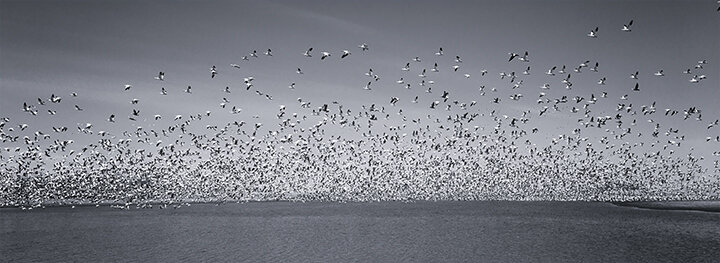
Hundreds, perhaps thousands, of migratory snow geese take flight from a pond located adjacent to a grid road in rural Saskatchewan (©Deborah Clague, 2021).

Hundreds, perhaps thousands, of migratory snow geese take flight from a pond located adjacent to a grid road in rural Saskatchewan (©Deborah Clague, 2021).

Snow geese take off in flight after our car disturbed their peace (©Deborah Clague, 2021).

Snow geese take off in flight after our car disturbed their peace (©Deborah Clague, 2021).

Snow geese in flight (©Deborah Clague, 2021).

Snow geese in flight (©Deborah Clague, 2021).

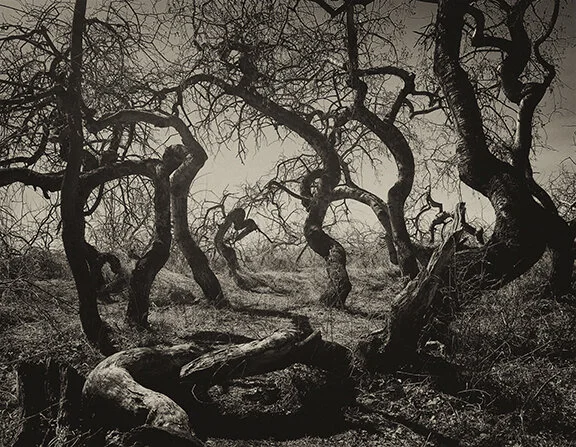
Crooked Trees (©Deborah Clague, 2021).

Crooked Trees (©Deborah Clague, 2021).

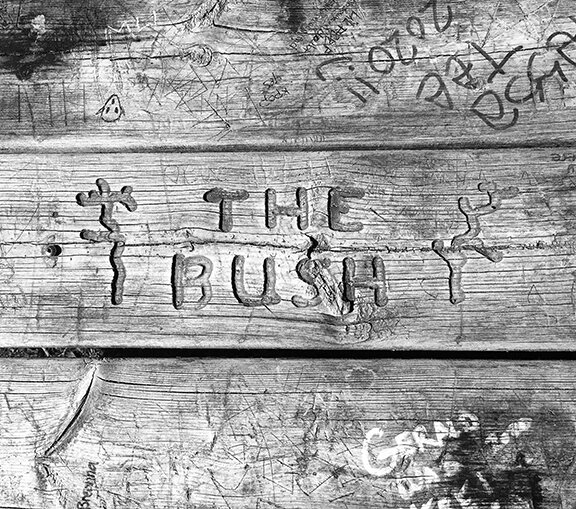
Welcome to the Crooked Bush from Friends of the Crooked Bush (©Deborah Clague, 2021).

Welcome to the Crooked Bush from Friends of the Crooked Bush (©Deborah Clague, 2021).

Like a scene from a fairy tale, the Crooked Trees of Saskatchewan (©Deborah Clague, 2021).

Like a scene from a fairy tale, the Crooked Trees of Saskatchewan (©Deborah Clague, 2021).

Deborah was here – The Crooked Trees, Saskatchewan (©2021, Deborah Clague).
Deborah was here – The Crooked Trees, Saskatchewan (©2021, Deborah Clague).
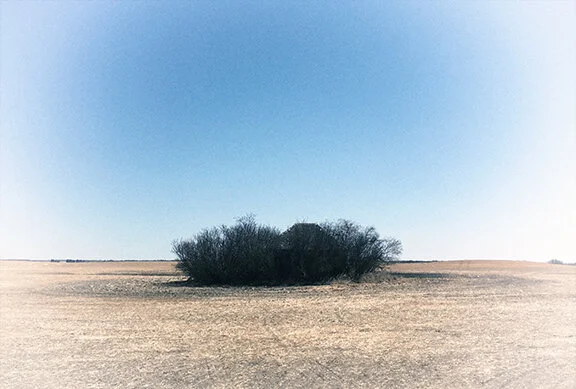
In the bush – an abandoned house consumed by trees, rural Saskatchewan (©Deborah Clague, 2021).

In the bush – an abandoned house consumed by trees, rural Saskatchewan (©Deborah Clague, 2021).

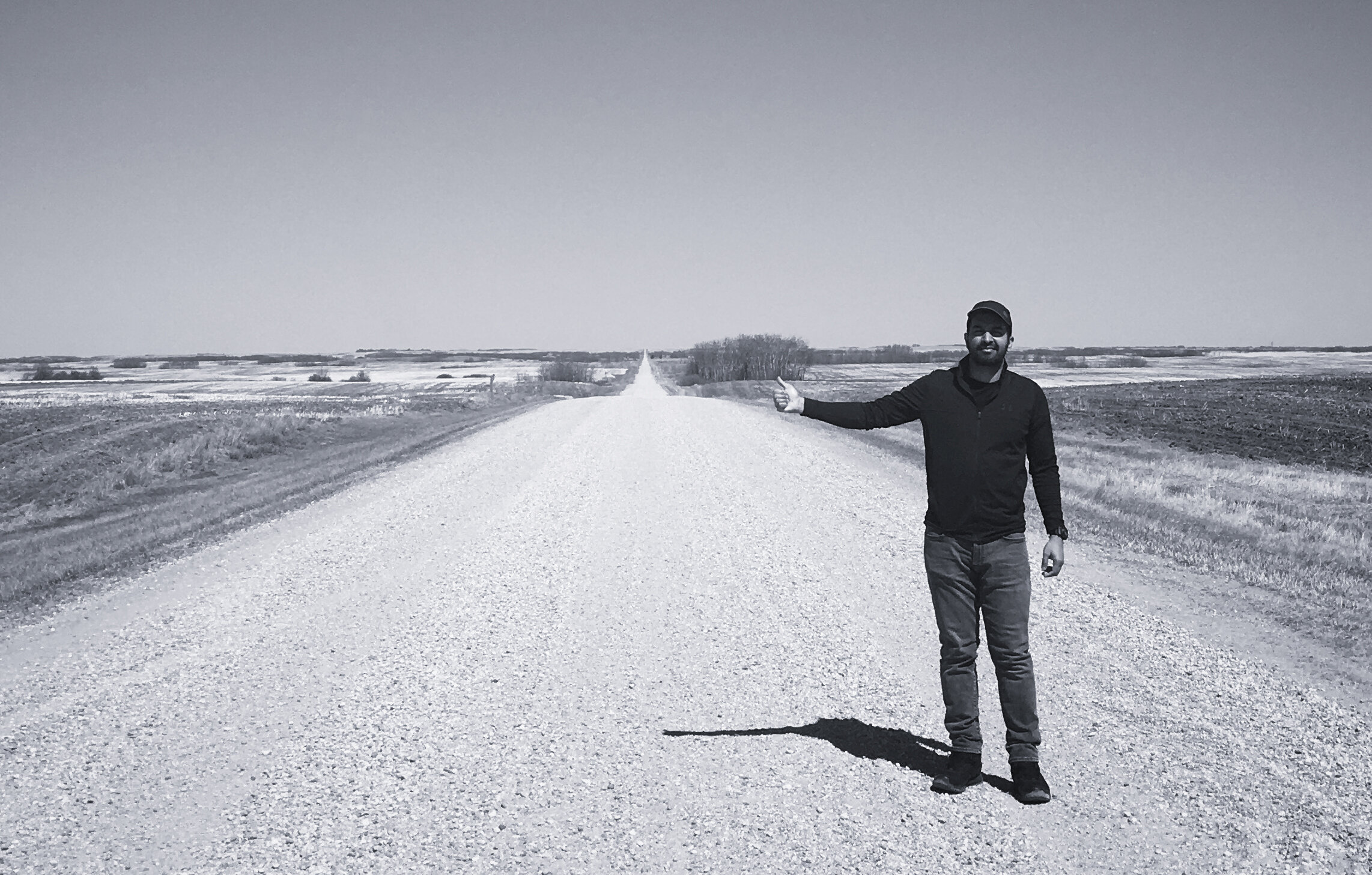
Hitchin’ a ride (©Deborah Clague, 2021).

Hitchin’ a ride (©Deborah Clague, 2021).

Main Street, Hafford, Saskatchewan (©Deborah Clague, 2021).

Main Street, Hafford, Saskatchewan (©Deborah Clague, 2021).

7 Star Restaurant, Hafford, Saskatchewan (©Deborah Clague, 2021).

7 Star Restaurant, Hafford, Saskatchewan (©Deborah Clague, 2021).

Where the buffalo roam (©Deborah Clague, 2021).

Where the buffalo roam (©Deborah Clague, 2021).

Third Wave

The third wave in Canada is relentless. Where I live, the stories break my heart; I know that all of the other provinces, territories and Treaties have their own tragedies I haven’t heard. And probably never will, because it is all so overwhelming. The world is heavy right now.

I read one journalist’s article on how “the dead don’t feel dead, they feel disappeared” and it made me think about how one day we will look back on this and be horrified by what we lived through. How death—something western culture shields itself from—could not be escaped, for it became omnipresent. The nightly death counts on the news are strange enough; now, with India being devastated by COVID-19, we are updated with even more morbid visuals. Comprehending abstract numbers is one thing; actually seeing bodies piled in row upon row of pyres all alight is quite another.

As is putting a face to a statistic.

These are a few of the local stories that gave me pause this week. They are all from my area. Their stories deserve to be heard. The survivors need to be supported.

32-year-old father of two dies from COVID-19 eight days after being diagnosed. A GoFundMe is raising money for the children’s education.

Father dies of COVID-19 days after couple’s third child born. His wife has also tested positive and remains in hospital. A GoFundMe is raising money to support the family.

Well-known local chef loses his battle to COVID-19, leaving behind a wife and two children. A GoFundMe is raising money to support the family.

Siblings lose both parents to COVID-19 within months of each other. A GoFundMe is raising money to support the family.

Beloved teacher loses his battle to COVID-19. A GoFundMe is raising money to start a scholarship for Indigenous students in his name.

365

It’s been just over a year since the pandemic was officially announced. The last three hundred sixty five days have been a rollercoaster of panic, worry, depression, anxiety, boredom, solitude, hope … and now with misguided (or non-existent) lockdown procedures and a terribly mismanaged roll-out of vaccines in Canada combined with an increase of deadly variants of COVID-19, the cycle has started anew.

I still consider myself a lucky one; I’ve been working at home for the entirety of the past year, converting a sunroom with a westward view that I once used as a reading area into a cozy 9 to 5 space with lots of natural light. My active social circle has decreased to only one—my partner—but remains a source of elation. Being around someone 24/7 through sickness and in health, Doritos stress-binging and green smoothie regret, can lead to issues—and I predict an increase in divorce in the aftermath of the pandemic—but our companionship has been nothing but enriching. I haven’t tired of the conversation or silences in between.

I also don’t venture out much. With this newfound expansive pool of free time, I daydream, I read and I catch up on a long streaming list that I’m behind pop-culturally. I’m a natural introvert, so this hasn’t been hard. In some ways, this pause on life has been beneficial. But that statement is not universal; I have not lost someone. I have not been sick and am not experiencing long-term health issues as a result of it. I have not been economically devastated. I have not been undervalued for my contributions to society by being labelled “essential” and sent to the frontlines with no recognition beyond pacifying words. While this event has been a monumental provocation to our collective mental health, wellbeing and structure of community, it has also been a time to step back and reframe perspective. Things cannot - and should not - remain the same moving forward.

It is my hope that the blinding glow of unsatiated capitalism is dimmed through realization of the importance of community and a renewed respect for nature, and how having those work together in concert is the only way to navigate our current global crises. It is my hope that your family (by birth or by choice) has all of the supports they need to live a life safely unencumbered by the whims of those who choose chaos. I also hope we eventually understand that we make the world a little bit better (or worse) through our actions, however minimal.

It’s been my observation throughout life that people don’t like change, no matter what they say when there’s a colleague from HR in the room. The majority do not like altering their comfortable, familiar behaviours unless there is an immediate reward that they deem worthwhile. We’re at a crux in the pandemic where I still encounter those living in their own self-centred world of delusion including one in my own building that takes down mask signage and vandalizes supplied sanitizer, as well as politicians that could really make an impact on the disease with shorter, more restrictive lockdowns while providing business supports but choose instead to bury their heads in the sand at all costs. Including human life. How do you influence those that don’t see the forest for the trees? What type of reward works for them? Is it even worth considering?

I’m not sure on all the solutions. But I do have all the time in the world to contemplate them.

Winter City

I’m a four-season girl. I’ve grown up in a climate that had four distinct seasons and I definitely appreciate each of them, including winter. A recent polar vortex caused temperatures where I live to dip below -42 degrees Celsius (-55 degrees Celsius with the windchill!), so when it warmed up to a relatively “balmy” -14 (-24), we decided to take the opportunity to get some fresh air, go for a hike and explore life beyond the walls we’ve been surrounded by as a result of the pandemic.

Wanuskewin has been a gathering place for nomadic tribes for over six thousand years. Today, it is a designated heritage park showcasing Indigenous art and culture, as well as an active archaeological site providing context and connection to our history from present day Treaty 6 territory in Saskatchewan, Canada. It also offers a museum, restaurant featuring Indigenous cuisine, and numerous hiking trails to explore the Northern Plains.

Peripheral People

It is not natural for me to be this sedentary. The innate desire to wander and explore comes as natural to me as my sensitivity towards animals or my predisposition to foods heavily flavoured with garlic. But here I am, on my couch—the very same couch that I’ve been sitting on for nearly a year reading, writing, watching Netflix—and while I’m bored, it’s become the new normal of my life. The sun rises. The sun sets. My only escape is through a screen.

Another aspect of “the good ol’ days” I’ve recently come to miss are the peripheral people who’ve been in my life. People that I’ve never formally met or held conversation with but who played as background actors in the scenes of my day. There is the Somali man, slight in stature, who stood on the corner of my block each morning enjoying a cigarette while observing traffic through eyeglasses perched half-way down his nose. He’s performed this daybreak ritual for years. We’d occasionally nod our heads at each other in recognition of being neighbours of sorts but I don’t know his story and he doesn’t know mine.

There were the people employed at a coffee shop across the street from my office who crafted one of my favourite sandwiches (saskatoon berry-turkey with arugula and brie on toasted ancient grains). Within the past year, it has sadly shut its doors. I never got to know their names. Besides being a familiar face, they never got to know mine.

The time I’d walk up to the entrance of my condo at the end of each workday would occasionally be mirrored in commute from the opposite direction by a bearded man who lives on another floor in the building. We would make convivial small talk while checking our mailboxes. I learned he worked at the nearby hospital. He would learn that I was involved in the arts. But it was just a slight connection. Enough for acquaintance but not enough for anything more meaningful outside the confines of an elevator. I never learned his name. He never learned mine. I haven’t seen him in over a year.

While I lament their absence, these characters have been recast for the current season.

Most people in my building now work from home and while I have not met a lot of them, I do get a sense of their day through the sound filtering from the hallways and above. One of my neighbours plays an instrument. I can hear the muffled output from their amp every morning around eleven a.m.. They also have a small dog. I’ve never seen it and wouldn’t be able to identity breed but can hear the faint pitter-patter of its paws walking across the laminate floor. There’s a family at the other end of the hallway that moved in just before the start of the pandemic. Their child, perhaps feeling bored and caged, spends most of the day screaming in frustration at the top of her lungs. Her parents—and their immediate neighbours—are often in my thoughts. And then there’s the contractors I occasionally pass. I wouldn’t be able to recognize their faces but I do remember their masks.

As the pandemic forces us into a second year of distance and isolation, I’m starting to feel sadness at the loss of the seemingly unmemorable interactions I had with strangers in the past. Their presence was familiar where nothing in this current world is. They offered a form of stability to my days and I genuinely miss them … even though I didn’t know them.