Cleaning Out the Closet

When I visit home, my childhood home, I sleep in a room with wood-panelled walls and a window facing East. The floors are cool as it’s in the basement. The bed frame is old with new mismatched sheets. A dresser and closet contain artifacts from another time. A time when my father was alive.

It’s been seven years since my father received news that he needed to get his affairs in order as he had mere months to live. And then he was gone. Throughout that short period, my life felt like living in the eye of a hurricane. There was a million things to do. A million things to say. A million tears to cry. It is only recently that I’ve been truly reflecting on his life, impact and legacy. I’m sure the pandemic played a role in this pause.

In those seven years, his possessions remained untouched. Pairs of eyeglasses rest in cases placed on the dresser. Socks and belts are rolled up in the drawers. The closet is filled with XL-sized sweatshirts and the garish Hawaiian shirts he loved to wear. There are even old pairs of shoes. It never crossed my mind to get rid of these items because preserving them meant a part of him was still present. I didn’t want to lose that, nor lose the memories these inanimate objects held. But seven years is a long time. I struggled with the decision to clean and donate what could be salvaged but finally decided it was time.

Filling several bags with his clothes, I sorted between clear refuse and something that someone might need. There was a leather jacket that appeared good as new. A retro bowling shirt from one of his favourite television shows, Corner Gas, that a collector might have interest in. And, of course, all those Hawaiian shirts (Halloween is just around the corner)! I searched pockets for hidden treasure while taking in the moment. I was officially letting go. I felt sadness but also a sense of calm. There’s more to our being than the material possessions we leave behind. Love is the true legacy of a life well lived.

My bedroom at my childhood home is now filled with different signs of life, such as Monty’s squeaky toys and books that I dip into before slumber.

I kept one item after cleaning out the closet. Something that I rarely saw my father without. A hat always covered his head and while I sorted through his collection containing the emblems of a variety of random companies and sports teams, I decided to keep the one most well-worn of all — a Saskatchewan Roughriders cap that he bought, and proudly wore, after I moved to the province.

Wearing the one item I kept, my dad’s well-worn Saskatchewan Roughriders cap (©2021, Deborah Clague).

Wearing the one item I kept, my dad’s well-worn Saskatchewan Roughriders cap (©2021, Deborah Clague).

Philly Melt, The Nob

I never really thought of myself as a sandwich person. Throughout my life, the thing I most associate with bread is peanut butter and maybe raspberry jam as that is what I ate for lunch 95% of the time as a kid. But sandwiches as an adult are worth so much more exploration and, upon reflection, have provided some of the greatest gastronomic delights of my life—honestly, the best thing I ever ate was a cajun chicken sandwich from La Grande Epicerie in Paris that consisted of just three simple ingredients: cajun-seasoned chicken and guacamole on authentic French bread.

There is a sandwich in my hometown that is also worthy of high praise and ranking on my personal “best of” list. The Philly Melt from The Nob in Winnipeg is sheer perfection. Generously portioned roast beef topped with onions and peppers smothered in cheese resting atop a toasted pretzel bun. I’m salivating on my keyboard just typing about it. A visit home is incomplete without eating it at least once.

The Nob itself is a hidden gem in the historic south Winnipeg neighborhood I grew up in. Located on the side of a motor hotel, bar and beer store, the cafe might be unnoticeable to those passing through to the city proper. But eat there once and I guarantee you will return. Everything I’ve had on their menu has been delicious. The Nob is totally worthy of being featured on “You Gotta Eat Here” or “Diners, Drive-Ins and Dives”.

Yes, the name of the restaurant is ridiculous.

Yes, this is one of the first things I ordered when visiting recently.

Yes, I am going to eat the whole damn thing.

Monty eyeing my Philly melt from The Nob, Winnipeg (©2021, Deborah Clague).

Monty eyeing my Philly melt from The Nob, Winnipeg (©2021, Deborah Clague).

It's been 7 long years

It’s been a long time since I visited family.

I wanted to visit at Christmas but couldn’t because of the pandemic.

I wanted to visit on my birthday in early Spring but couldn’t because of the pandemic.

I wanted to visit on my mother’s birthday earlier this summer … but couldn’t because of the pandemic.

So it’s been a long time since I visited family. One year, in fact (or seven long dog years). I missed this guy.

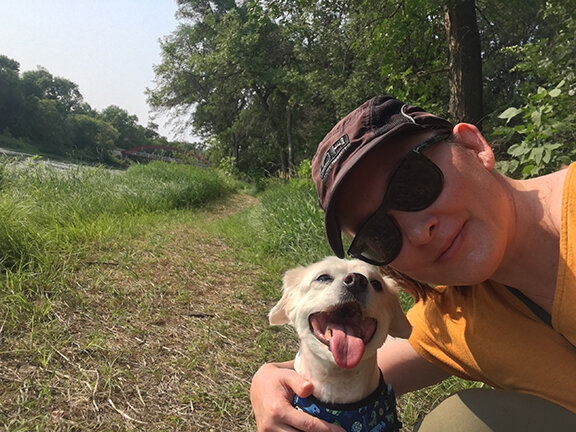
Monty and I at my favourite park (©2021, Deborah Clague).

Monty and I at my favourite park (©2021, Deborah Clague).

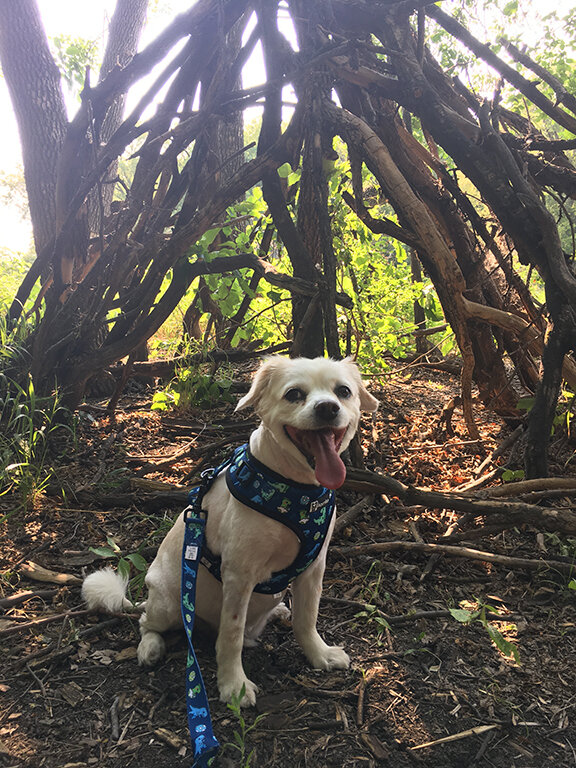
Monty (©2021, Deborah Clague).

Monty (©2021, Deborah Clague).

Hallelujah

I spent today lying in bed or on the couch, staring at the ceiling as that is all the energy I could muster. My television was off. My blackout shades were drawn. I couldn’t handle the slightest of stimuli.

My body is fighting off chills and high fever. One moment, the warmth of a half-dozen blankets can’t keep me warm; the next, I feel like I’ve spent hours in a sauna. Every muscle seems to ache, especially my left bicep which I can’t even raise. My head is pounding. There’s also a weird tingly sensation in my mouth.

I couldn’t be happier though. As of yesterday, Friday, June 25, at 1:43pm, I am fully vaccinated against the COVID-19 virus. The double shot of Pfizer may have taken me out momentarily but it’s also given me a world of opportunity as we start to get our lives back.

SheRa.gif

On the Grid II

I used to spend a lot of time dreaming about where I wanted to be. It was always somewhere other than where I was.

Growing up on the prairies of Western Canada, it was easy to feel this way. The zeitgeist of our national identity seemed to originate from Toronto and Montreal, places where media focused their energy to showcase anything of note happening. In comparison, the prairies were sleepy. Taciturn. A landscape dotted with townships frozen in time—culturally, technologically, literally. I know that’s not true but my own misguided notions of success influenced my longing until recently.

The pandemic, and all the newly discovered free time I have as a result of it, has really underlined how much I enjoy living here. How the panoramic landscape and vibrant living skies speak to my soul. How enriching and supportive the personal and professional connections I’ve made here are. How the most helpful, kind, salt-of-the-earth people reside here. Being stationary is not falling behind; it’s holding presence. The Canadian prairies are where I want to leave my mark.

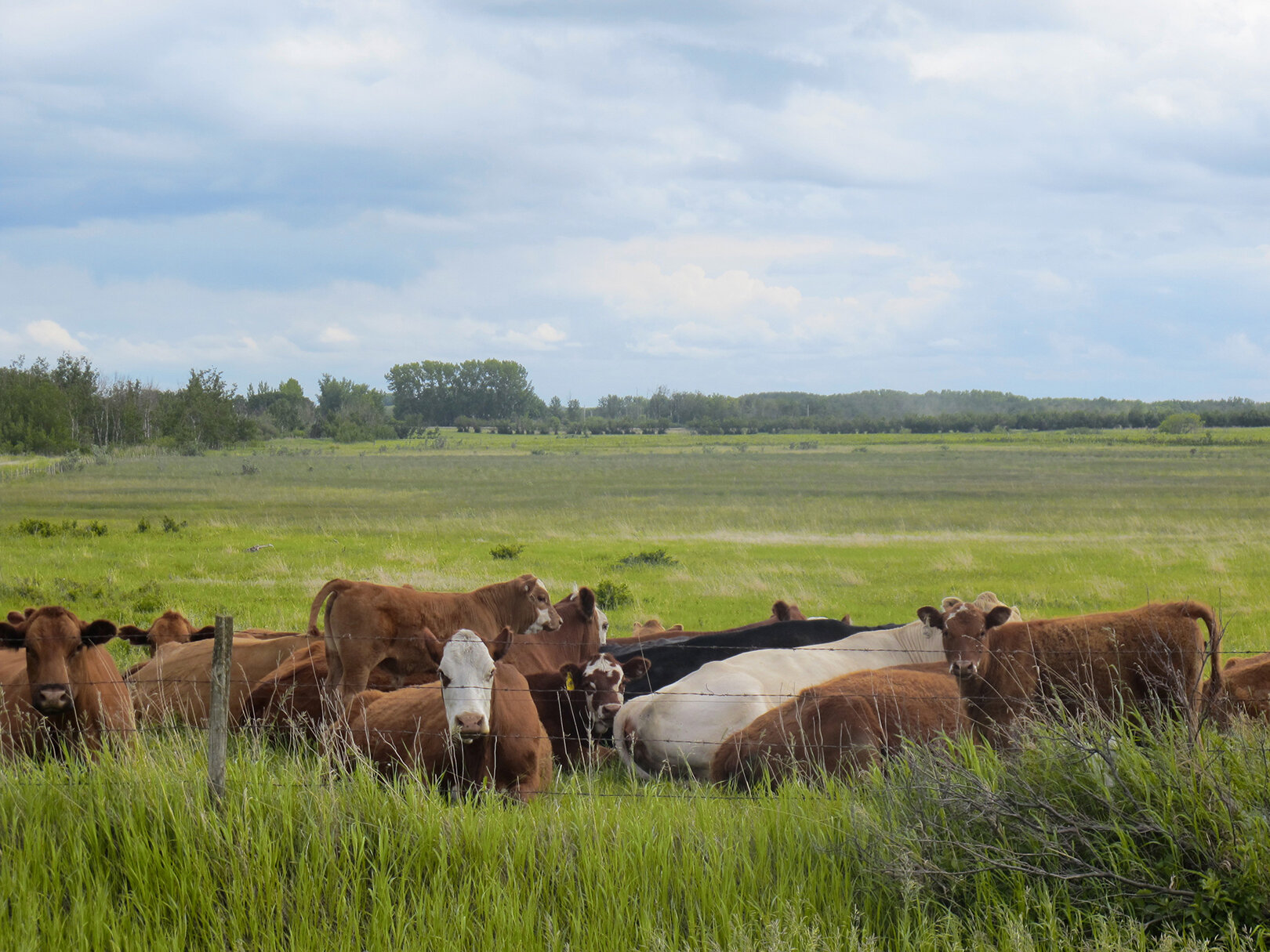
I had a week off and decided to use this time, once again, to explore the tapestry of grid roads within central Saskatchewan. I discovered some hidden gems, met a lot of cows and indulged in some delicious homemade butter tarts.

Clarkboro Ferry Crossing, Saskatchewan (©2021 Deborah Clague).

Clarkboro Ferry Crossing, Saskatchewan (©2021 Deborah Clague).

Curiosity on a lonely grid road, Saskatchewan (©2021 Deborah Clague)

Curiosity on a lonely grid road, Saskatchewan (©2021 Deborah Clague)

Former Ukrainian Catholic Ascension Church, Saskatchewan (©2021 Deborah Clague).

Former Ukrainian Catholic Ascension Church, Saskatchewan (©2021 Deborah Clague).

Relaxing on a lonely grid road, Saskatchewan (©2021 Deborah Clague).

Relaxing on a lonely grid road, Saskatchewan (©2021 Deborah Clague).

Grain tower at Blaine Lake, Saskatchewan (©2021 Deborah Clague).

Grain tower at Blaine Lake, Saskatchewan (©2021 Deborah Clague).

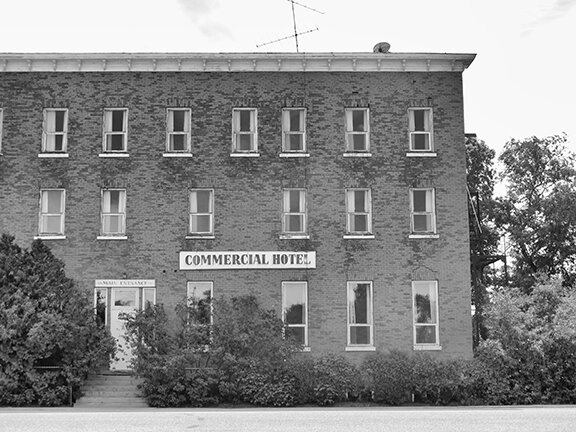
Commercial Hotel, Blaine Lake, Saskatchewan (©2021 Deborah Clague).

Commercial Hotel, Blaine Lake, Saskatchewan (©2021 Deborah Clague).

Decisions, decisions, Saskatchewan (©2021 Deborah Clague).

Decisions, decisions, Saskatchewan (©2021 Deborah Clague).

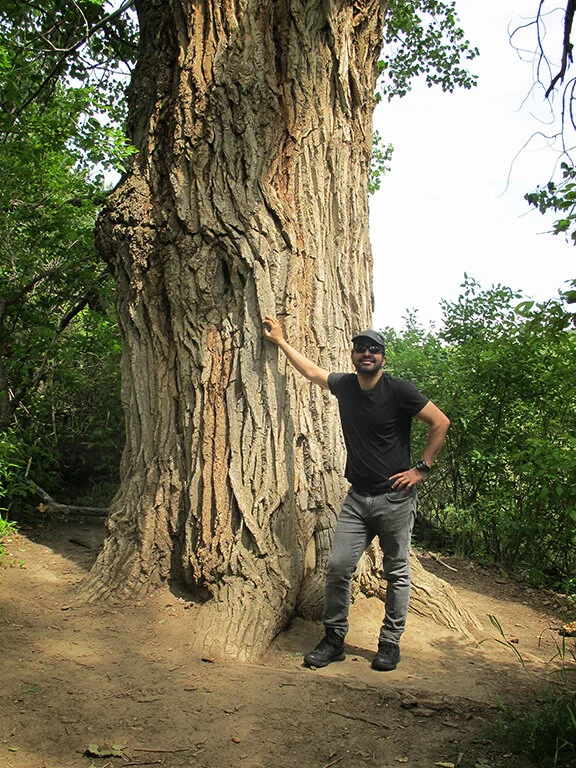
The largest tree in Saskatchewan (©2021 Deborah Clague).

The largest tree in Saskatchewan (©2021 Deborah Clague).

In the shadow of a giant, the largest tree in Saskatchewan (©2021 Deborah Clague).

In the shadow of a giant, the largest tree in Saskatchewan (©2021 Deborah Clague).

Out of the House, Into the Woods

Feeling a bit more protected after our first dose of Pfizer, we spent a long weekend at Prince Albert National Park exploring the trails, forest bathing, bird (and bear!) watching, and relaxing in a beautiful cabin at Elk Ridge Resort. More far-flung travel may still be on-hold but I am really looking forward to exploring the land of living skies, Saskatchewan, over the summer.

Hiking in Prince Albert National Park, Saskatchewan (©Deborah Clague, 2021).

Hiking in Prince Albert National Park, Saskatchewan (©Deborah Clague, 2021).

The scenery of Mud Creek trail, Prince Albert National Park, Saskatchewan (©Deborah Clague, 2021).

The scenery of Mud Creek trail, Prince Albert National Park, Saskatchewan (©Deborah Clague, 2021).

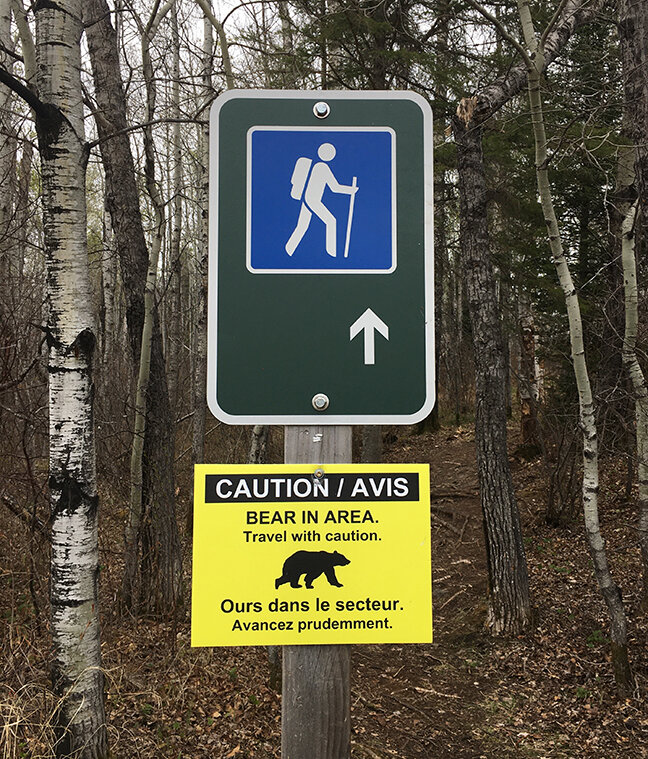
Bear In Area at Mud Creek trail, Prince Albert National Park (©Deborah Clague, 2021).

Bear In Area at Mud Creek trail, Prince Albert National Park (©Deborah Clague, 2021).

Is it? (©Deborah Clague, 2021).

Is it? (©Deborah Clague, 2021).

Yup, that’s a bear. Mud Creek trail, Prince Albert National Park, Saskatchewan (©Deborah Clague, 2021).

Yup, that’s a bear. Mud Creek trail, Prince Albert National Park, Saskatchewan (©Deborah Clague, 2021).

Boating on Waskesiu Lake, Prince Albert National Park, Saskatchewan (©Deborah Clague, 2021).

Boating on Waskesiu Lake, Prince Albert National Park, Saskatchewan (©Deborah Clague, 2021).

Boating on Waskesiu Lake, Prince Albert National Park, Saskatchewan (©Deborah Clague, 2021).

Boating on Waskesiu Lake, Prince Albert National Park, Saskatchewan (©Deborah Clague, 2021).

Boating on Waskesiu Lake, Prince Albert National Park, Saskatchewan (©Deborah Clague, 2021).

Boating on Waskesiu Lake, Prince Albert National Park, Saskatchewan (©Deborah Clague, 2021).

Waskesiu River trail, Prince Albert National Park, Saskatchewan (©Deborah Clague, 2021).

Waskesiu River trail, Prince Albert National Park, Saskatchewan (©Deborah Clague, 2021).

The peeling bark of a birch tree, Prince Albert National Park (©Deborah Clague, 2021).

The peeling bark of a birch tree, Prince Albert National Park (©Deborah Clague, 2021).

Out of the house and into the woods of Prince Albert National Park, Saskatchewan (©Deborah Clague, 2021).

Out of the house and into the woods of Prince Albert National Park, Saskatchewan (©Deborah Clague, 2021).

The perfect solitude of Boundary Bog trail, Prince Albert National Park, Saskatchewan (©Deborah Clague, 2021).

The perfect solitude of Boundary Bog trail, Prince Albert National Park, Saskatchewan (©Deborah Clague, 2021).

Feasting on BBQ after a day’s hike at Elkridge Resort, Prince Albert National Park, Saskatchewan (©Deborah Clague, 2021).

Feasting on BBQ after a day’s hike at Elkridge Resort, Prince Albert National Park, Saskatchewan (©Deborah Clague, 2021).

Prince Albert National Park, Saskatchewan (©Deborah Clague, 2021).

Prince Albert National Park, Saskatchewan (©Deborah Clague, 2021).

Book Recommendations

When I was in high school, geography and history were two of my favourite subjects. I loved learning about ancient Egyptian culture, Greek mythology, and the social hierarchy of medieval times. It all seemed so rich and epic compared to Canada; despite hosting civilizations for thousands of years, our own history appeared limited and primitive. Not much was recorded. At the time I didn’t realize this was by design. One thing we weren’t taught in school was the dark history of Canada as settlers sought to eradicate and assimilate Indigenous people. I graduated in 1998. This information has been selectively hidden for generations.

It has only been in the past decade that the realities—and ongoing trauma—of what occurred has come to light for me. My employer makes every effort towards building this knowledge and understanding amongst staff. The education and immersion has been immensely valuable as I reflect upon the place I call home. It has also been a starting point for me to actively learn and do more towards reconciliation.

Just this week, the remains of 215 children were discovered in an unmarked grave at a former Residential School in Kamloops, British Columbia. The news is disturbing and a further tangible document of our nation’s shameful past. We should all learn from this.

If you are interested in reading more about Canada’s dark history, and ways you can start your own path to understanding and reconciliation, I recommend the following books as a starting point:

BookRecs_May2021.jpg

The Inconvenient Indian
Written by Thomas King

This book was the recipient of the 2014 RBC Taylor Prize, which awards outstanding literary works of non-fiction. It is a powerful, personal account of Indigenous and White settler relations, written in an engaging (and sometimes humorous) way that makes very uncomfortable truths more accessible to a mass audience. I feel this work should be required reading for all Canadians.

Favourite line: “Native history in North America as writ has never really been about Native people. It’s been about Whites and their needs and desires. What Native peoples wanted has never been a vital concern, has never been a political or social priority.”


21 Things You May Not Know About the Indian Act
Written by Bob Joseph

The Indian Act is a Canadian Act of Parliament that concerns registered Indians, their bands, and the system of Indian Reserves (basically a manner in which settlers govern over the Indigenous population). It defines how a person can live. It defines how a person can be recognized. This book—an excellent companion piece to reading “An Inconvenient Indian”—reflects on how it shaped and degraded cultures and independent nations that should otherwise be granted autonomy.

Favourite line: “The Indian Act disrespected, ignored, and undermined the role of women in many ways. This dissolution of women’s stature, coupled with the abuses of the residential school system, has been a significant contributor to the vulnerability of Indigenous women.”